
Choose a line or destination below. Each guide brings together the places, background and practical questions for that journey. Every one of them links the operator instead of quoting a fare, because fares change and a stale price doesn't help anyone. Check current operating dates and booking details with the railway before travelling.
Which journey suits which day
For scenery on an ordinary timetable, take the Settle to Carlisle line: it is part of the national network, so a normal ticket covers it and trains run all year. For steam, the heritage railways are the answer, and each has its own character. The Severn Valley follows a river through Worcestershire and Shropshire, the North Yorkshire Moors climbs over open moorland, the Bluebell runs through Sussex woodland, and the Watercress Line works hard up the Hampshire gradients. For one famous view, the Jacobite crosses the Glenfinnan viaduct on its way to the west coast, and on Yr Wyddfa the mountain railway climbs to the summit itself. Beyond those, there are lines for most tastes. In Wales, the Ffestiniog and Welsh Highland run narrow gauge from Porthmadog, the Talyllyn climbs from Tywyn, and the Llangollen follows the Dee. In England, the Keighley and Worth Valley is the Railway Children line, the Great Central runs double track out of Loughborough, the Swanage passes under Corfe Castle and the Gloucestershire Warwickshire runs from Cheltenham Race Course towards Broadway, and the Isle of Wight Steam Railway runs on part of the old Ryde to Newport line. In Scotland, the Strathspey runs out of Aviemore towards the Cairngorms.
Planning around the camera
Most of these lines run a published timetable for part of the year and special trains around the holidays, and dates move from season to season, so each guide links the operator for current days. Light matters more than the date. Early and late trains give the low sun that makes a locomotive look solid, winter gives the clearest steam, and a lineside spot a short walk from a station usually beats the platform. Each guide ends with what tends to make the photograph from that line, and how large that kind of picture can sensibly go on a wall.

From the day out to the wall
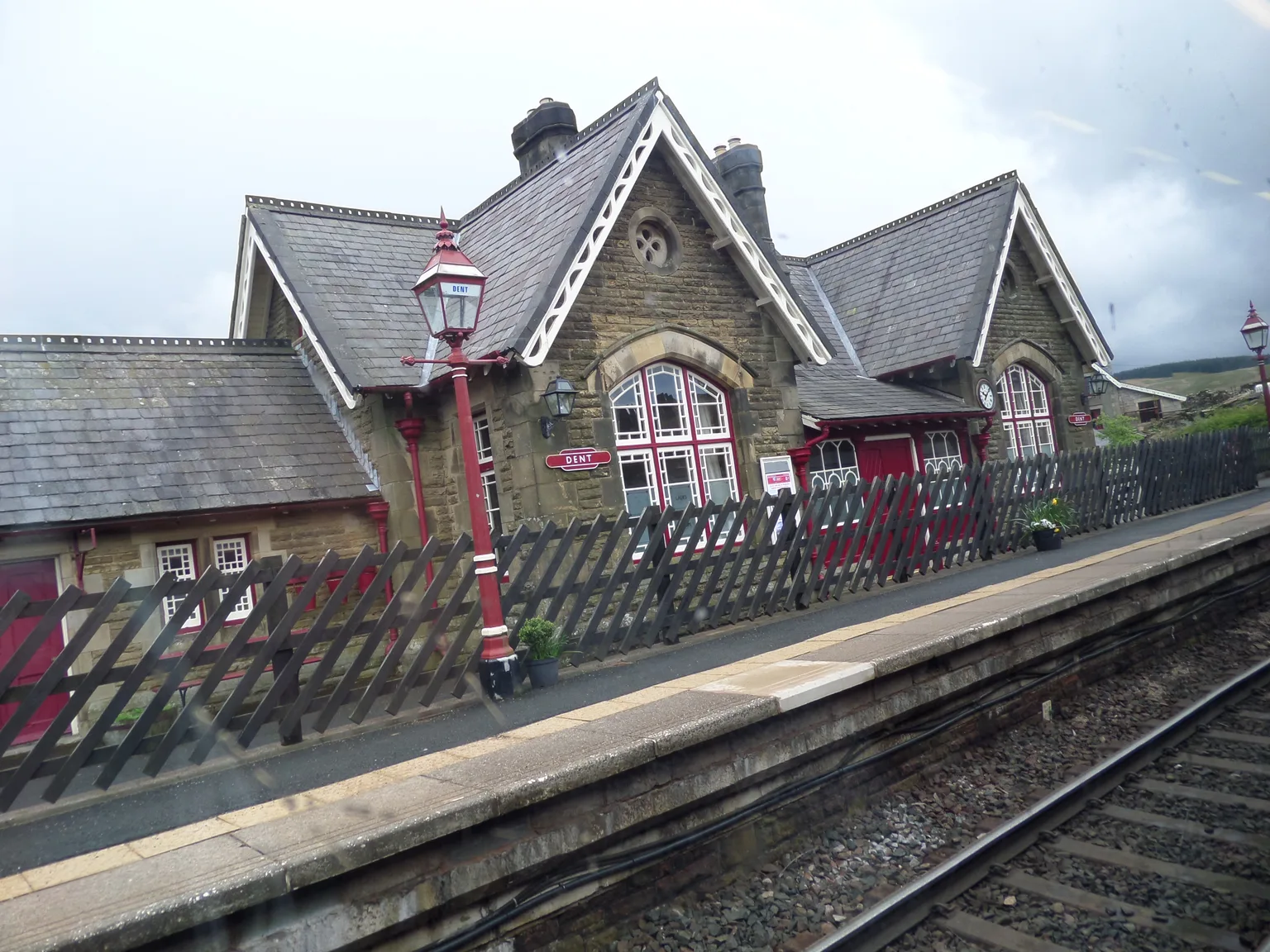
A journey is where most good railway photographs start, which is why this stage comes first on the path. The pictures people return to are seldom the famous viewpoint everyone else stood at. They are the station building at the top of the climb, the train small against the fell, or a relative leaning out of a window. Take more than you think you need and keep the original files: the later stages help you choose which one to print and how large it can go.
On a heritage line, ask at the booking office which side of the train faces the view; staff are generally glad to say. And a phone held close to the carriage window, lens almost touching the glass, avoids most reflections.
The reading, in order
Read the 26 pages in this order, since each one builds on the page before it: Polar Express train rides UK, The Jacobite and Glenfinnan, The Settle to Carlisle line, The Severn Valley Railway, Pickering to Whitby, The Bluebell Railway, Bishops Lydeard to Minehead, The Watercress Line, Snowdon, Llanberis to the summit, The Worth Valley, Keighley to Oxenhope, The Ffestiniog and Welsh Highland, The Great Central, double-track steam, Cheltenham to Broadway, Swanage and Corfe Castle, The Dee valley, Llangollen to Corwen, Aviemore to Broomhill, The Isle of Wight Steam Railway, The Talyllyn, Tywyn to Nant Gwernol, The Glenfinnan Viaduct, The Ribblehead Viaduct, Flying Scotsman, the locomotive, Santa trains, 2026, Hythe to Dungeness, 15in gauge, Heywood, Bury and Rawtenstall, Aberystwyth to Devil’s Bridge, and Pant to Torpantau.
And after that
The poster comes next. Six guides to the railway poster. From booking hall to museum drawer.