The route and the rack
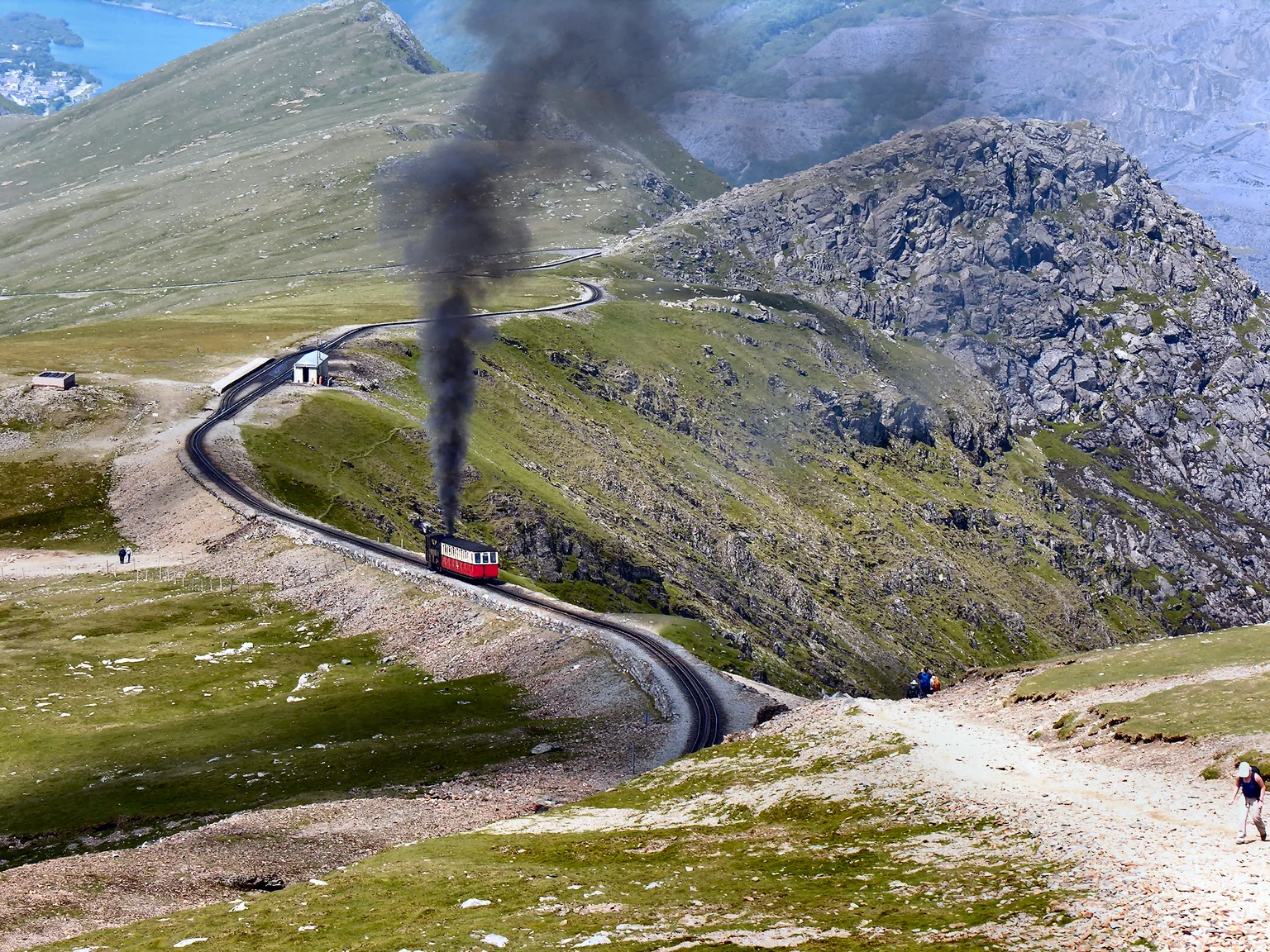
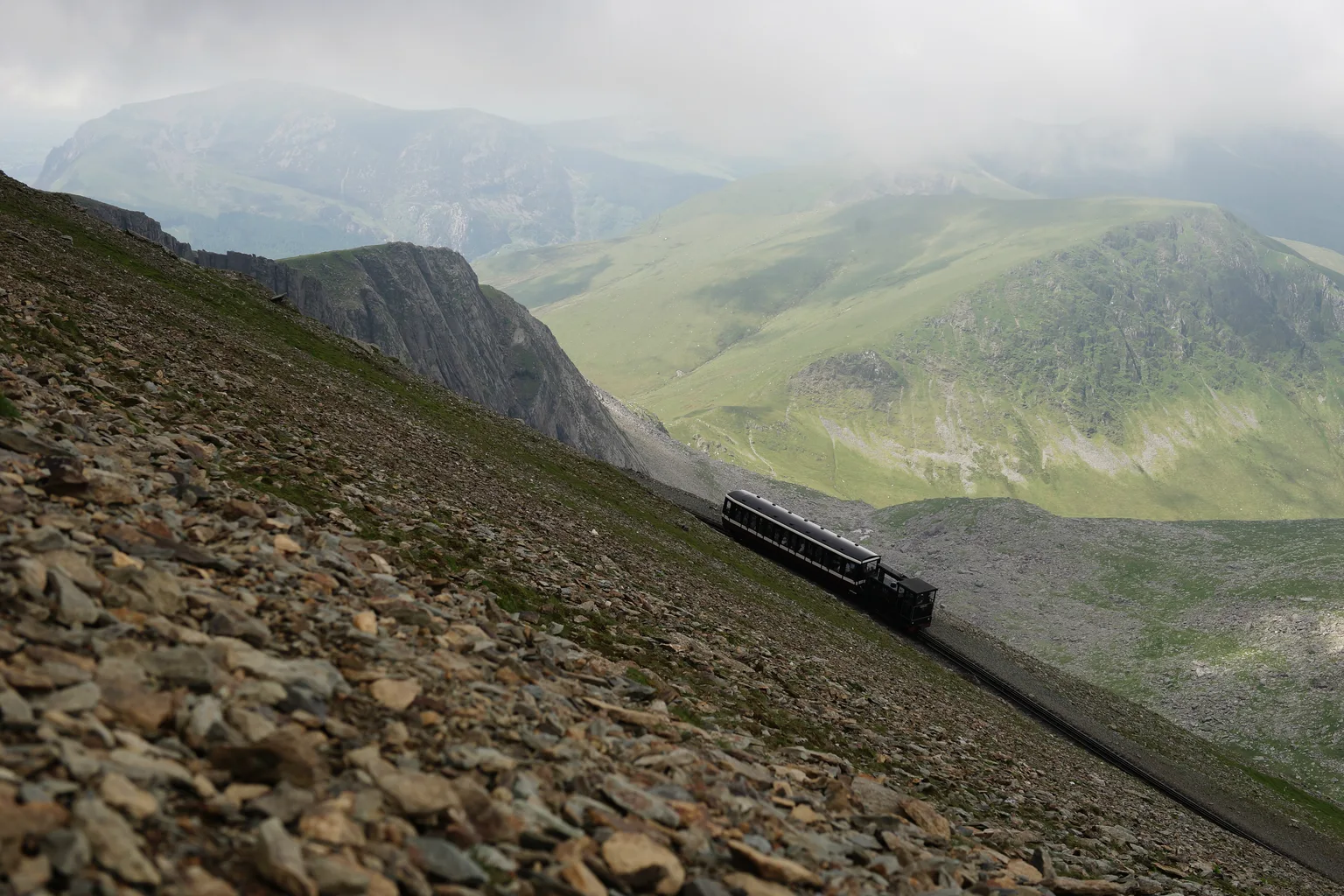
“The total track length is 4.7 miles (7.53 km) with a steepest gradient of 1 in 5.5”, on a gauge of 800mm (Snowdon Mountain Railway, read 21 October 2026). Each locomotive drives through “a pair of toothed racks offset by one tooth” laid between the rails, which makes this “the only public rack and pinion railway in the United Kingdom” (same page). The train stops on the way at Hebron, Halfway, where the steam engines refill their water tanks, and Clogwyn (the experience page).
Built in fourteen months
Work began in December 1894, “when the first sod was cut by Enid Assheton-Smith”, and was finished in February 1896, at a cost of £63,800 (railway history, read 21 October 2026). The company bought “five Swiss steam locomotives” for the opening, and the steam fleet today is still “three coal-fired steam locomotives manufactured by the Swiss Locomotive & Manufacturing Co.” (trains page). Between 1986 and 1992 four British-built diesels joined them.
Steam or diesel
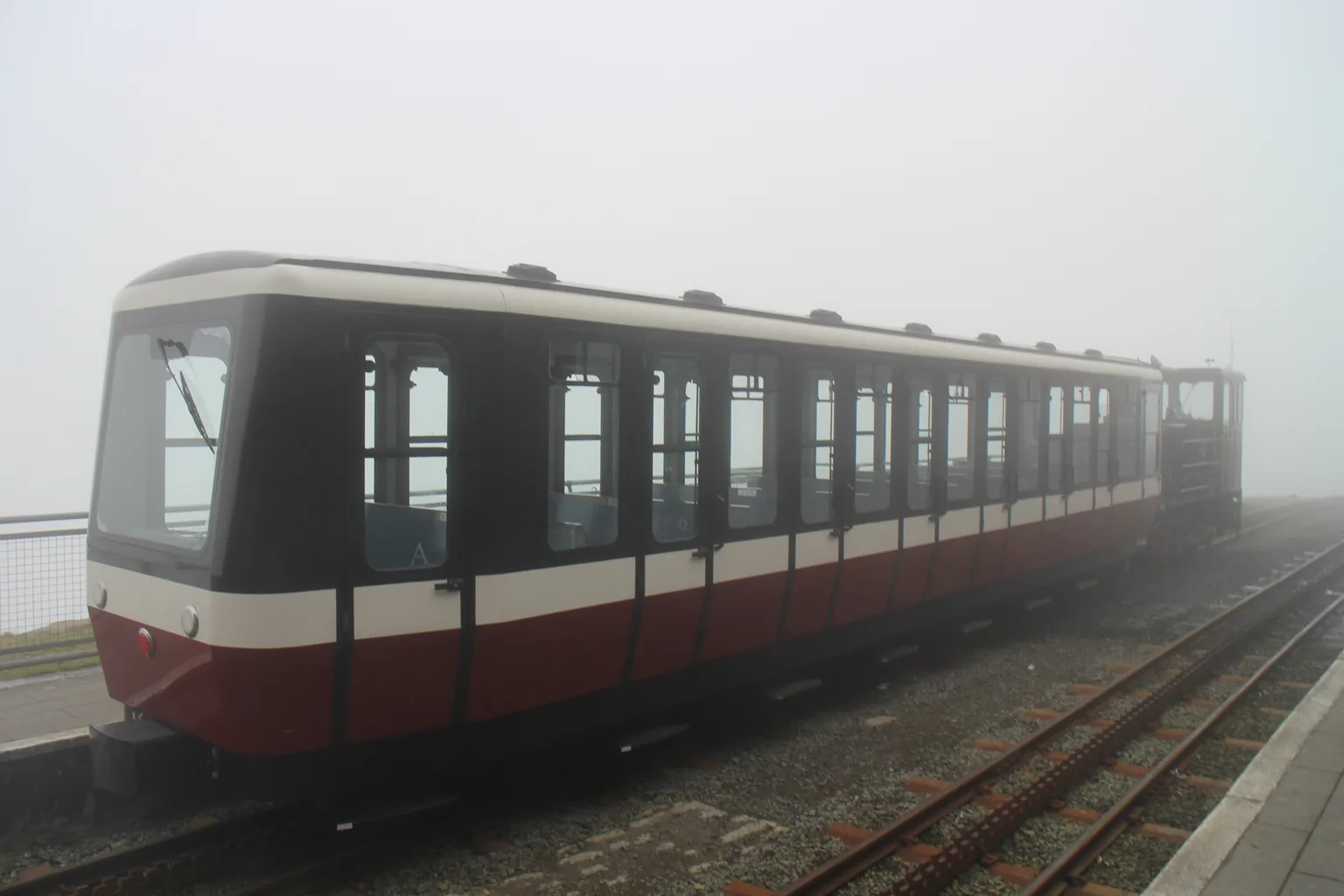
The Heritage Steam Experience uses carriages seating 34 passengers around a central aisle, pushed by those Swiss engines (the experience page). The steam season runs from 4 May to 16 October, and diesel trains run to the summit from 1 May to 25 October (same page). On the climb the line passes the Ceunant Mawr waterfall, which the operator says “plunges majestically into the gorge below”. Fares and times live on the operator's plan your visit page; services run weather permitting.
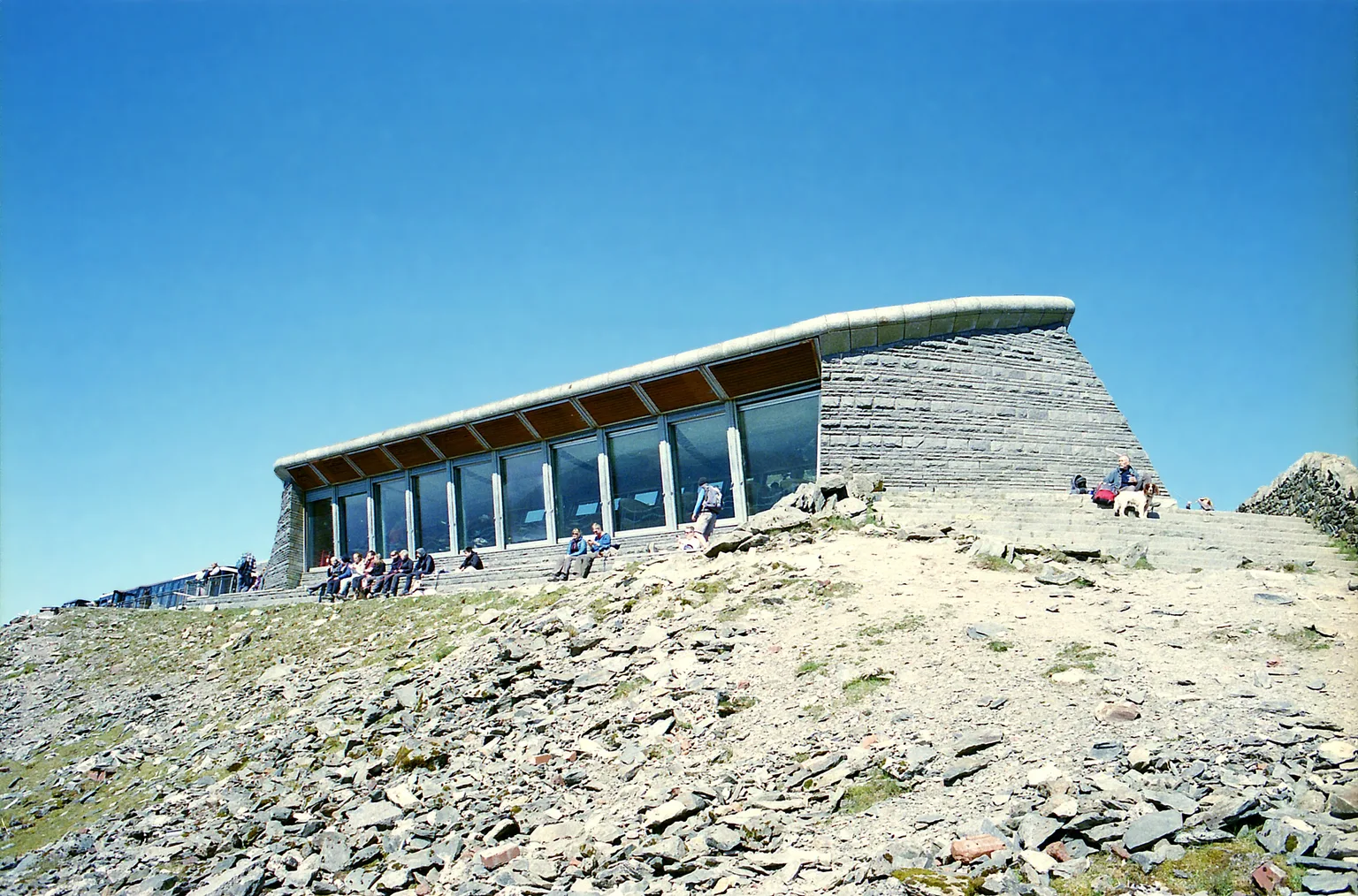
Hafod Eryri, at 1085m
The summit is “at 1085m above sea level, the highest point in Wales and England” (Snowdon Mountain Railway). The visitor centre, Hafod Eryri, first opened in June 2009, and the history page records that First Minister Rhodri Morgan opened it, at a cost of £8.3m (history). It replaced an earlier summit building designed by Sir Clough Williams-Ellis (same page). There is no mains water or electricity at the top: water goes up by train, about 9,000 litres a day in summer (the experience page).
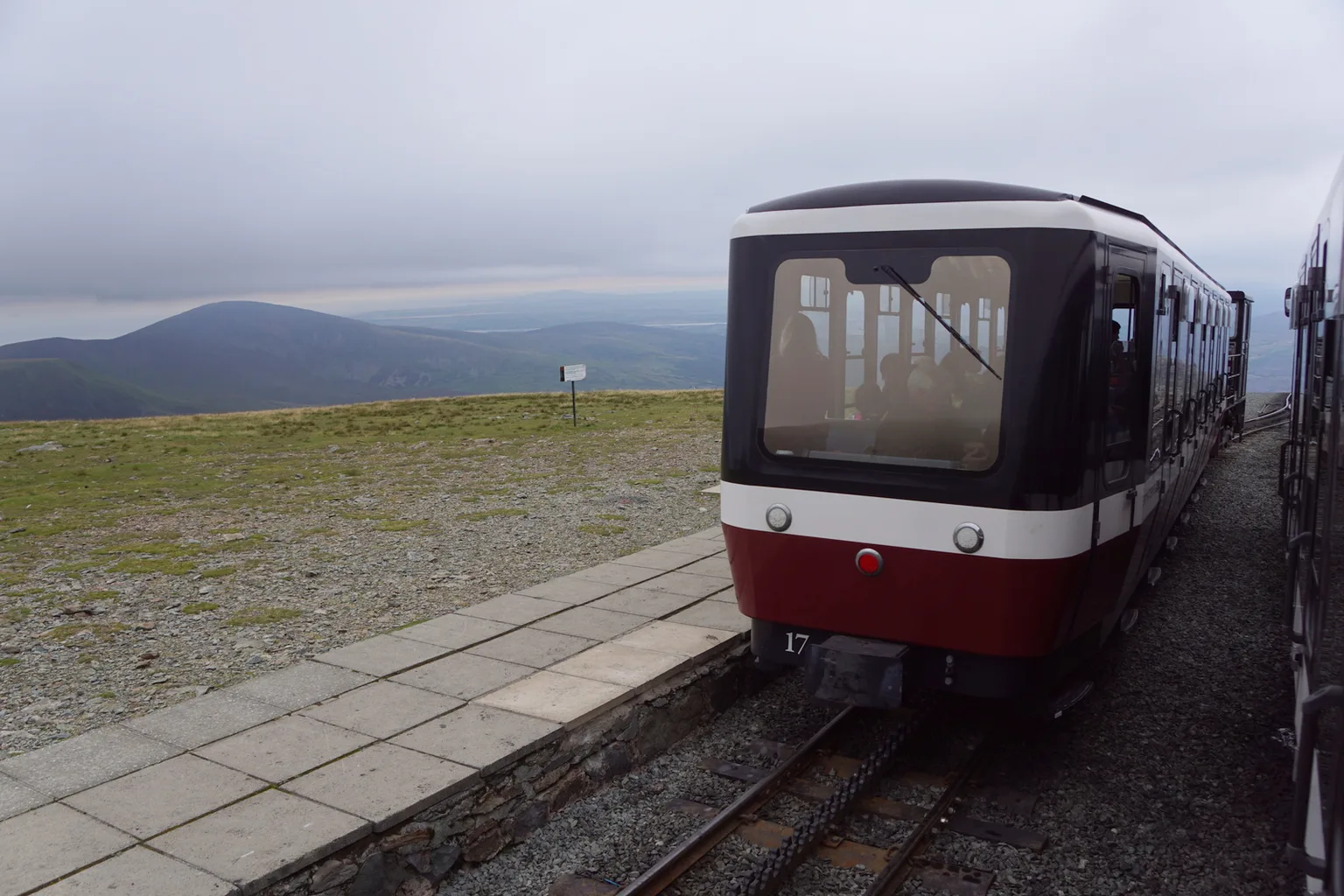
On the way up
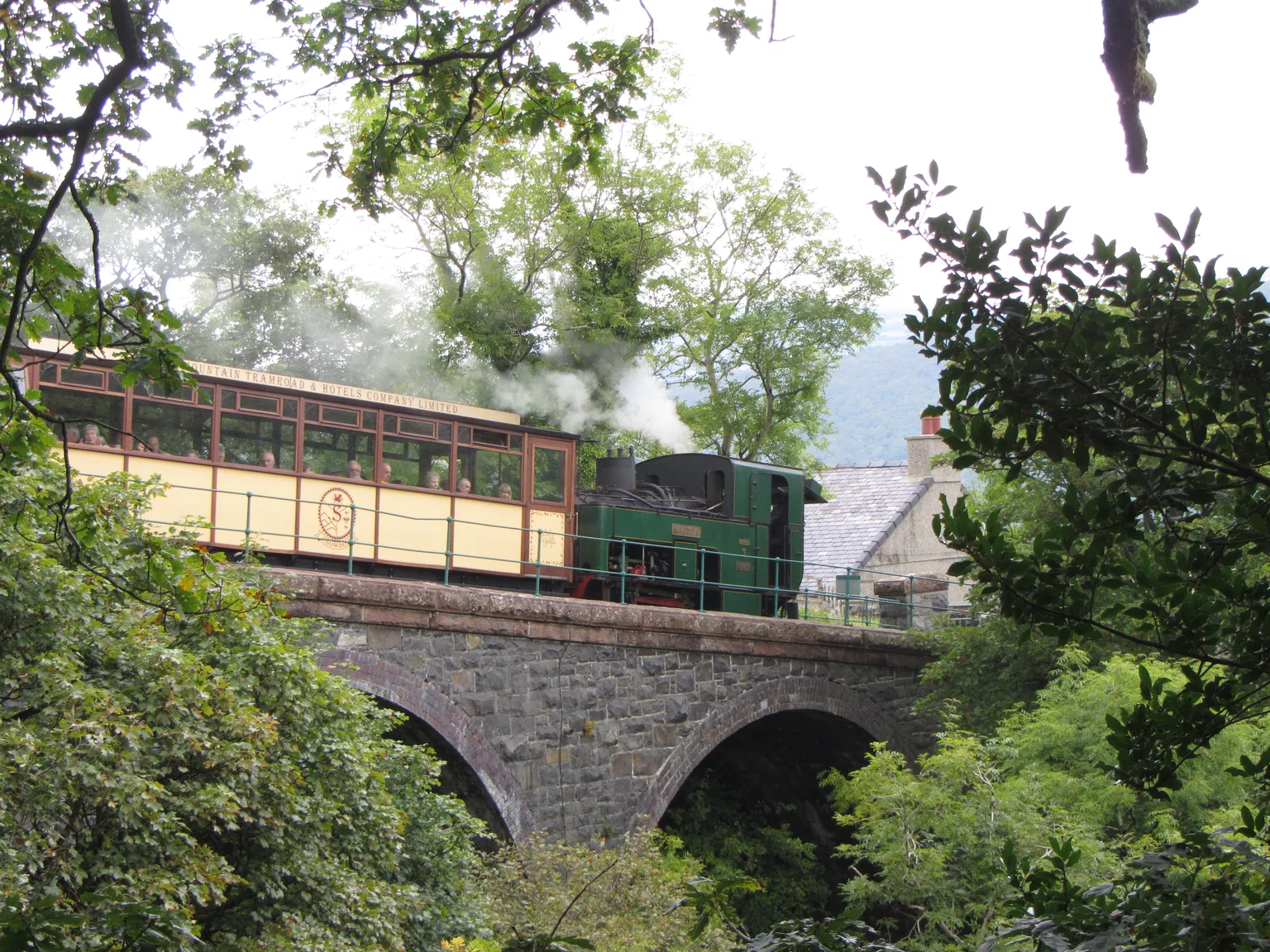
Leaving Llanberis, the train crosses “the first of two viaducts across the Afon Hwch”, then passes Hebron, named after the nearby Hebron Chapel, and later runs along the edge of Rocky Valley (the experience page, read 21 October 2026). The steam service uses The Snowdon Lily and The Snowdon Mountain Goat, which the operator describes as accurate reconstructions of the original Snowdon Mountain Tramroad carriages. The history page records that steam locomotive No. 5 Moel Siabod returned to service in 2017 after a refit, and that the coal-fired engines now burn Ecoal, a smokeless manufactured coal (history).
Planning the day
A return to the summit takes about two and a half hours, including roughly 30 minutes at Hafod Eryri (plan your visit, read 21 October 2026). Listed adult diesel returns to the summit were £45 off peak and £48 peak, and the Heritage Steam Experience £62 off peak and £72 peak. The nearest main-line station is Bangor, around 10 miles away; there is a small pay-and-display car park behind the station on Victoria Terrace; only assistance animals can travel; and there are no toilets on the trains, at Clogwyn or at Rocky Valley (same page).
Photographing the line
Holiday snaps are fine: the railway’s terms let you take photographs for private use. Filming or photography for anything else has to be approved in advance by its marketing team. Thinking of a drone? Eryri National Park says you’ll need permission and a licence to fly on its land, and it names the summit of Yr Wyddfa as one of those places.
Sources: Snowdon terms; Snowdon media enquiries; Eryri National Park, drones (read 21 October 2026).
A photograph of your own makes the best souvenir, and we print it as it is.