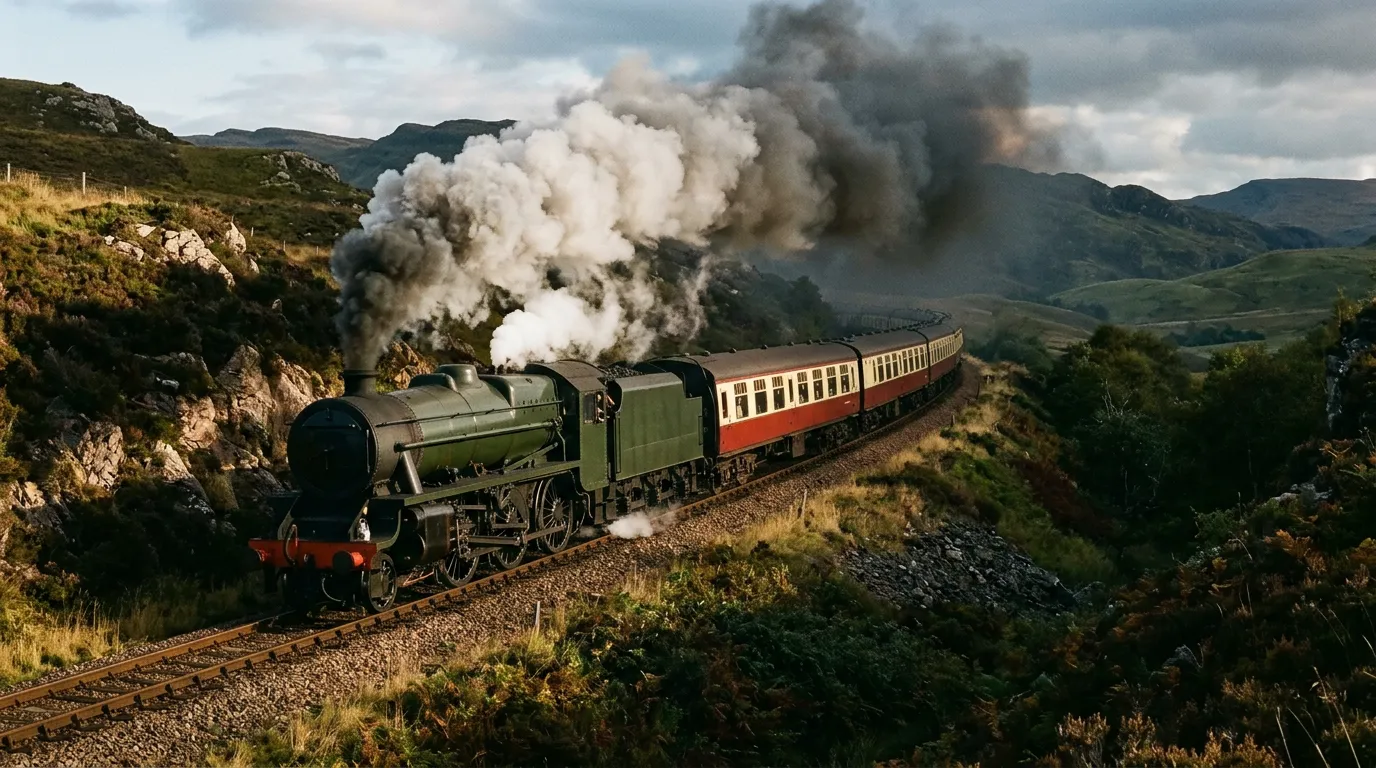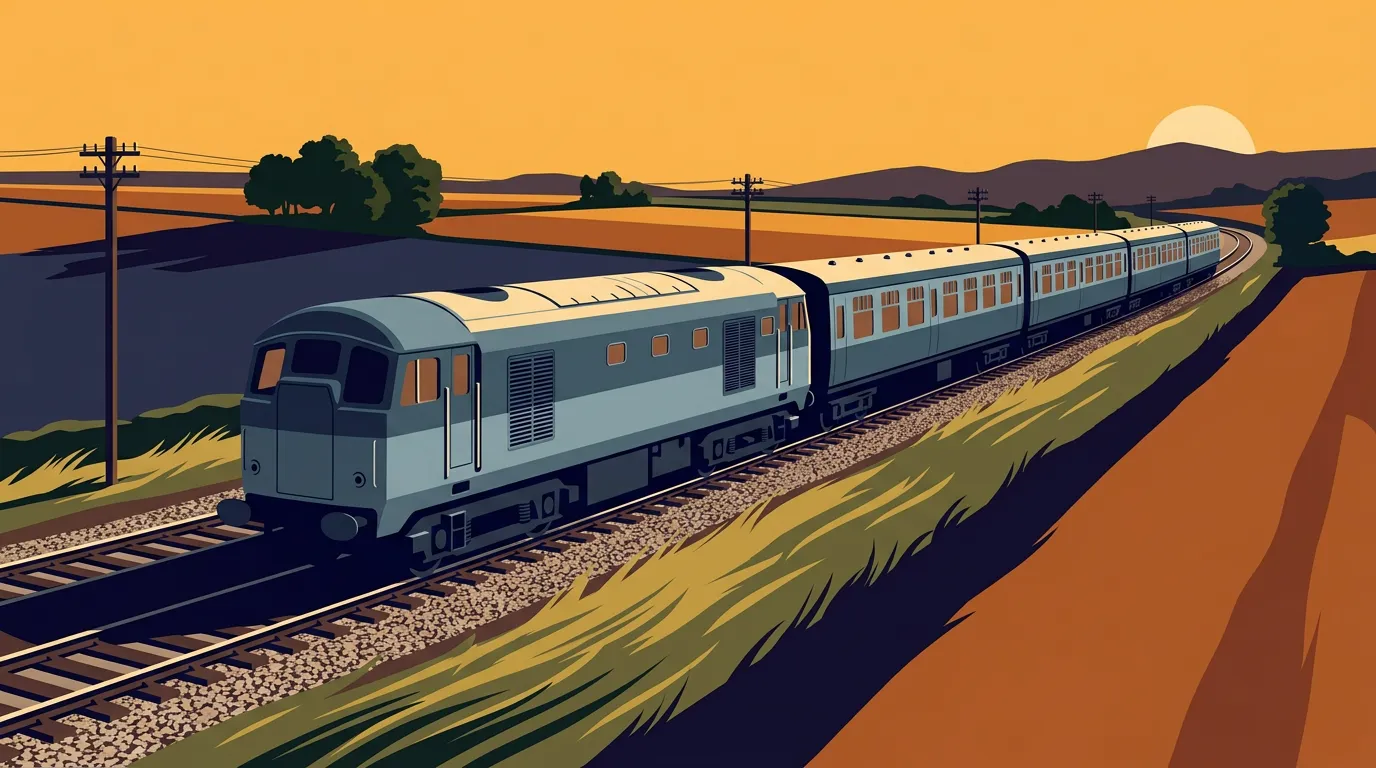
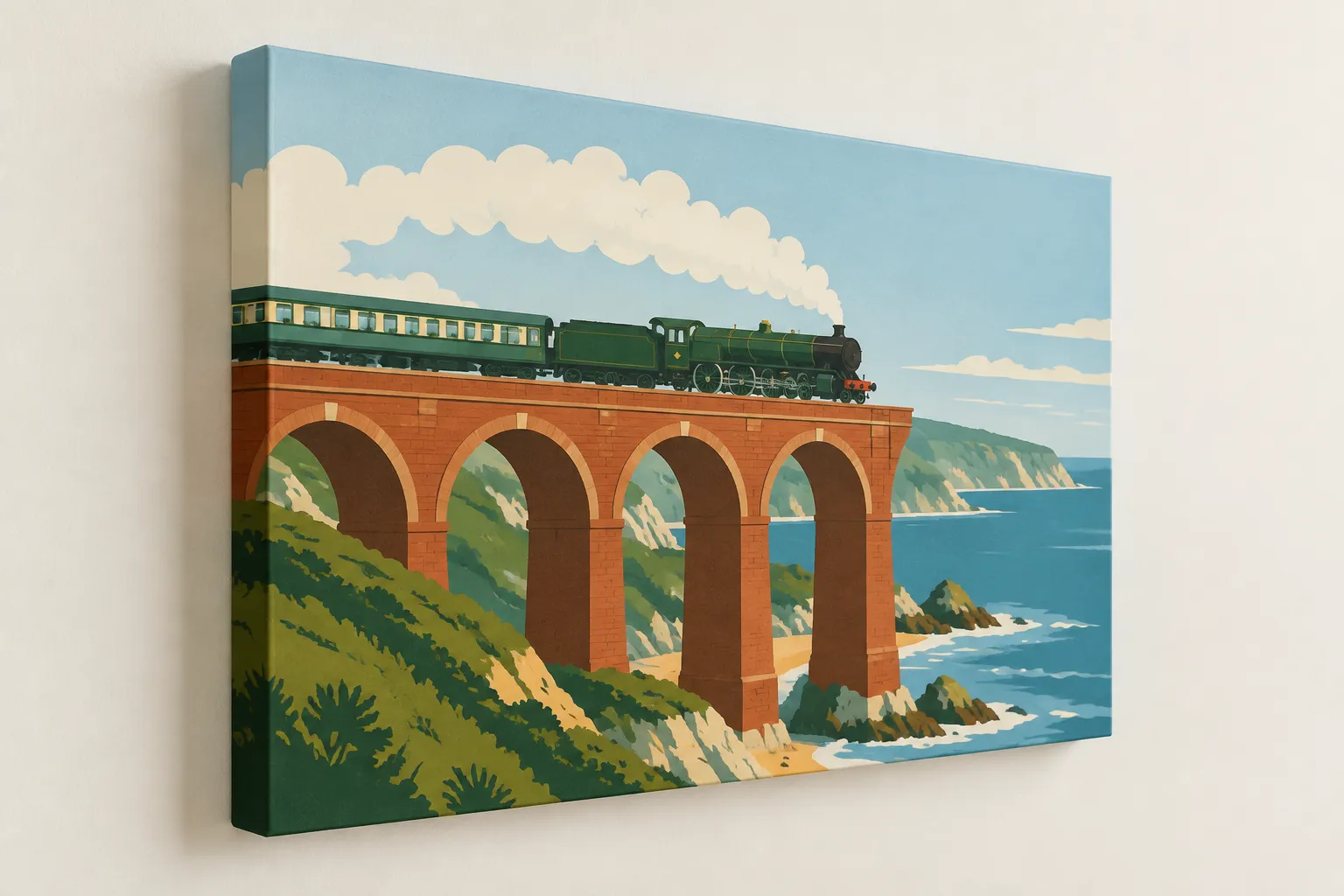


The picture they would choose is not the one you would
Given a folder to pick from, most people go for the pretty one: good light, nice sky, train nicely placed. A spotter will often pick something plainer, because what makes it matter is what it documents. A working that only ran twice. A unit in the last week before it went. A locomotive somewhere it had no business being.
So the question to ask yourself, or to ask them sideways, isn't which photograph is best. It's which one they still talk about.
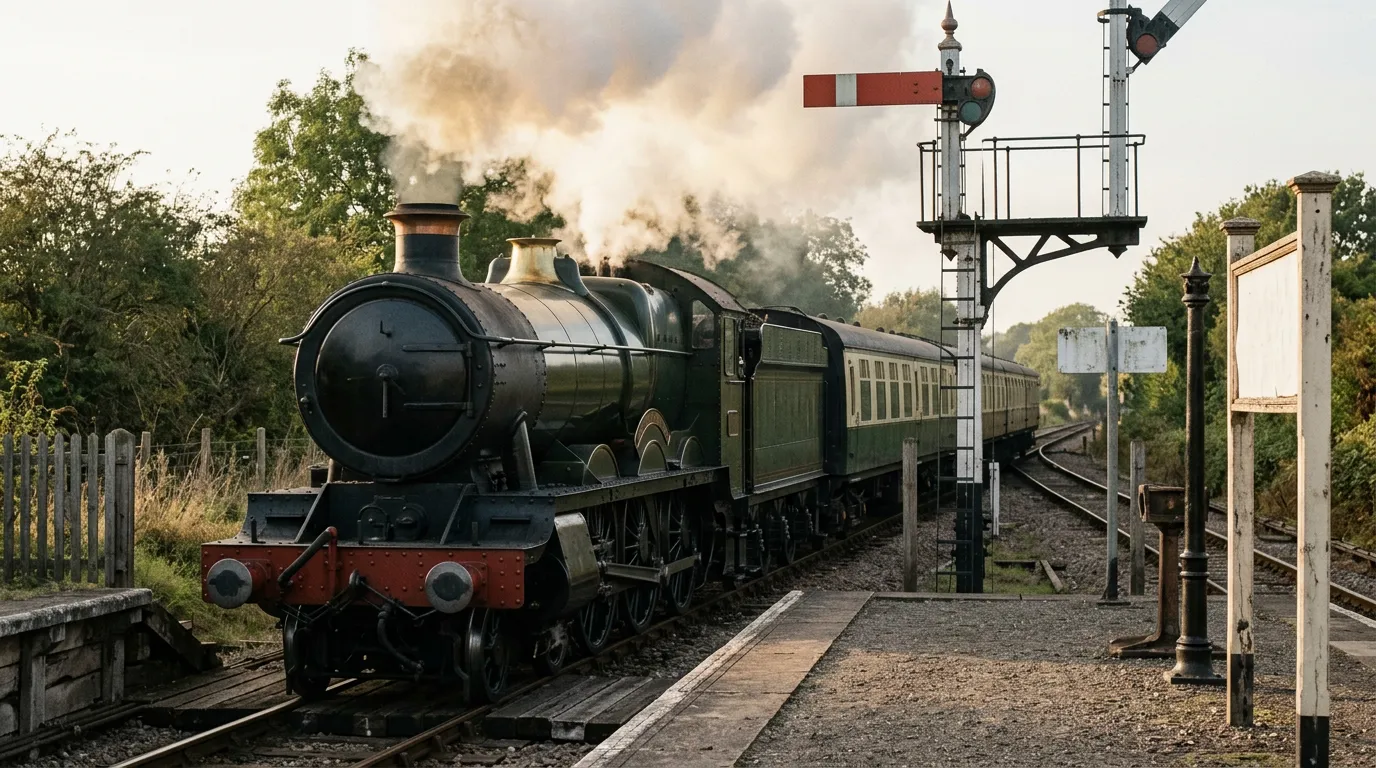
Reading a folder you did not shoot
You can usually spot the important frames without knowing anything about traction. They come in runs, because somebody was working the shot. They are timestamped early in the morning or late in the evening. They sit oddly among holiday photographs, and there are often several from the same twenty minutes.
If there are two versions of the same moment, take the sharper one. Detail is the one property that cannot be restored later, and preparing the photograph explains what makes the difference between a file that prints and one that only looks fine on a phone.
What suits a documentary picture
Records reward being looked at closely, which points at paper rather than texture. A framed A3 or A2 print behind plexiglass holds fine detail cleanly, and the print fills the frame opening edge to edge. Metal is the other good option: a 3mm printed panel, frameless, with real depth in the blacks, which suits depot and night work.
Canvas is the one to think twice about here. The weave and the wrap flatter a scenic composition and work against a picture whose whole point is what is written on the cab side. The format pages go through each one, and the size guide says which sizes their file can carry.
The small gift that gets used
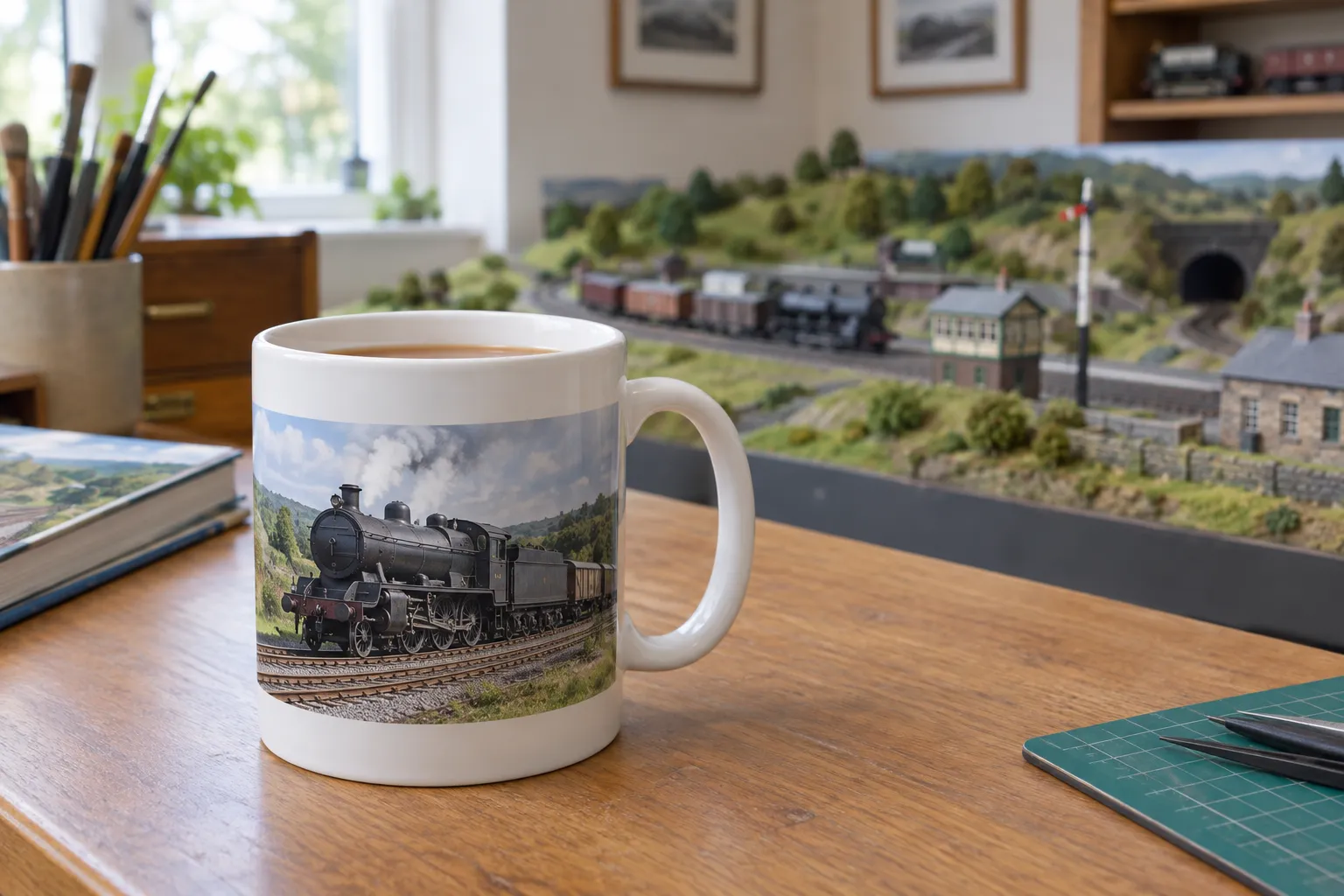
Not everything has to go on a wall. An 11oz mug puts a favourite frame on the desk every morning, and it is the version that suits a club: raffle prizes, thank-yous, something to send a fellow member. It comes from the same upload as a print would.
If you are buying without the photographs
Plenty of people arrive here wanting to give something and not having access to the pictures at all. It is worth saying plainly: this site cannot help much without a file. What works instead is asking for one, which most enthusiasts are delighted to be asked for, and doing the printing yourself. The rest of this stage covers the other recipients.
Buying for a spotter at Christmas? Train Christmas gifts has both routes and the working days to allow.