The route and how long it is
The Settle-Carlisle runs from Settle Junction in the south to Carlisle in the north, a total of 72 miles, and the partnership behind it has adopted all ten stations between Settle and Carlisle (Friends of the Settle-Carlisle Line, read 21 October 2026). It isn't a heritage railway. It is part of the national network, its passenger trains are operated by Northern, and you ride it on an ordinary ticket. Going north, the stations are Settle, Horton-in-Ribblesdale, Ribblehead, Dent, Garsdale, Kirkby Stephen, Appleby, Langwathby, Lazonby and Kirkoswald, Armathwaite and Carlisle (station list, Wikipedia, read 1 October 2026).
How it was built, 1869 to 1876
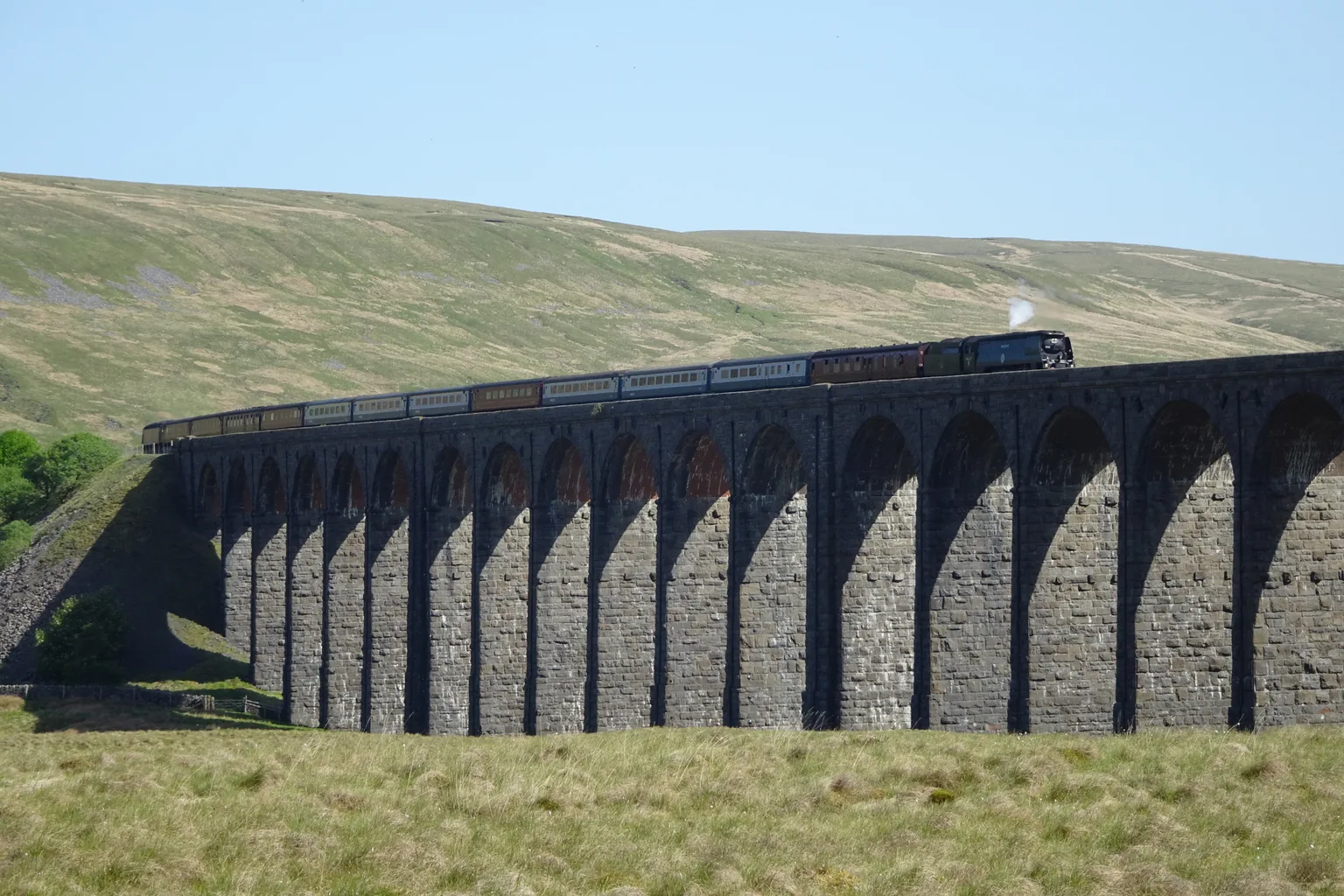
The Midland Railway began construction in 1869 and the work took seven years, with roughly 6,000 men on the line (Eden District Council conservation area notes, read 21 October 2026). Goods came first: the line officially opened for goods traffic on 2 August 1875, and the official opening for passengers followed on 1 May 1876 (Settle-Carlisle Railway Conservation Area archive, read 21 October 2026). That makes 2026 the line's 150th year.
The building cost lives. The Yorkshire Dales National Park records that “hundreds of railway builders (‘navvies’) lost their lives building the line, from a combination of accidents, fights, and smallpox outbreaks”, and that the railway paid to expand the local graveyard (Yorkshire Dales National Park). The construction camps below Ribblehead had names of their own: Batty Wife Hole, Sebastopol, Belgravia. The memorials are at St Leonard’s in Chapel-le-Dale and St Mary’s at Outhgill.
Ribblehead, Blea Moor and Arten Gill
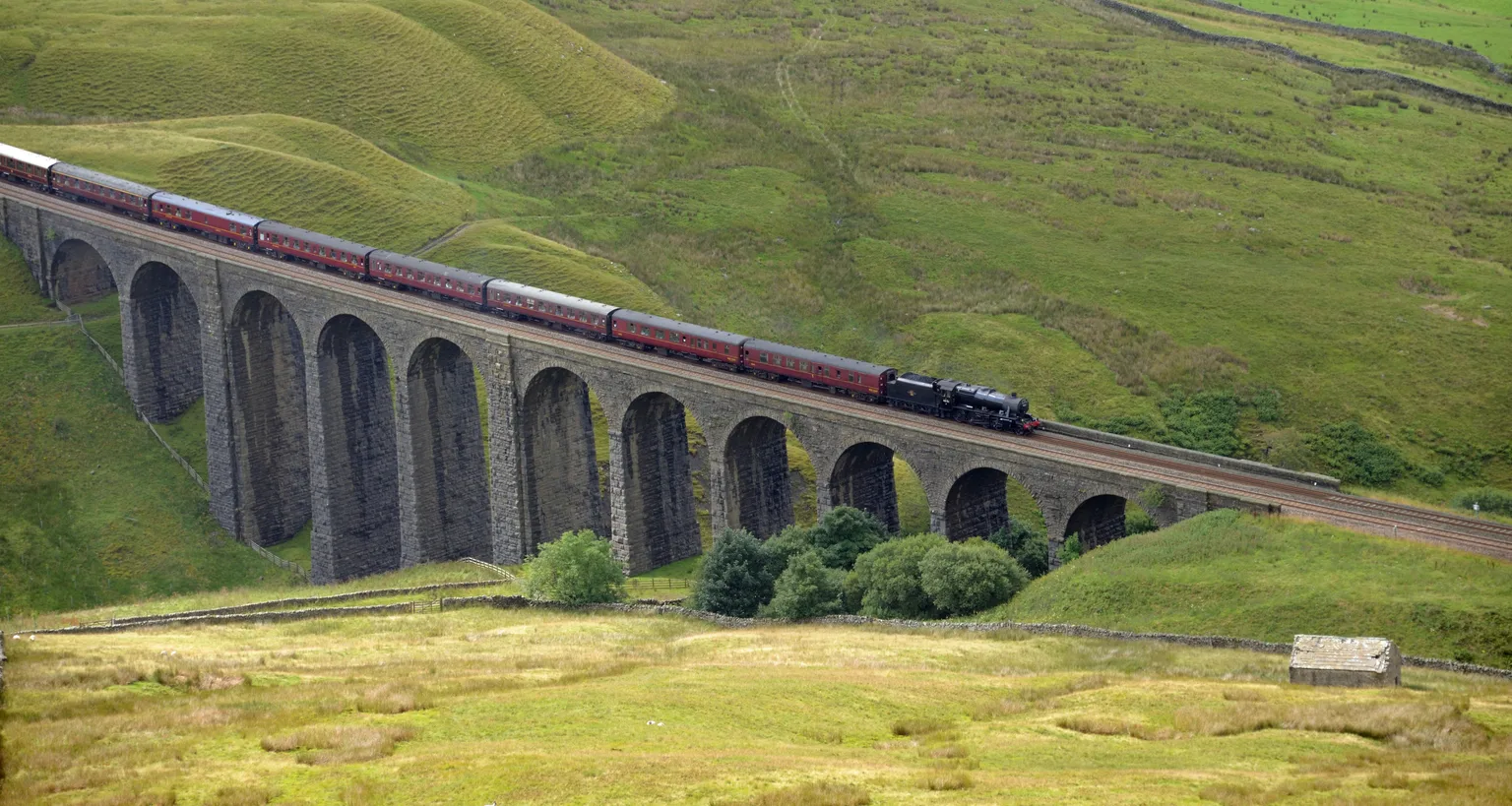
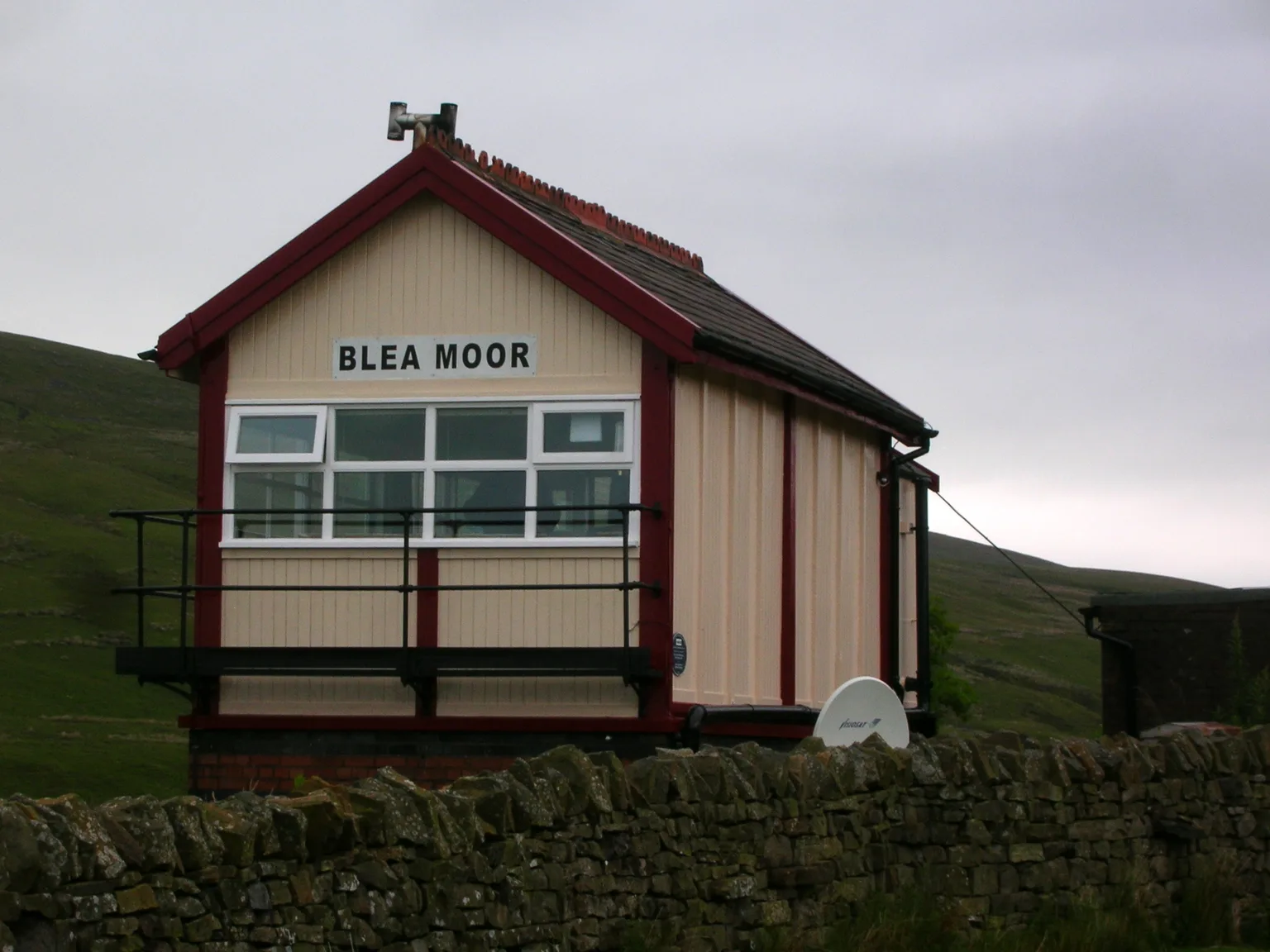
Ribblehead Viaduct's official name is Batty Moss. Its list entry, Grade II*, dates it to 1870 to 1874 under the engineer J Crossley and records “24 segmental arches on battered piers”, “104 feet high at highest point” (list entry, read 21 October 2026). North of the viaduct the line climbs into Blea Moor Tunnel, which is 2,629 yards long (conservation area archive). Beyond it, at the head of Dentdale, Arten Gill Viaduct carries the line on eleven round-headed arches of rock-faced sandstone (list entry, read 21 October 2026).
The highest station, and the summit
At 1,150 feet above sea level, Dent is the highest main-line station in England (conservation area archive, read 21 October 2026). The line keeps climbing after it, up Mallerstang Common to the summit at Ais Gill, 1,169 feet above sea level and the highest point on a main line in England (Eden District Council).
The line that was nearly closed
In December 1983 British Rail's London Midland Region put out posters announcing the discontinuation of passenger services (RailStaff, 17 April 2014). The Friends of the Settle-Carlisle Line had been formed in 1981 to campaign against a closure proposal, “and in 1989 the Government decided that the line must remain open” (FoSCL, read 21 October 2026). Michael Portillo has described his part in it: “In April 1989, I wrote to the Friends of the Settle-Carlisle Line, announcing that the proposed closure of the Settle-Carlisle Railway Line would not take place, and the line was reprieved” (Settle Carlisle Railway Trust).
The reprieve has paid back. By 2014, RailStaff reported, 40 freight trains a day were using the line regularly, and the same article judged that operators on the West Coast Main Line would struggle without it.
What runs on it now, and the steam specials
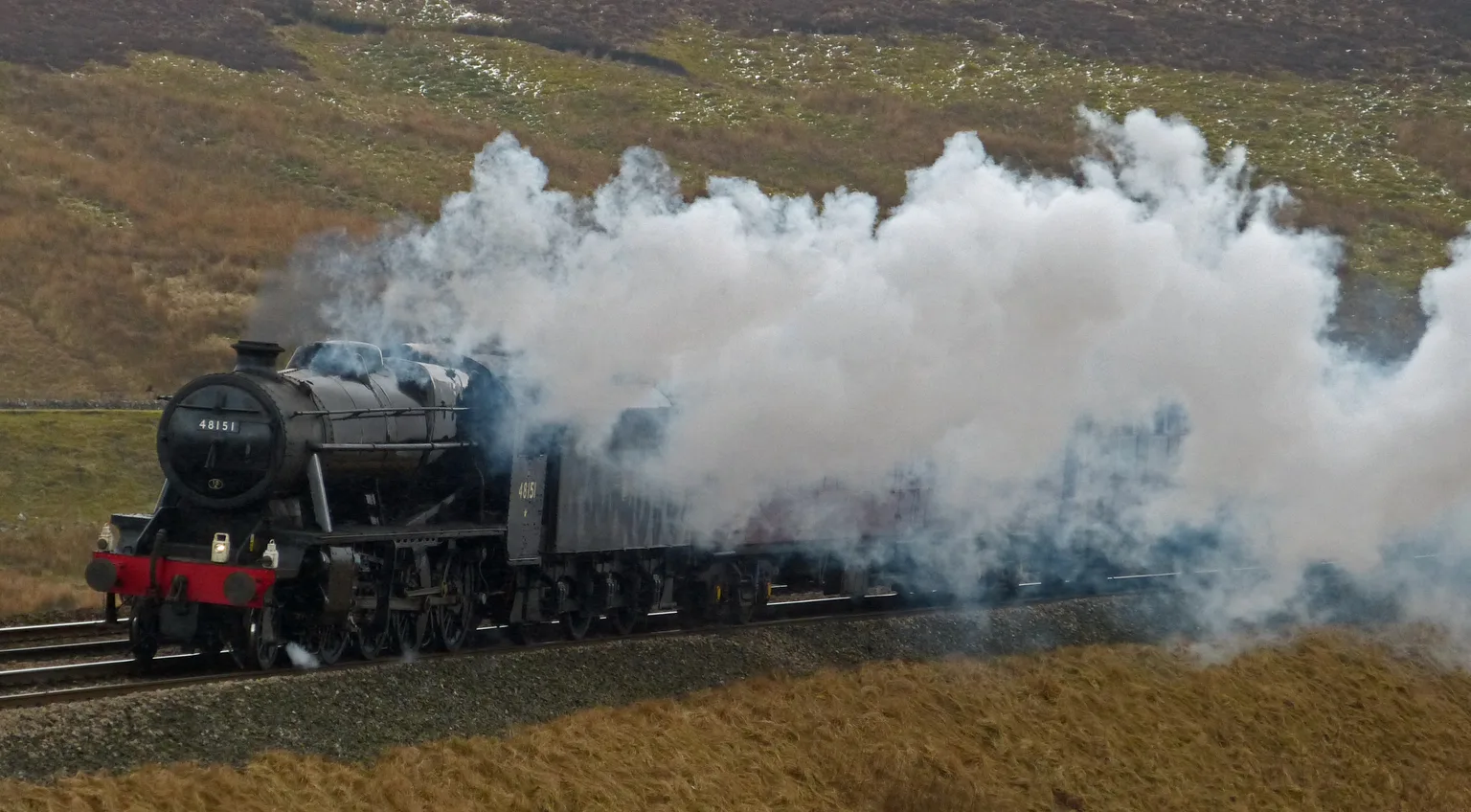
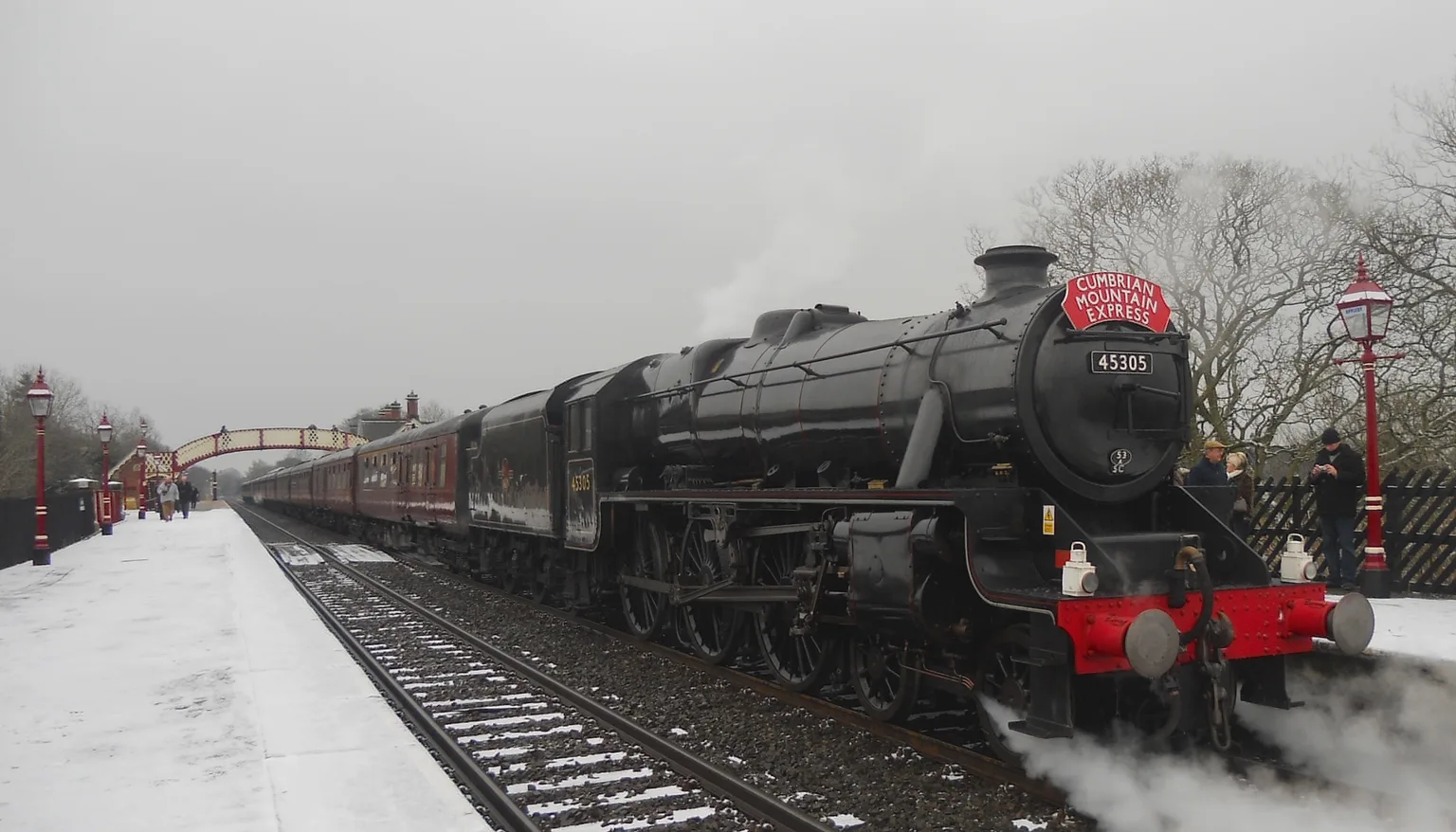
Everyday passenger trains are Northern's. Steam comes as charters. West Coast Railways' Dalesman ran in 2026 from York on Tuesdays, with steam from Hellifield, on 7 July, 21 July, 11 August, 25 August and 15 September, and from Chester on Thursdays, out over the Settle-Carlisle and back over Shap, on 11 June, 6 August and 10 September (West Coast Railways, read 21 October 2026). For the 150th anniversary a steam-hauled charter ran from Bradford Forster Square to Carlisle on Saturday 3 October 2026 (Settle-Carlisle Railway, read 21 October 2026). Steam dates change each year, so check the operators before planning a day around one.
Where to watch from
Ribblehead is the easy one. The viaduct is about half a mile from the station: walk down the station drive, turn right along the B6255, turn left shortly after the cattle grid and follow the rough track, a public bridleway, to the foot of the viaduct (conservation area archive, read 21 October 2026). The same page notes that the structures north of the viaduct can be seen from that bridleway, and that going on past the aqueduct means a strenuous climb up Blea Moor. For a longer day, the Friends have led a 10-mile walk from Dent station by the Coal Road, Arten Gill, the Dales Way and Blea Moor to Ribblehead (FoSCL guided walk, April 2024). Keep to public rights of way and well back from the line.
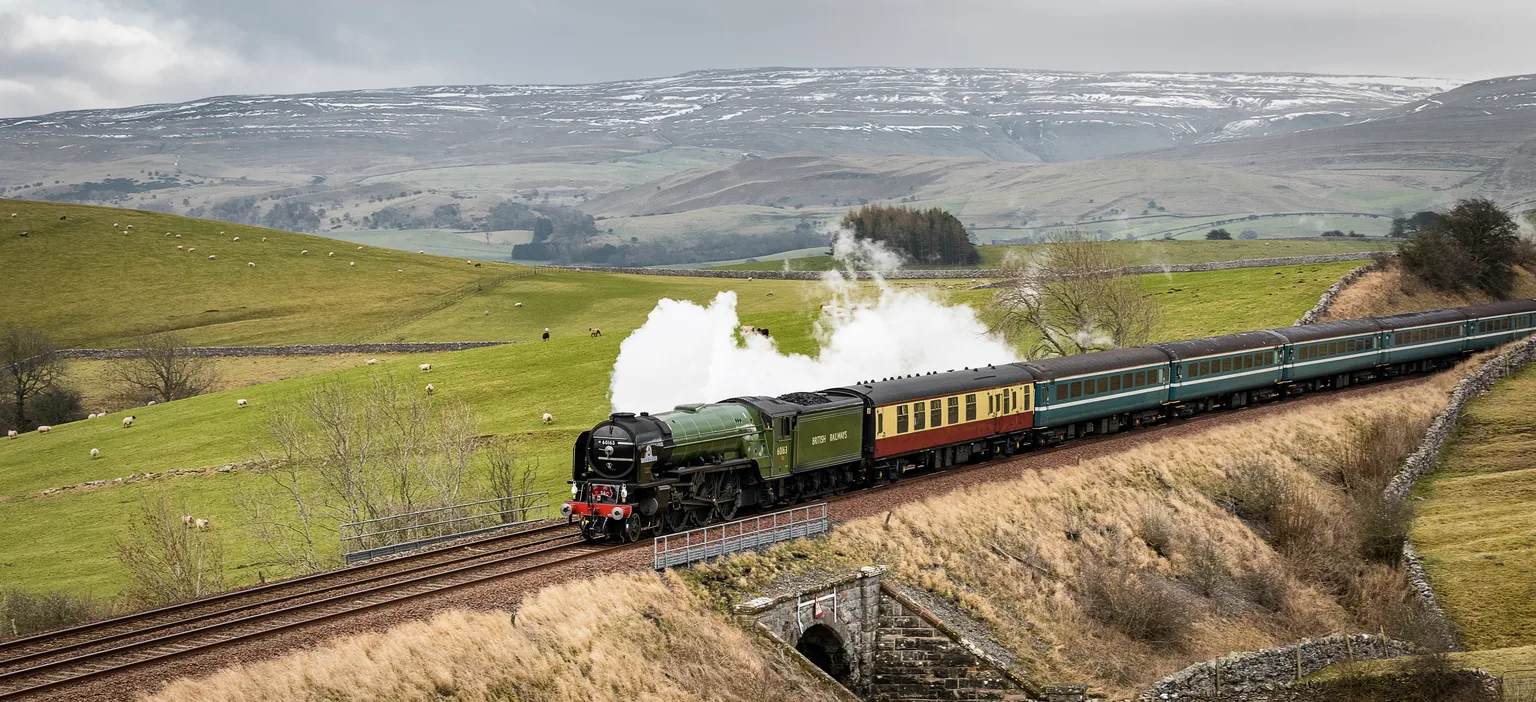
Photographing the line
This is a working main line, not a heritage railway, so there’s no lineside pass to buy. Stick to public paths and open access land, and if you want a field, ask the landowner first. Those were the rules for the line’s own 2026 station photo competition, which ran from 11 February to 6 July, along with a simple one: always follow rail safety. Steam comes as charters, and the Friends are clear that they don’t run steam trains themselves, so look to operators such as West Coast Railways for dates.
Sources: Settle-Carlisle photo competition; Friends of the Settle-Carlisle Line (read 21 October 2026).
If you came away with a photograph you love, it prints just as you took it.


.jpg)
