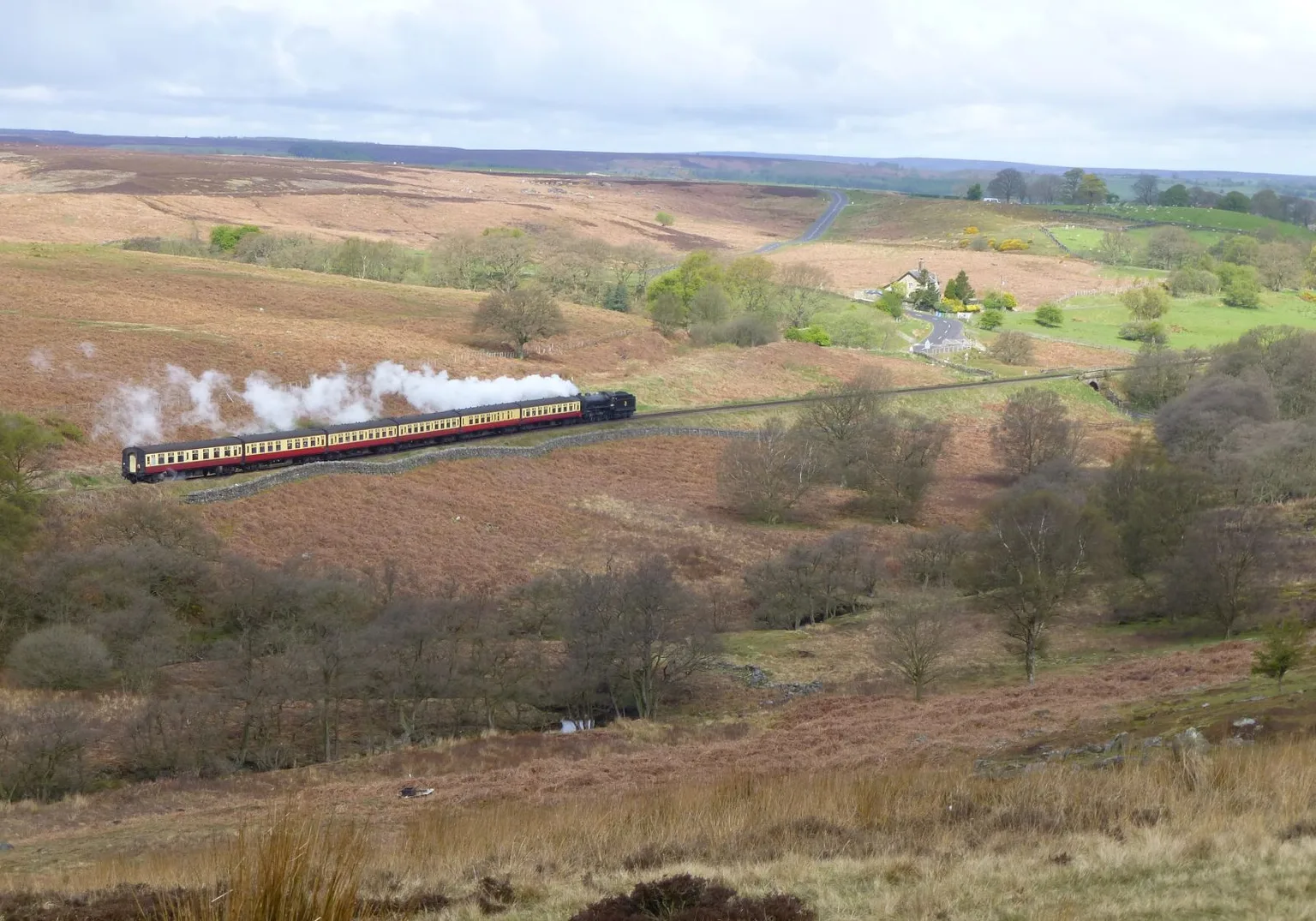
The route, Kidderminster to Bridgnorth
The railway runs “through 16-miles of beautiful Worcestershire and Shropshire countryside” (Severn Valley Railway, read 21 October 2026). Its six stations, south to north, are Kidderminster, Bewdley, Arley, Highley, Hampton Loade and Bridgnorth (the operator's destinations page).
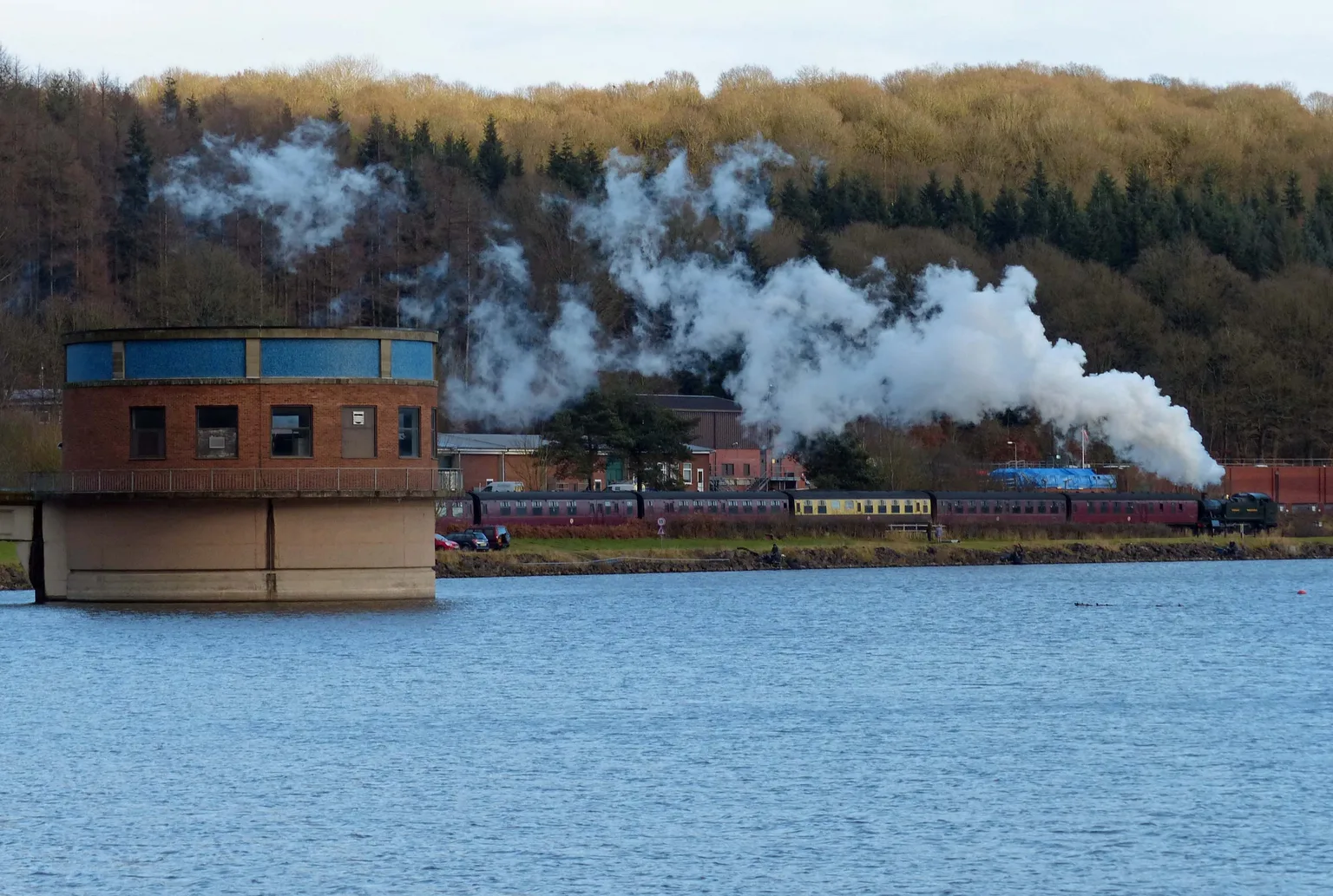
From 1862 to 1963
The line opened in 1862 “after a nine-year building project”, as part of a route from Shrewsbury to Hartlebury (history of the SVR, read 21 October 2026). The branch into Kidderminster came later: the Bewdley to Kidderminster loop was built by the Great Western Railway (same page). British Railways ended it: “all passenger services stopped in 1963”.
The rescue, and the miles won back
Preservation started almost at once. On 1 February 1966 British Rail agreed to the line being purchased for £25,000, and the first locomotive, No. 3205, arrived in 1967 (SVR history). Trains returned between Bridgnorth and Hampton Loade in 1970, the line was extended to Bewdley in 1974, and Kidderminster Town followed in 1984 (the operator's own timeline).
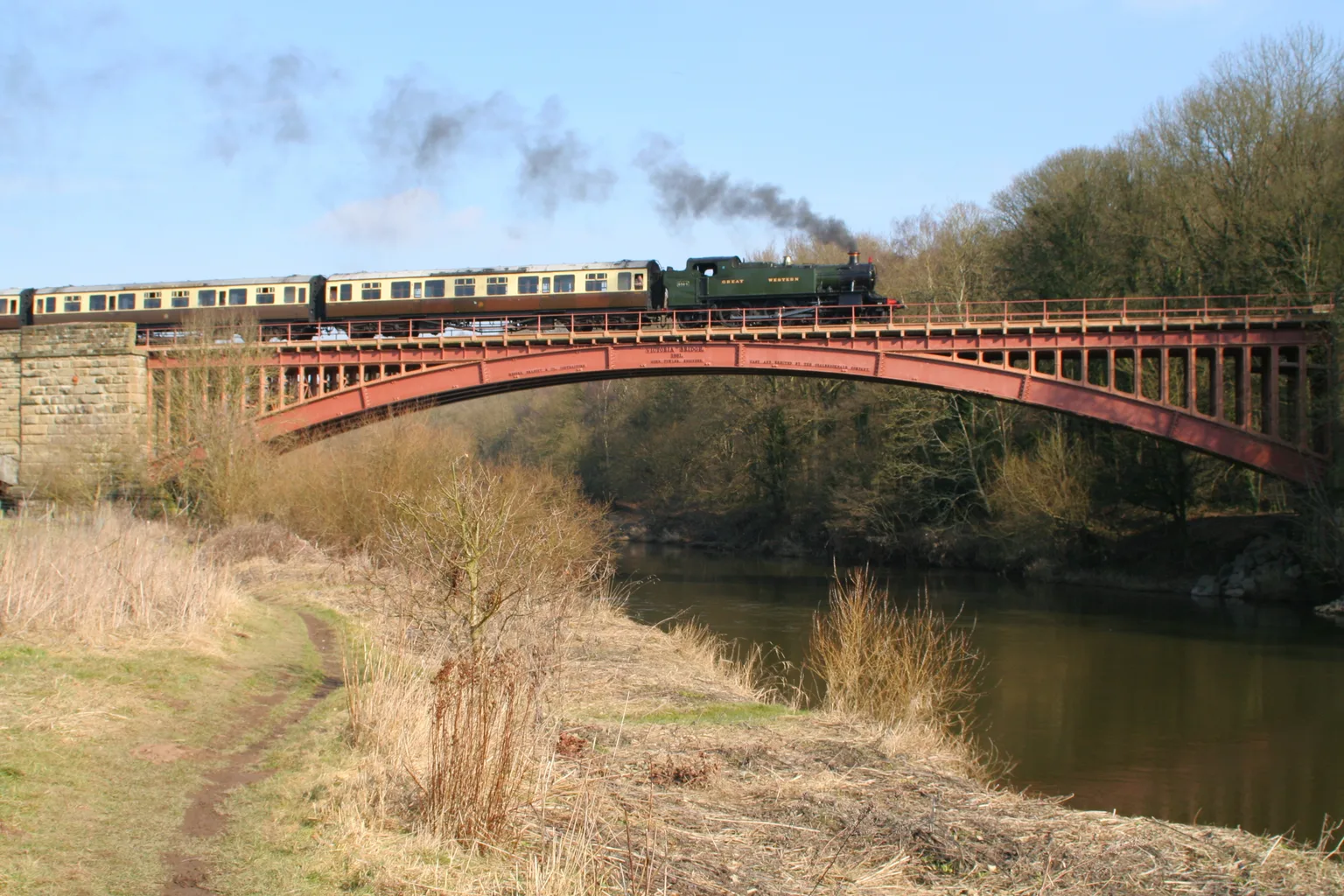
The Victoria Bridge
The picture most people want from this line is the Victoria Bridge, which carries the railway over the Severn near Upper Arley. Its list entry, Grade II*, credits the design to John Fowler and the ironwork to the Coalbrookdale Company, dates it to 1859 to 1862, and describes the main span as a segmental arch of four cast-iron ribs (list entry, read 21 October 2026).
What runs, and where to look
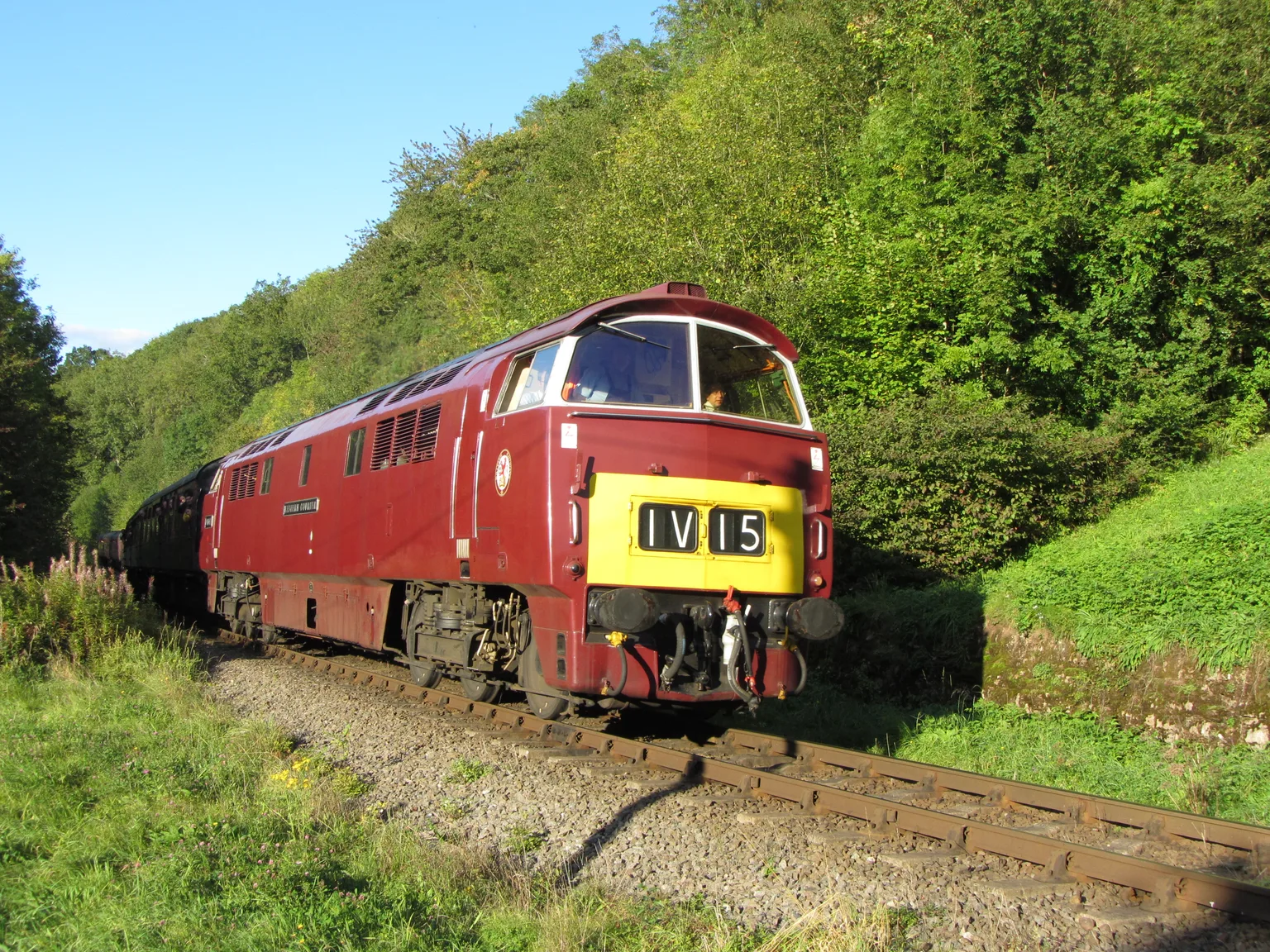
The operator describes No. 4930 Hagley Hall as “widely considered the SVR's flagship locomotive” (SVR). Near Highley the Engine House visitor centre keeps part of the reserve collection under cover and is free to enter (Engine House page, read 21 October 2026). Film crews use the line too: the operator lists 28 Days Later, Enola Holmes, The Chronicles of Narnia and Goodnight Mister Tom among its credits (filming page).
For the calendar, the 2026 Autumn Steam Gala ran from 17 to 20 September with GWR small prairie No. 5526 visiting (SVR news, July 2026), and Santa's Steam Specials run on weekends from 28 November into Christmas Eve (events page, read 21 October 2026).
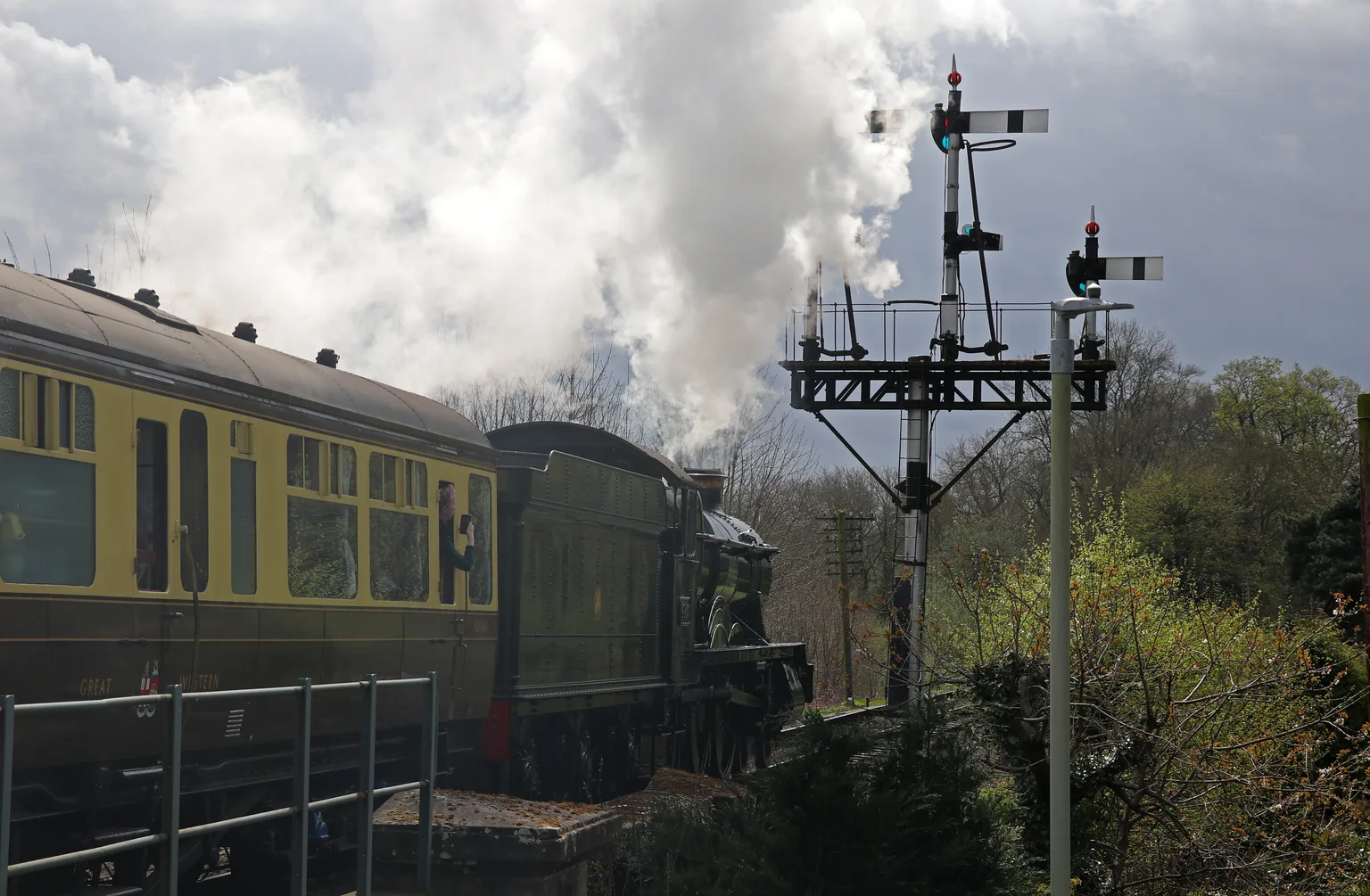
Stations and the stock behind them
Kidderminster Town looks Edwardian but isn't: the operator says it was “built in the mid-1980s, as a faithful recreation of a 1900s GWR station”, with a railway museum in an 1878 goods warehouse beside it and the King & Castle pub on the platform (Kidderminster station page, read 21 October 2026). At the other end, the Railwayman's Arms at Bridgnorth has been serving pints since 1861, and the loco works can be seen from the platform and footbridge (Bridgnorth station page). The Engine House at Highley keeps a travelling post office and King George VI's royal saloon (Highley station page), and the railway as a whole maintains around 70 passenger carriages (SVR news, April 2026).
Planning the day
The all-day Freedom of the Line ticket was listed at £26.00 for an adult booked more than three days ahead, £29.50 within three days and £33.00 on the day, and dogs travel for £5 each (ticket prices, read 21 October 2026). Fares change, so check the page before you go. Adapted heritage carriages take wheelchairs and electric scooters, and where a buffet car runs the railway aims to serve refreshments at your seat (accessibility page).
Photographing the line
The Severn Valley doesn’t sell a general lineside pass that we could find, so the stations and public paths are where to stand. In 2023 the railway trialled photo charters, with one on Tuesday 18 April. Keep an eye on its news page for the next.
Sources: SVR news, photo charters (read 21 October 2026).
Have a picture from the platform end you are pleased with? Order it plain, or look at the studio styles before you decide.