Twenty-four arches across Batty Moss
The viaduct is listed under its old name, Batty Moss Railway Viaduct, at Grade II*. The entry puts its building between 1870 and 1874, names J Crossley as engineer, and describes “24 segmental arches” standing on battered, that is sloping, piers (list entry, read 21 October 2026). The National Park gives the size in modern terms: a 400-metre-long, 32-metre-high Grade II* structure (Yorkshire Dales National Park), and calls it a stunning piece of Victorian engineering (YDNP Ribblehead page).
The railway museum’s blog fills in the man behind it: “Designed by John Sydney Crossley” (Science Museum Group blog). Network Rail began £2.1m of repairs in 2020, and describes it as bridging the gap between Ribblehead and Dent since 1876 (Network Rail, 22 October 2020).
The people who built it
This is the part worth knowing before you stand under it. The National Park says hundreds of navvies died while the line was built. Accidents, fights and smallpox killed them, and the railway paid to make the local graveyard bigger (YDNP). St Leonard’s Church at Chapel-le-Dale is one of the places that commemorate the lives of some of the men who died.
The museum blog says between one and two thousand navvies, and their families, settled into the area while it was going up (blog). The visitor centre at Ribblehead station tells the story of the viaduct, Blea Moor tunnel and life in the navvy settlement. The Settle and Carlisle Railway Trust runs it, along with a tearoom and small shop at the station (Friends of the Settle-Carlisle Line).
Getting there, and the trains
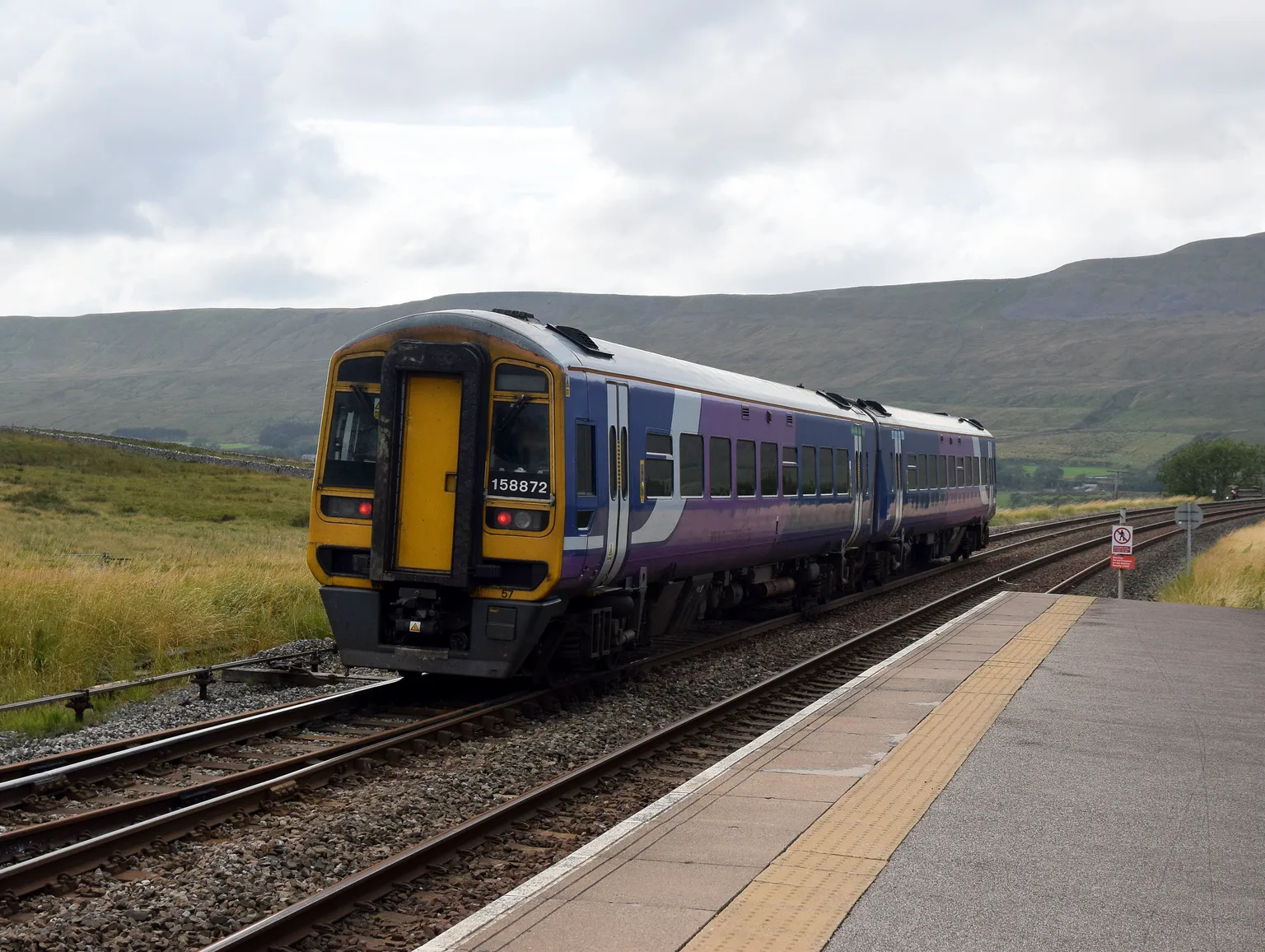
The easy way is the train. Ribblehead station has hourly trains from Leeds and Lancaster and Morecambe, according to the National Park’s access guide, which also says informal parking is available on the B6255 and that overnight parking, camping and motorhome stays are not permitted there (YDNP access guide, read 21 October 2026). The bridleway to the viaduct is level and firm enough for most wheelchair users, it says.
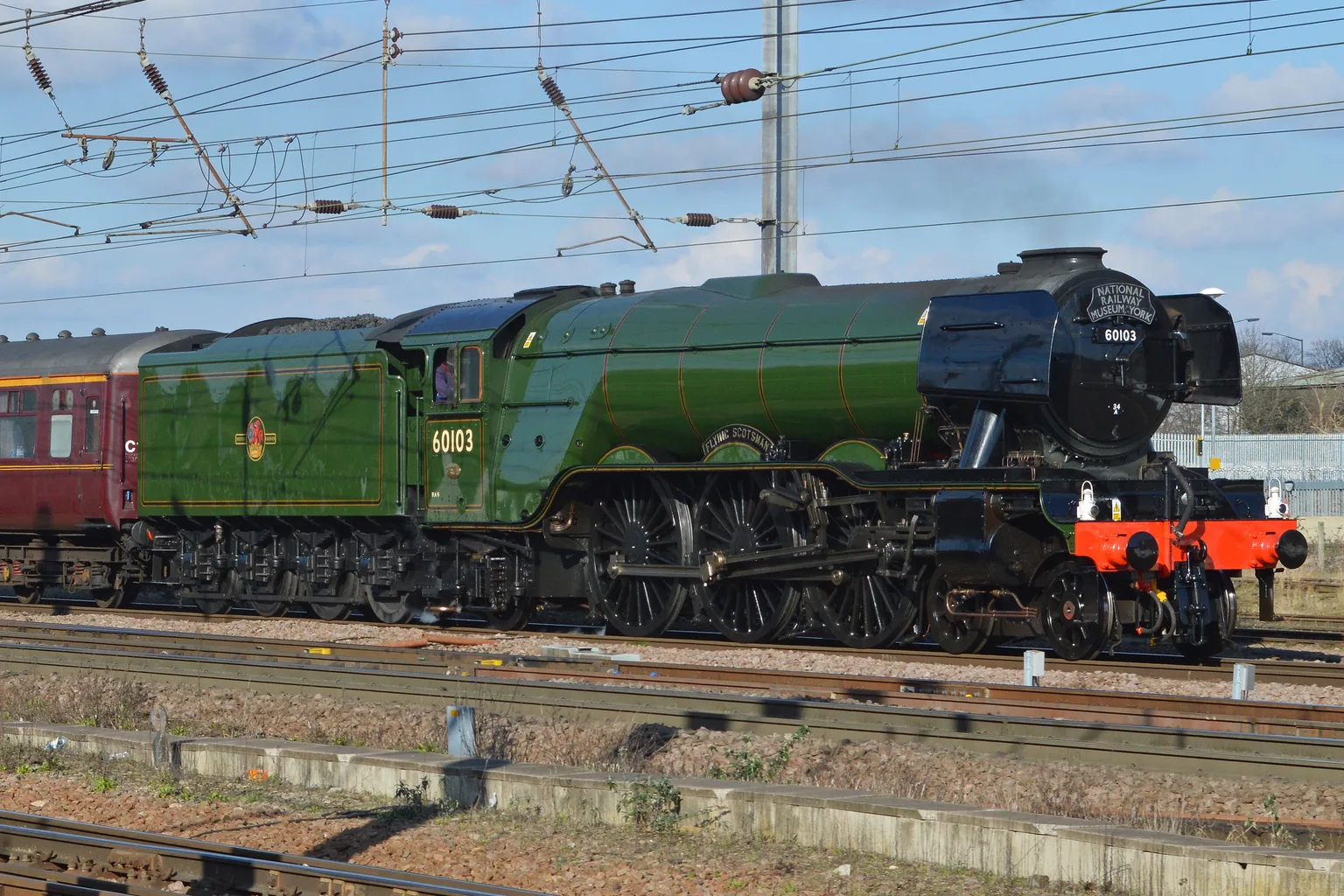
From the station it is approximately half a mile: walk down the drive, turn right along the road, then take the rough track, which is a public bridleway, down to the viaduct’s feet (conservation area archive). Steam crosses it too: West Coast Railways’ Dalesman was steam-hauled from Hellifield across the viaduct on its 2026 dates (West Coast Railways).
Photographing the viaduct
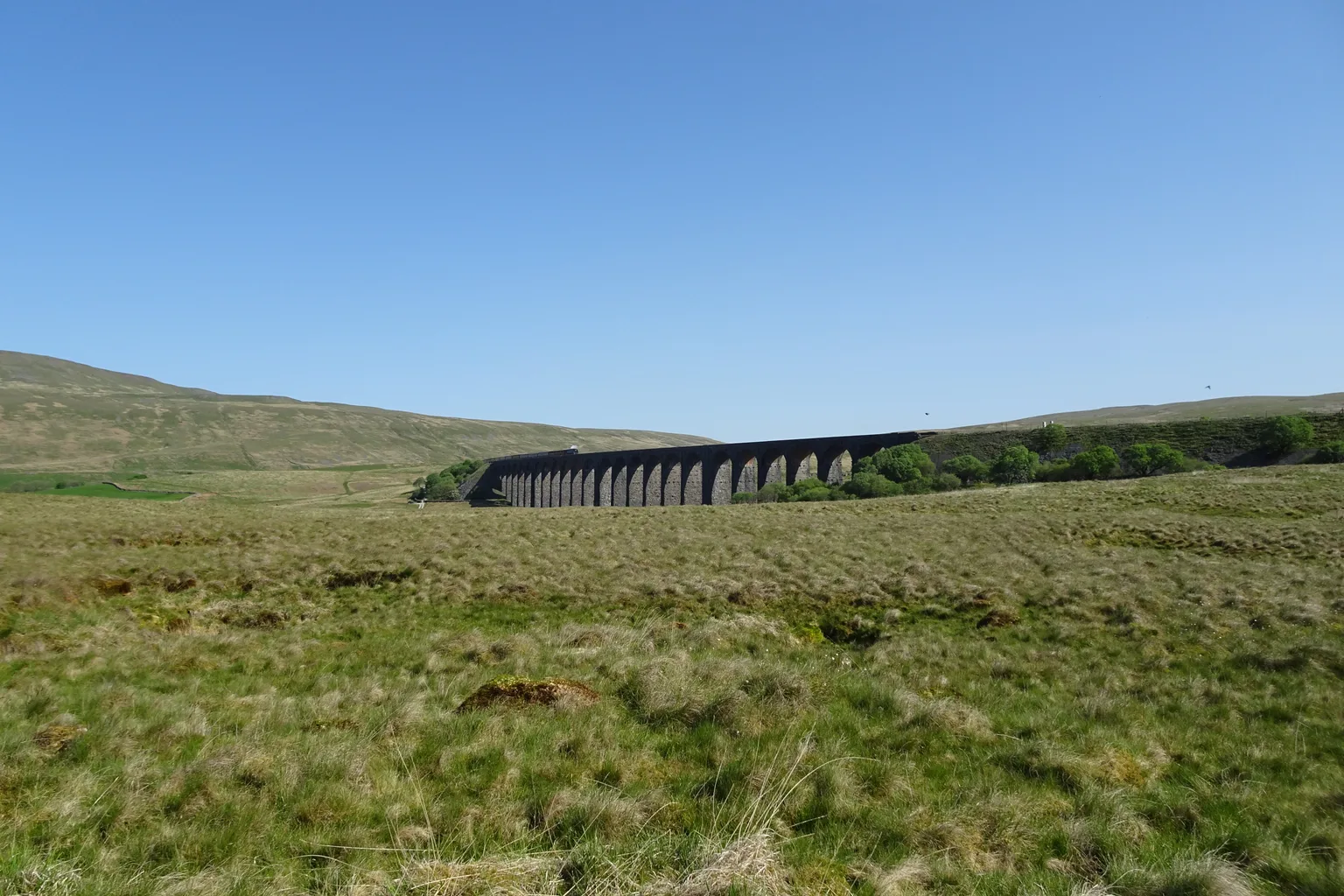
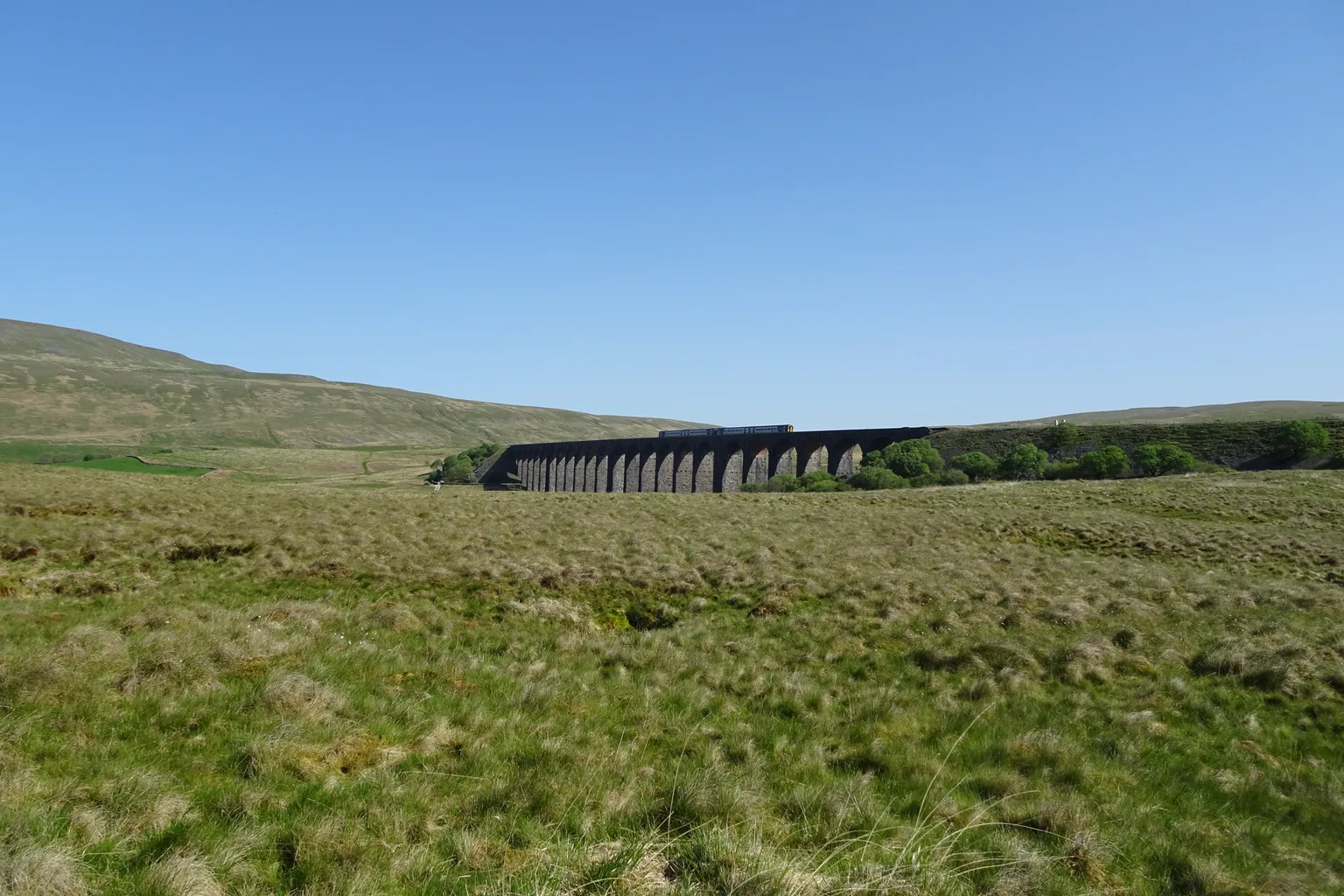
Keep to the bridleway and the open moor, and leave the drone at home: Network Rail says it is a criminal offence to fly a drone on, over or within 50 metres of the railway. That still leaves the classic view, low down on the moor with all 24 arches in a row, or from the station end with a train coming off the curve.
A photograph of a long viaduct carries well on a wide canvas or a framed print, because the arches give the eye somewhere to travel. Upload yours and see it as it is or in one of our studio styles before you choose.
Sources: Network Rail and British Transport Police on drones; Settle-Carlisle conservation area archive (read 21 October 2026).