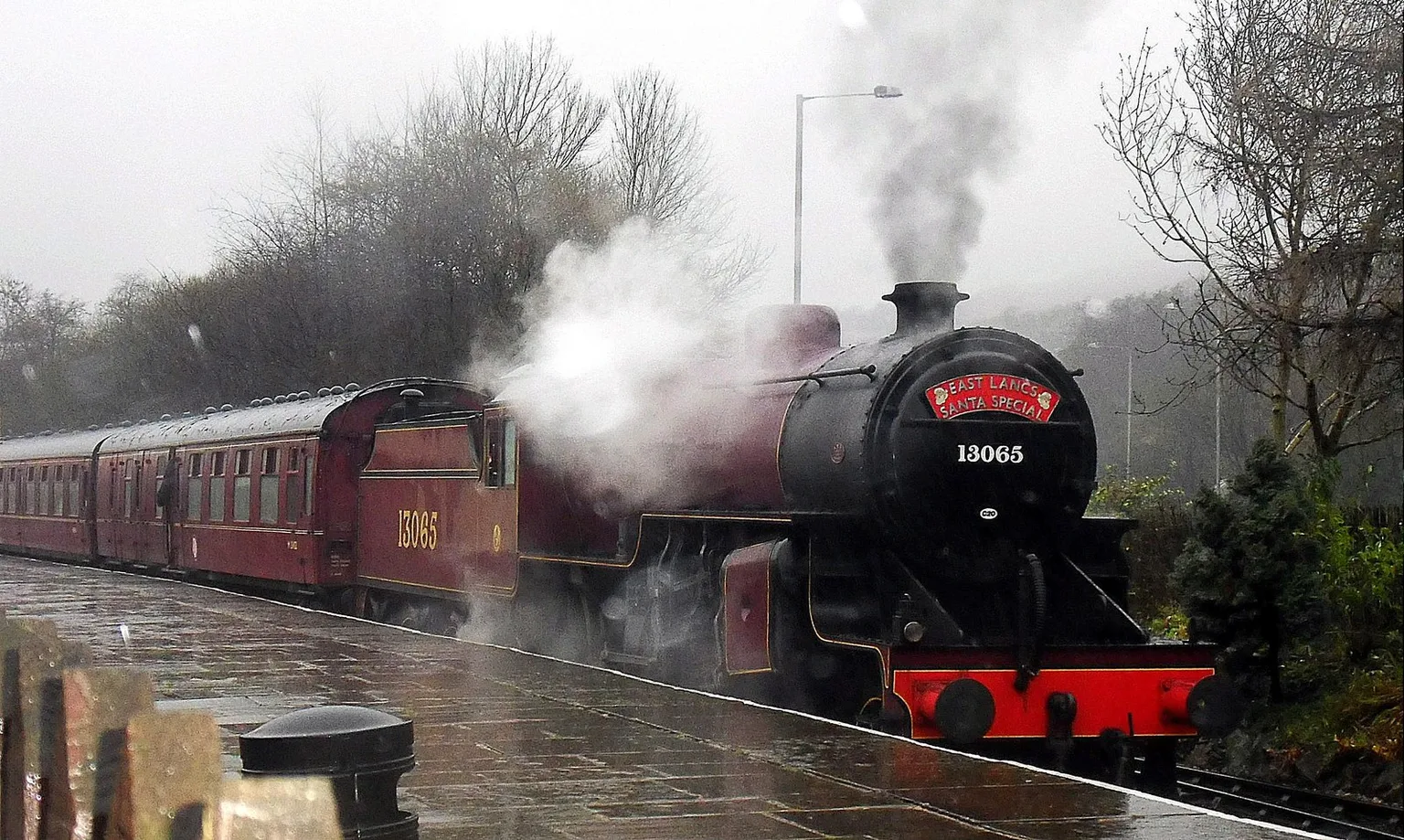
Built at Doncaster in 1923
The museum’s history page is the place to start: “Built in 1923 at Doncaster Works, costing £7,944”, and “It went into service on 24 February 1923 with number 1472” (National Railway Museum, read 21 October 2026). Sir Nigel Gresley designed it, one of his A1 class engines, and the museum says it was converted to an A3 class in 1947 (NRM, 28 January 2026).
The name came from a train before it belonged to an engine. The museum says the locomotive was named after the daily 10.00 London to Edinburgh rail service, and LNER notes that the service officially adopted the Flying Scotsman name in 1924 (LNER, 18 May 2026). So when someone asks how many Flying Scotsmans there are, the answer is one locomotive and one named train.
The numbers and the colours
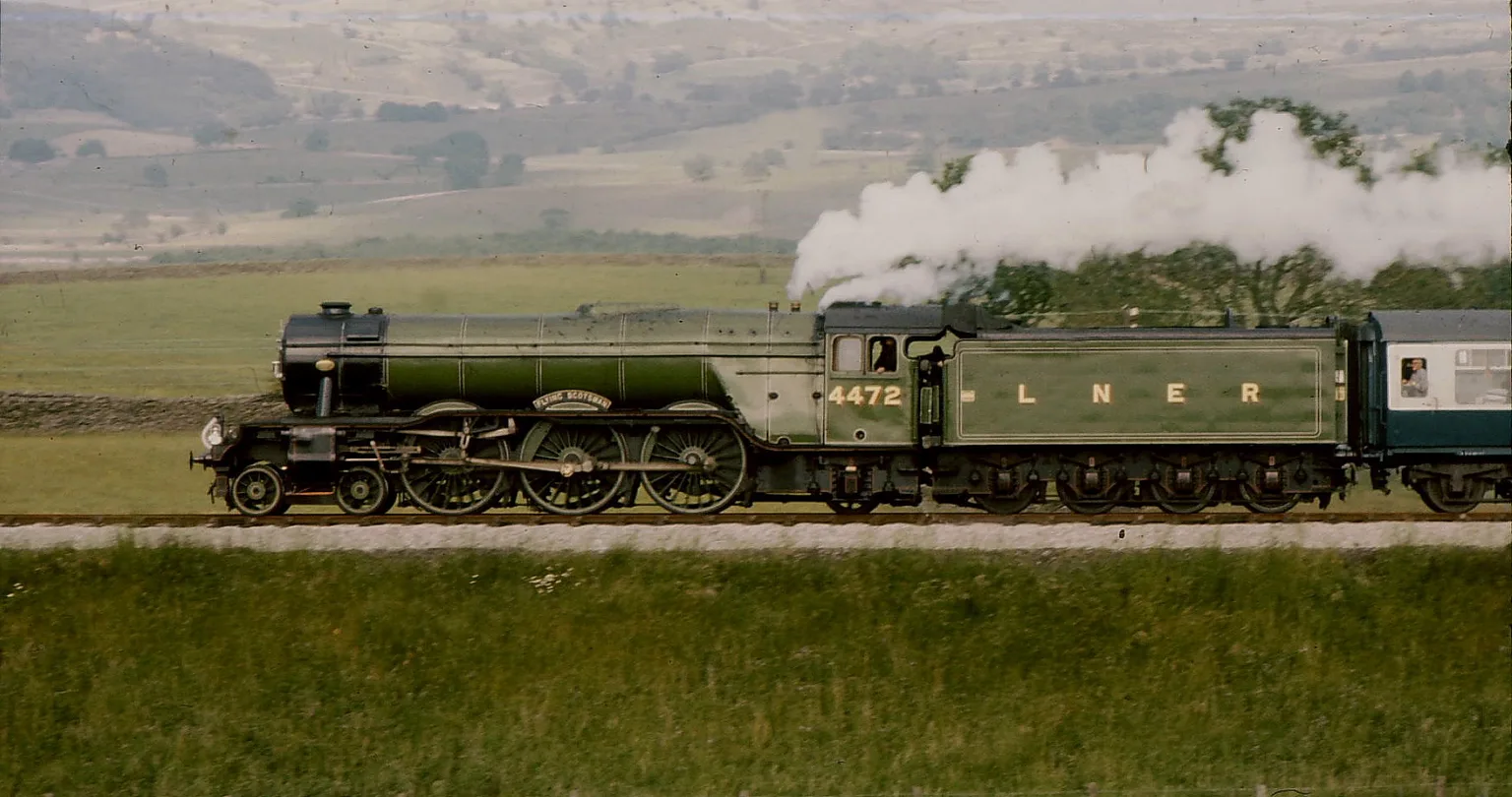
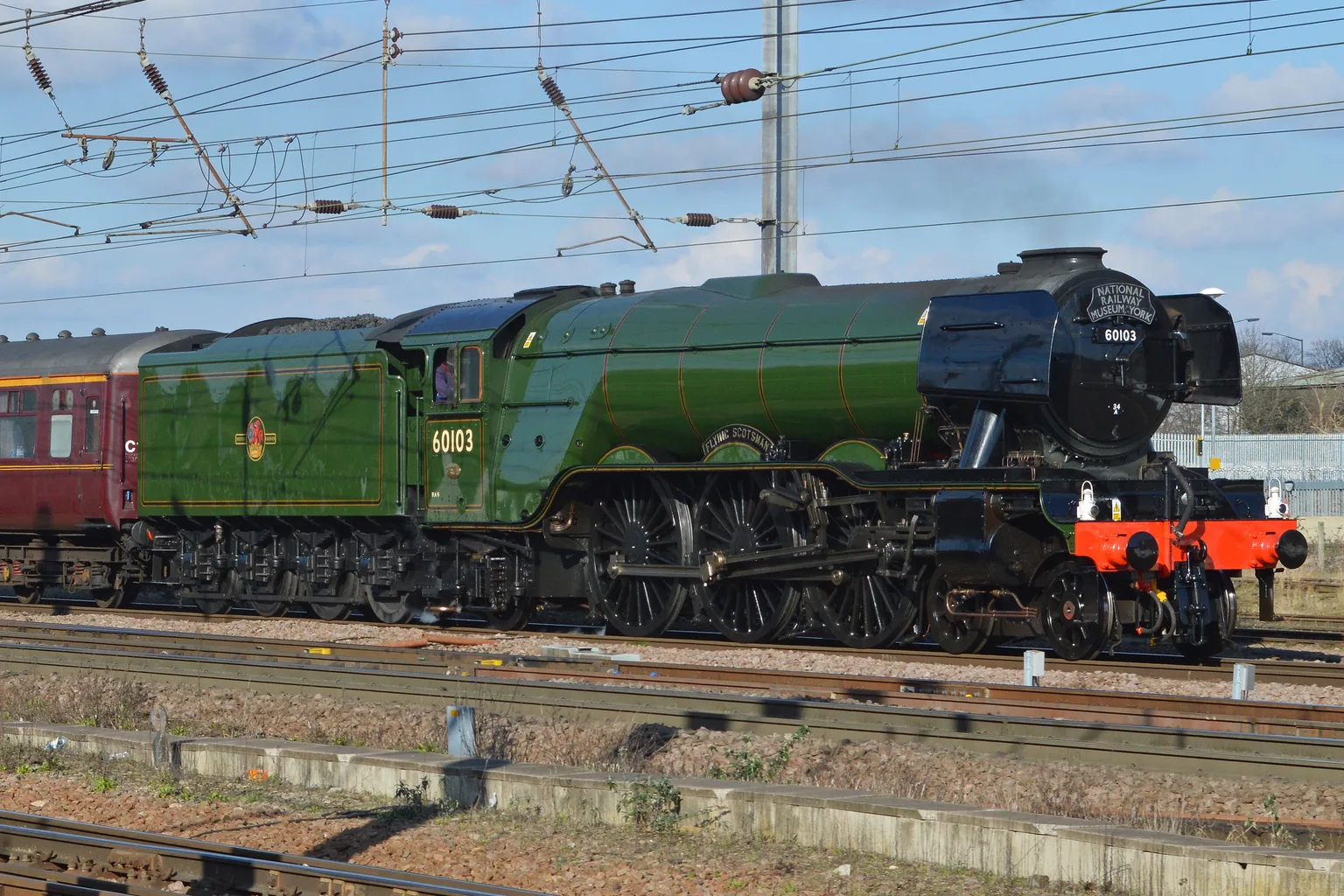
It has worn several numbers. It was renumbered 4472 in time for the British Empire Exhibition, and later, as 60103, it was painted blue for a time, then BR Green (NRM history). LNER passenger engines had always been painted Apple Green, and in the war it went wartime black like everything else. If you have a photograph of it, the number on the cab tells you roughly when it was taken.
Why it is famous
Three things, mostly. On 1 May 1928 it ran the first ever non-stop London to Edinburgh service. In 1934 a test run timed it at 100mph, and the museum calls it the first steam locomotive to officially reach 100 miles per hour (NRM 2026 tour release). Then it travelled: it went to the United States in 1969, and in Australia in 1989 it set a record for the longest non-stop run by a steam locomotive, at 422 miles.
Mallard, another Gresley engine, is the faster one: the museum says Mallard reached 126mph in 1938 (NRM Mallard page).
Who owns it now, and where it is
The museum states it has been “Owned by the National Railway Museum since 2004”. Before that, Alan Pegler bought it in January 1963, Pete Waterman bought a 50% stake, and Tony Marchington bought it outright in February 1996 (Science Museum Group collection). After a long overhaul it returned to the tracks in 2016, and the museum calls it the oldest mainline working locomotive on Britain’s tracks.
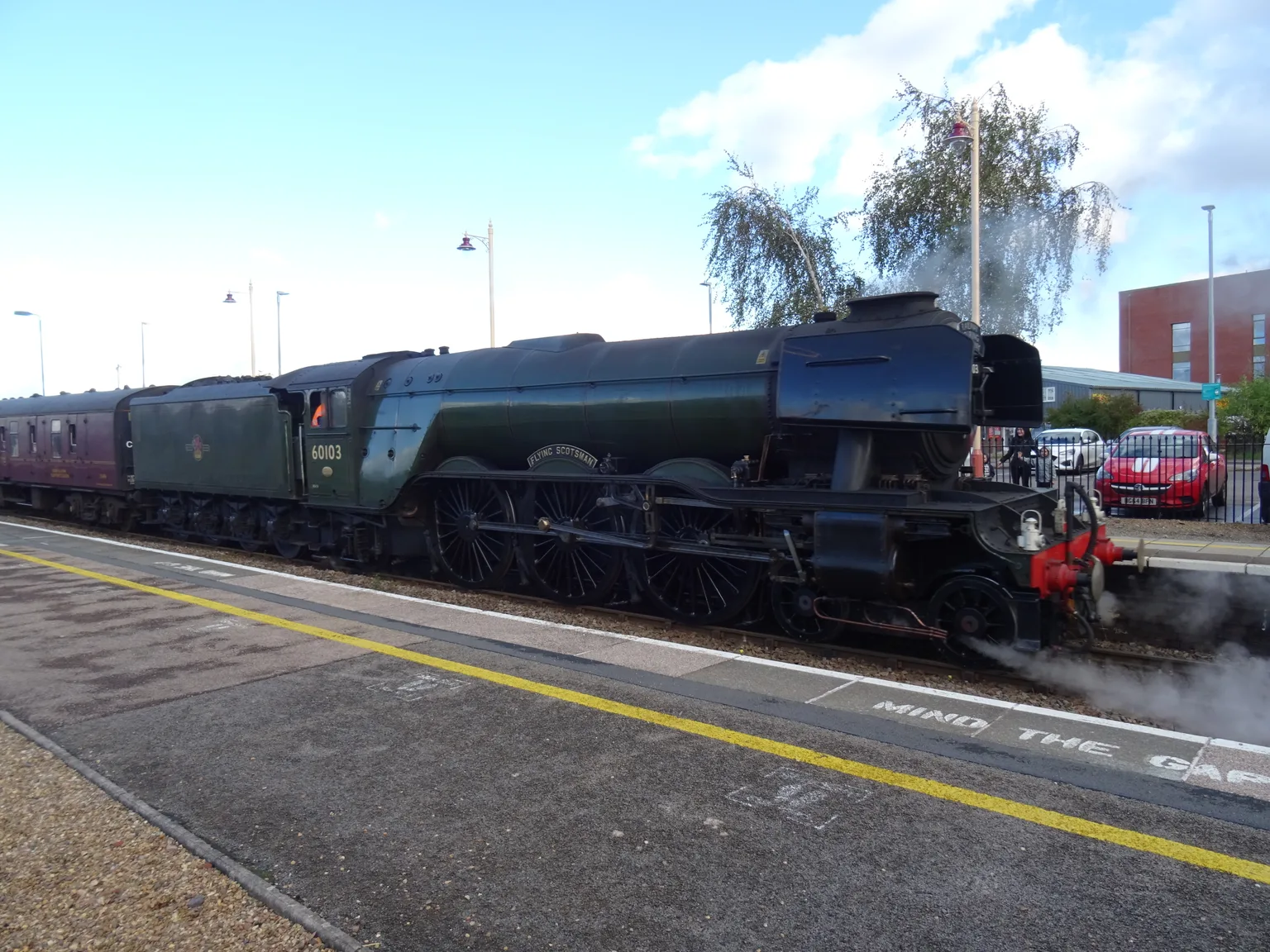
Where it is depends on the week. In 2026 the museum listed it on display at York from 28 March to 24 April, at the Great Central Railway in Nottingham from 16 to 31 May, at the East Lancashire Railway in June, and at Locomotion in Shildon in August, adding that all dates are subject to change. The museum also says it cannot guarantee Flying Scotsman’s location unless it is officially on display (NRM Flying Scotsman page), so check there before you travel.
Photographing Flying Scotsman
On a heritage line, the host railway sets the rules, so read its event page. On the main line, stand well back from the platform edge, and note that Network Rail’s station guidance says flash photography is not allowed at any time. A side-on shot with the number readable is the one people frame, and it prints cleanly on metal or as a framed print.
Sources: National Railway Museum 2026 tour; Network Rail station photography guidelines (read 21 October 2026).