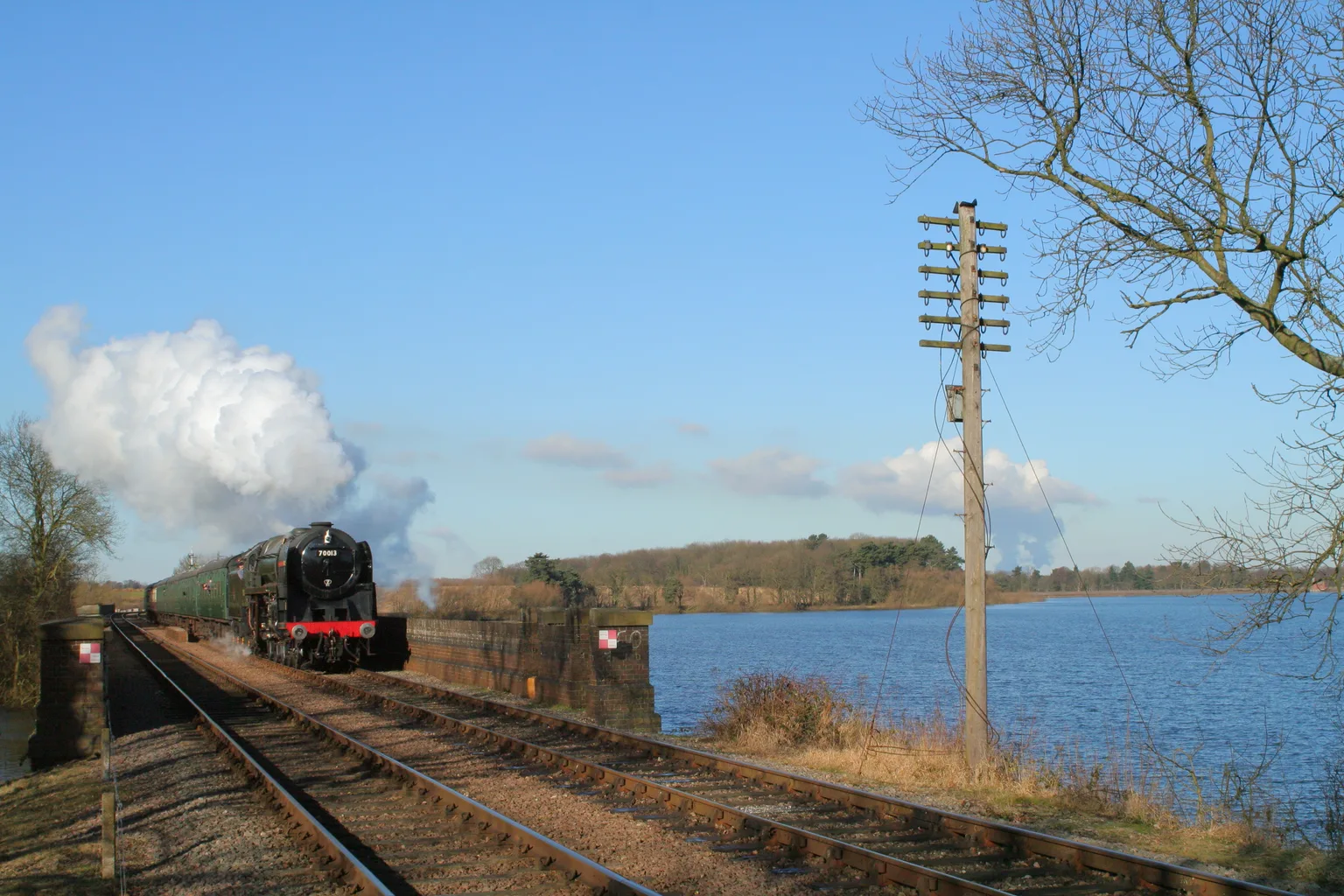
The Ffestiniog, since 1832
The Ffestiniog Railway was “incorporated by Act of Parliament on 23 May 1832”, on a gauge of 23.5 inches, “just short of 2 feet” (Ffestiniog history). Steam arrived when Princess and Mountaineer were delivered in July 1863, and the operator says its passenger trains of 1864 were “the first on a narrow gauge in Britain”. It also describes Boston Lodge as “the oldest continuously operating railway engineering works in the world”.
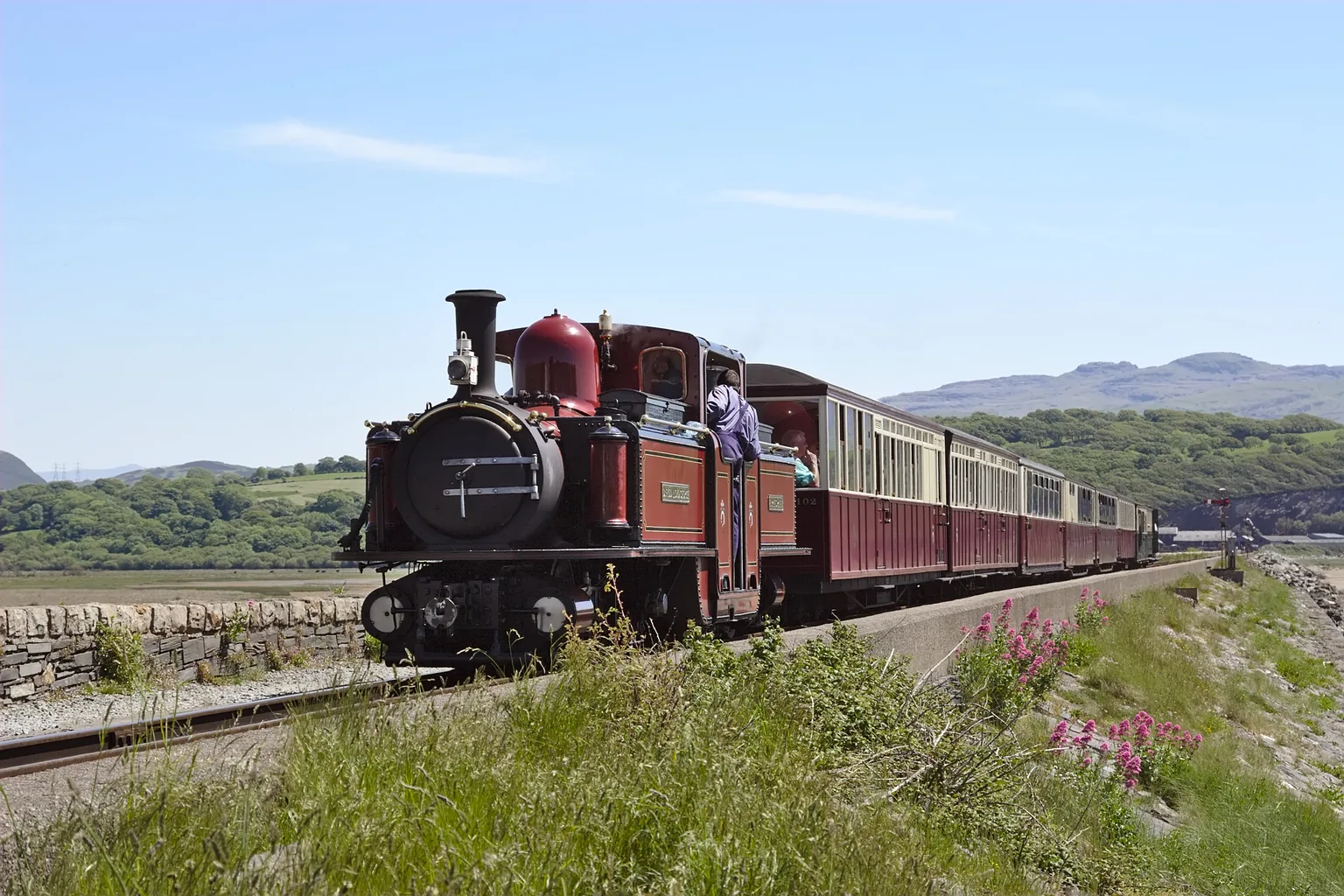
Closure and the long way back
The line closed on 1 August 1946. On 23 July 1955 a passenger service started again from Porthmadog across the Cob to Boston Lodge, and the rebuilding went on for decades: a new Moelwyn Tunnel was completed in 1977, and trains reached Blaenau Ffestiniog again on 25 May 1982 (same page).
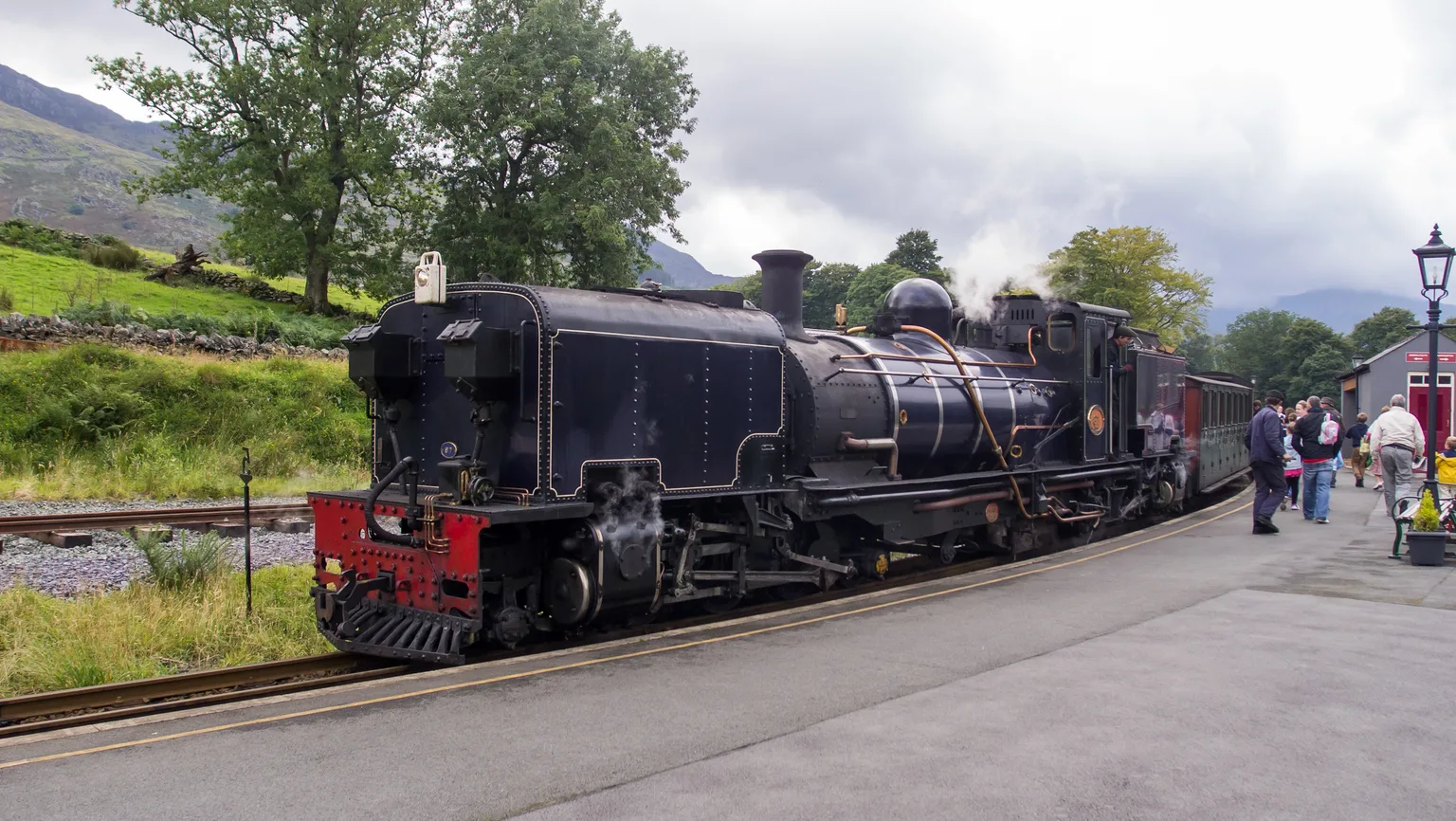
The Welsh Highland
The Welsh Highland Railway opened throughout in 1923 and saw traffic suspended from 1 June 1937; the rebuilt line finally reached Porthmadog in 2011 (Welsh Highland history). The operator calls the 26-mile line “the UK’s longest heritage railway”. Its Garratt locomotives are the big engines on the line, and the operator credits No. 138 as the first Garratt to work on the new line in the 1990s (locomotives page).
Engines with a record
Prince, of 1863, is described by the operator as the world’s oldest operating steam locomotive still running on its original railway, and Merddin Emrys was the first locomotive built at Boston Lodge, in 1879 (Ffestiniog and Welsh Highland Railways).
Gravity trains and the double Fairlie
For its first thirty years the Ffestiniog had no engines at all. The line was graded so loaded slate wagons could run downhill by gravity all the way from Blaenau Ffestiniog to the port, at about 1 in 80 for much of the way. Horses hauled the empties back up, and on the way down they rode in their own little wagons, called dandies.
Steam came in 1863, and in 1869 the first double Fairlie: an engine that looks like two locomotives joined back to back, with a cab in the middle. It’s still the picture most people have of this railway. In 1872 the line ran the first bogie carriages in Britain, Nos 15 and 16, and both are still in service. The rescue began on 24 June 1954, when Alan Pegler and the volunteers took control of the company; he later handed it to the trust that runs it today, without any personal gain (Wikipedia).
Planning the day
The Mountain Spirit, a 27-mile return journey, was listed at £49.75 for an adult, before a 6% online booking fee (Mountain Spirit page). Dog tickets are £5.00, and parking at Porthmadog is free for railway passengers in the marked section (FAQs).
The deviation and the season
The rebuild needed a new route at the top of the line: the deviation opened on 24 June 1978, the year after the new Moelwyn Tunnel was finished (Ffestiniog history). Today trains run daily from late March to the end of October (Ffestiniog and Welsh Highland Railways). Wheelchair spaces are limited and must be pre-booked (accessibility page), and at Caernarfon there are no parking facilities at the station (FAQs).
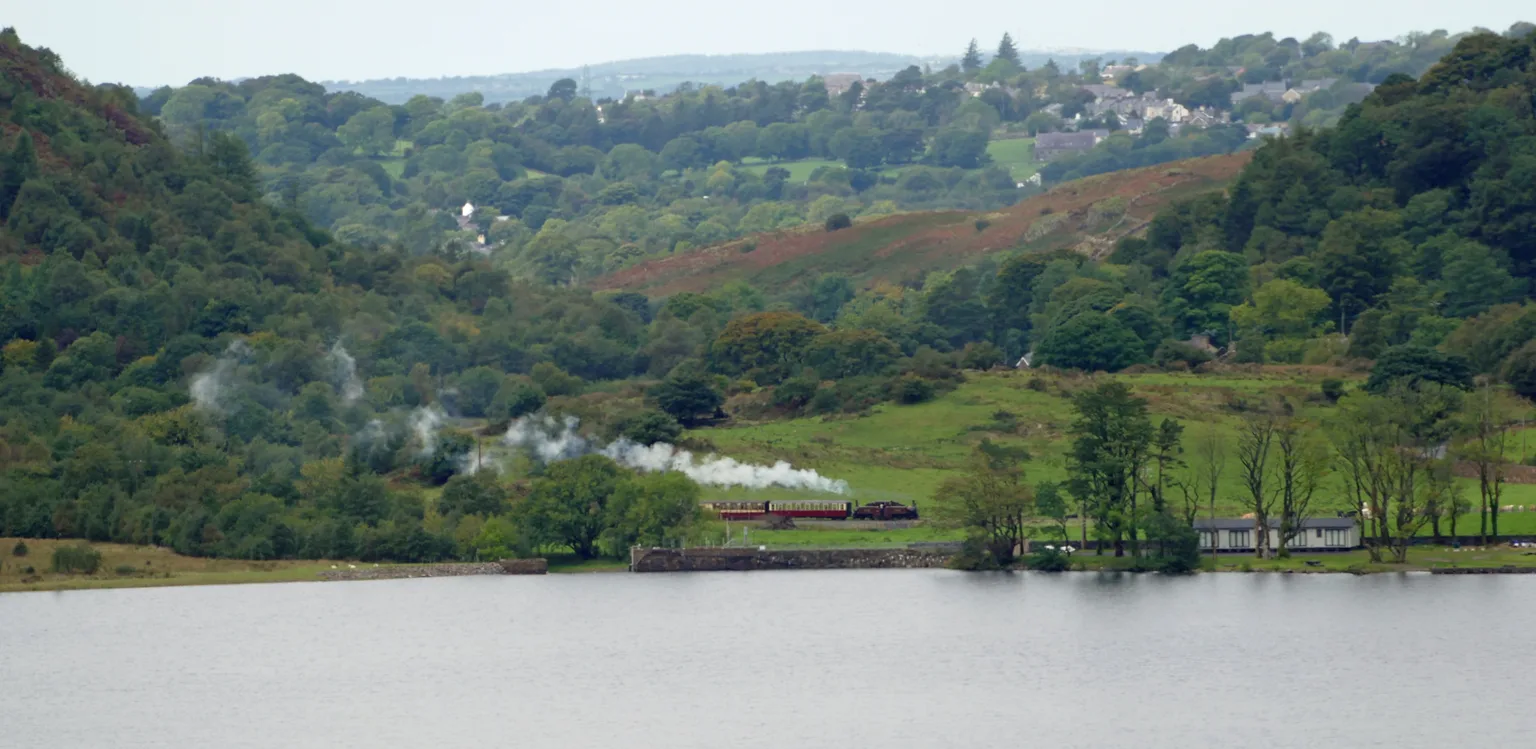
Photographing the line
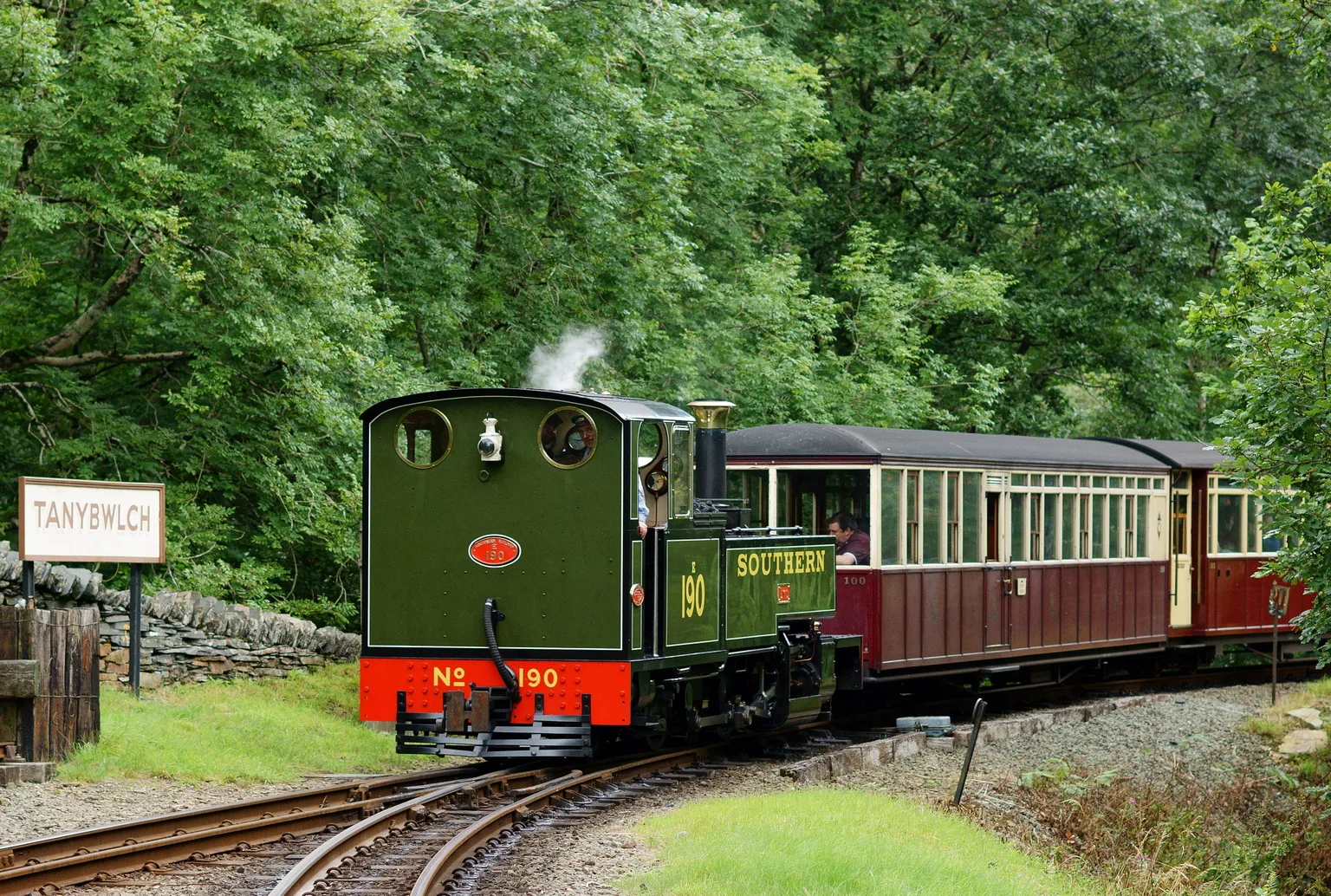
Nothing we read on the Ffestiniog and Welsh Highland site covers lineside access, so keep to the stations and the public paths. The Cob at Porthmadog is a good place to see a train against the hills, and Tan-y-Bwlch puts you among the trees.
Brought a picture home from the trip? Order it plain, or see how it looks in a studio style beforehand.