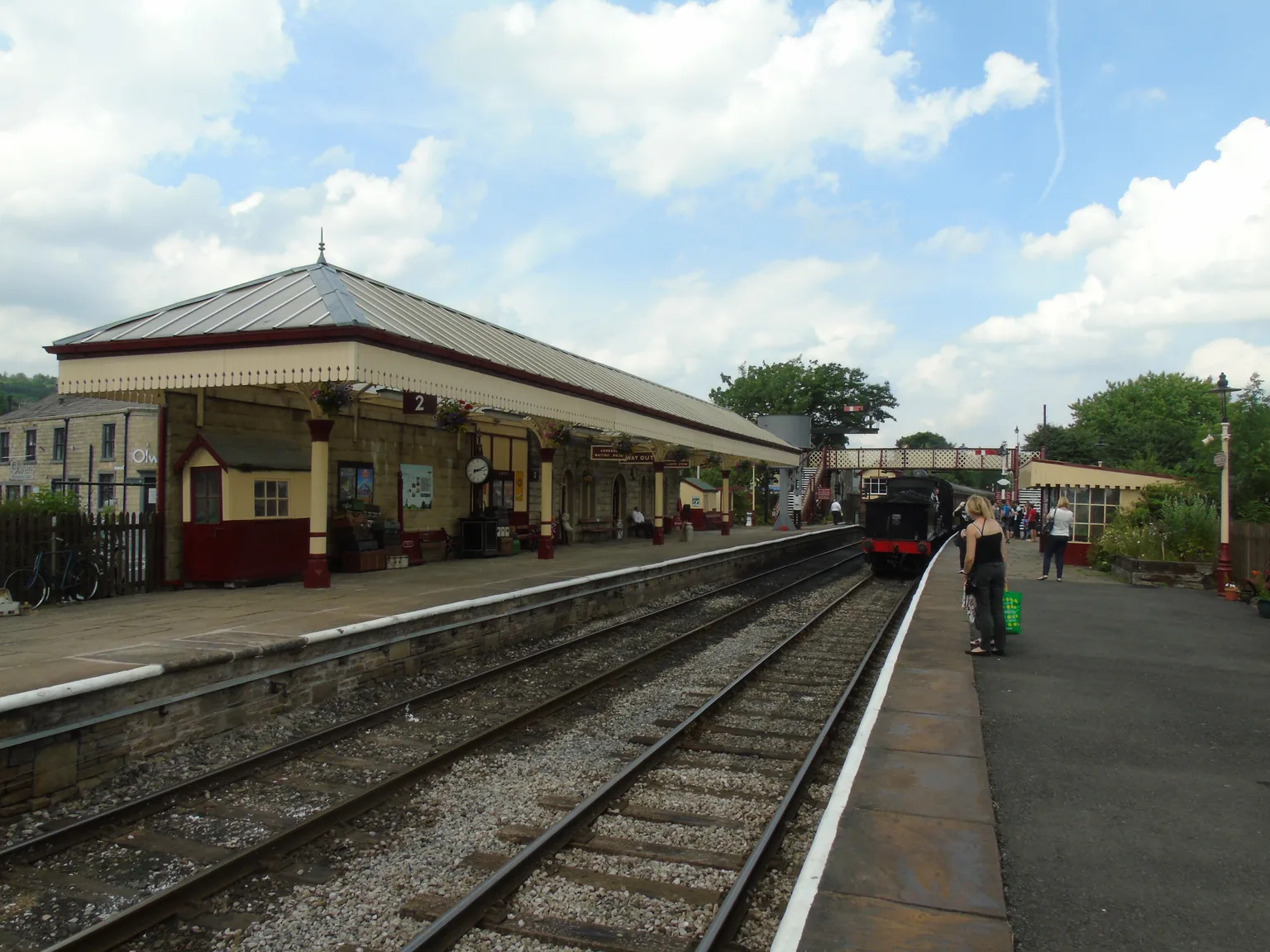
Thirteen and a half miles, fifteen inches wide
The railway gives the full length as 13 and a half miles, about 1hr 5mins one way on its Green or Pink timetable (RHDR FAQs, read 21 October 2026). The track starts in the Cinque Port town of Hythe and runs through New Romney to Dungeness (history and heritage). The trains run on rails only 15 inches apart, and all of its steam locomotives were built between 1925 and 1937 (locomotives page).
The railway calls itself the Smallest Public Railway in the World. That is its own description. Its engines are built to a third of full size, so they look like main-line locomotives shrunk down.
Captain Howey’s railway
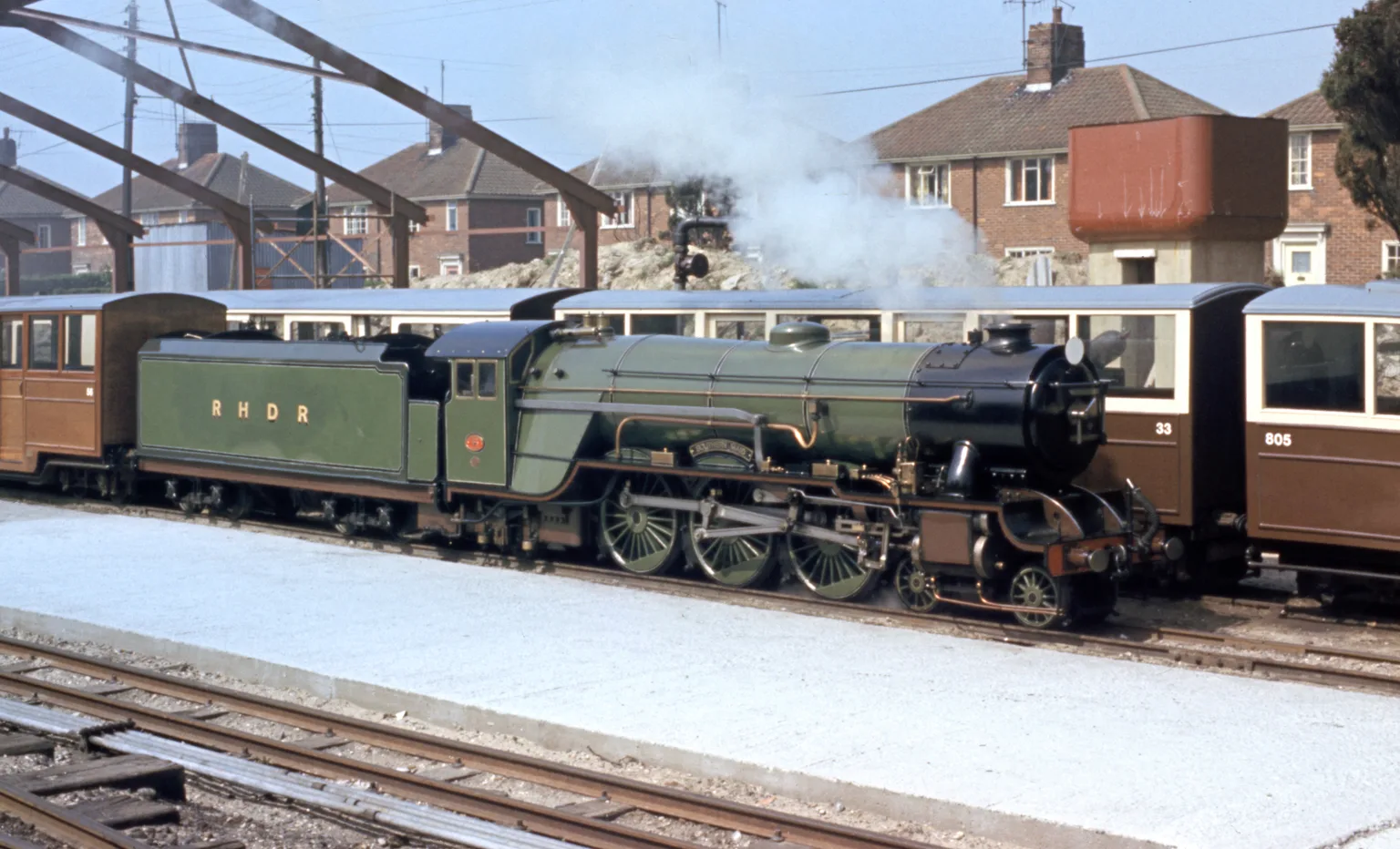
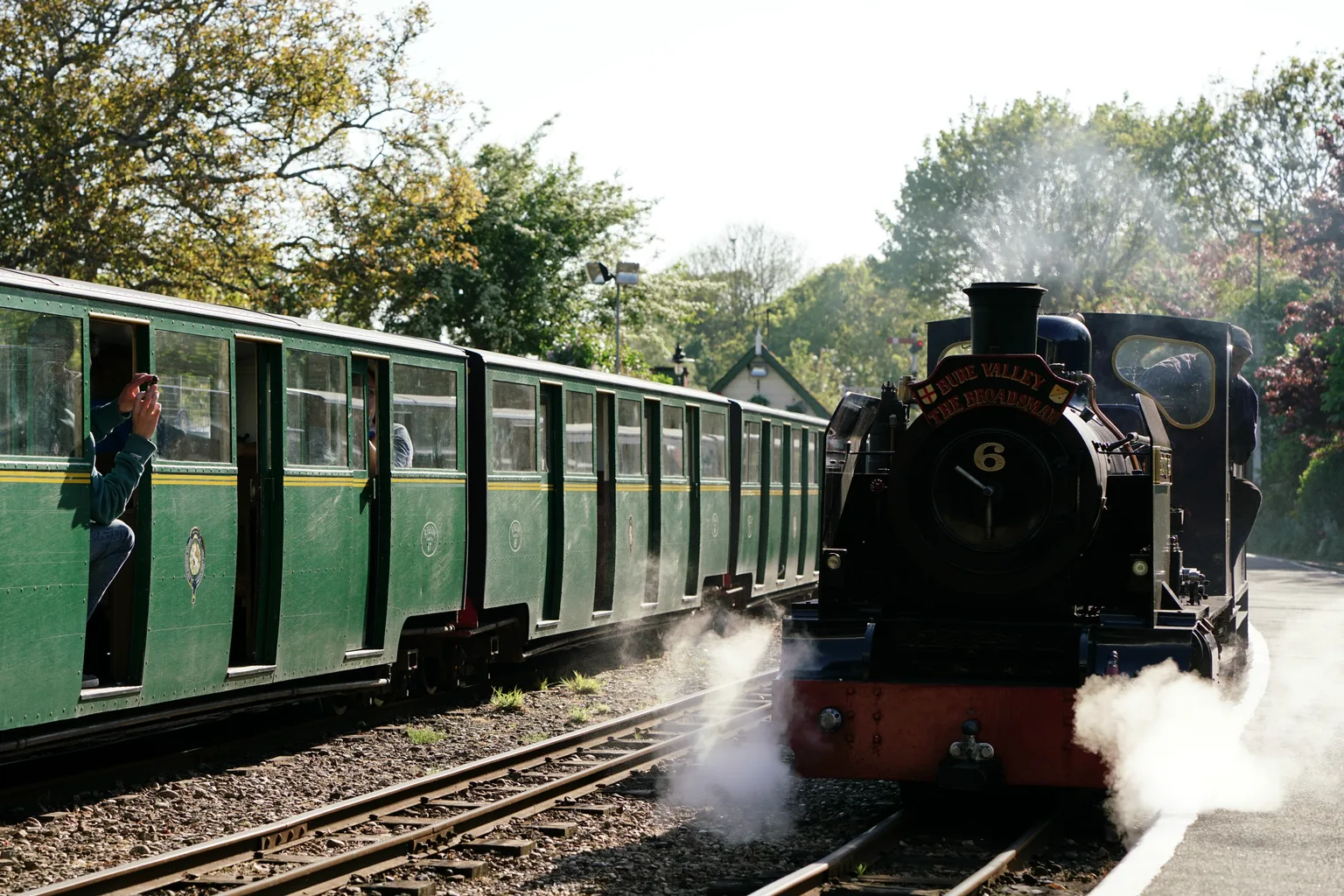
The line was “the culmination of the dreams of Captain J. E. P. Howey”, the railway says, and its history also names Count Louis Zborowski, a well-known racing driver of his day. The official opening took place on 16th July 1927, with Hercules hauling that first train from Hythe to New Romney, and in 1928 double tracks carried the trains to Dungeness. In the Second World War the line was requisitioned by the War Department, and it ran what the railway calls the only miniature armoured train in the world (RHDR history).
Planning the day
An adult Romney Rover was listed at £30.00 (fares, read 21 October 2026). By train, high speed services from London St Pancras reach Ashford International and Folkestone Central in under 1 hour, and regular buses run from Folkestone Central to Hythe station. Driving, the car parks at Hythe, Dymchurch and New Romney are Pay on Exit with number plate cameras (how to find us).
Photographing the line
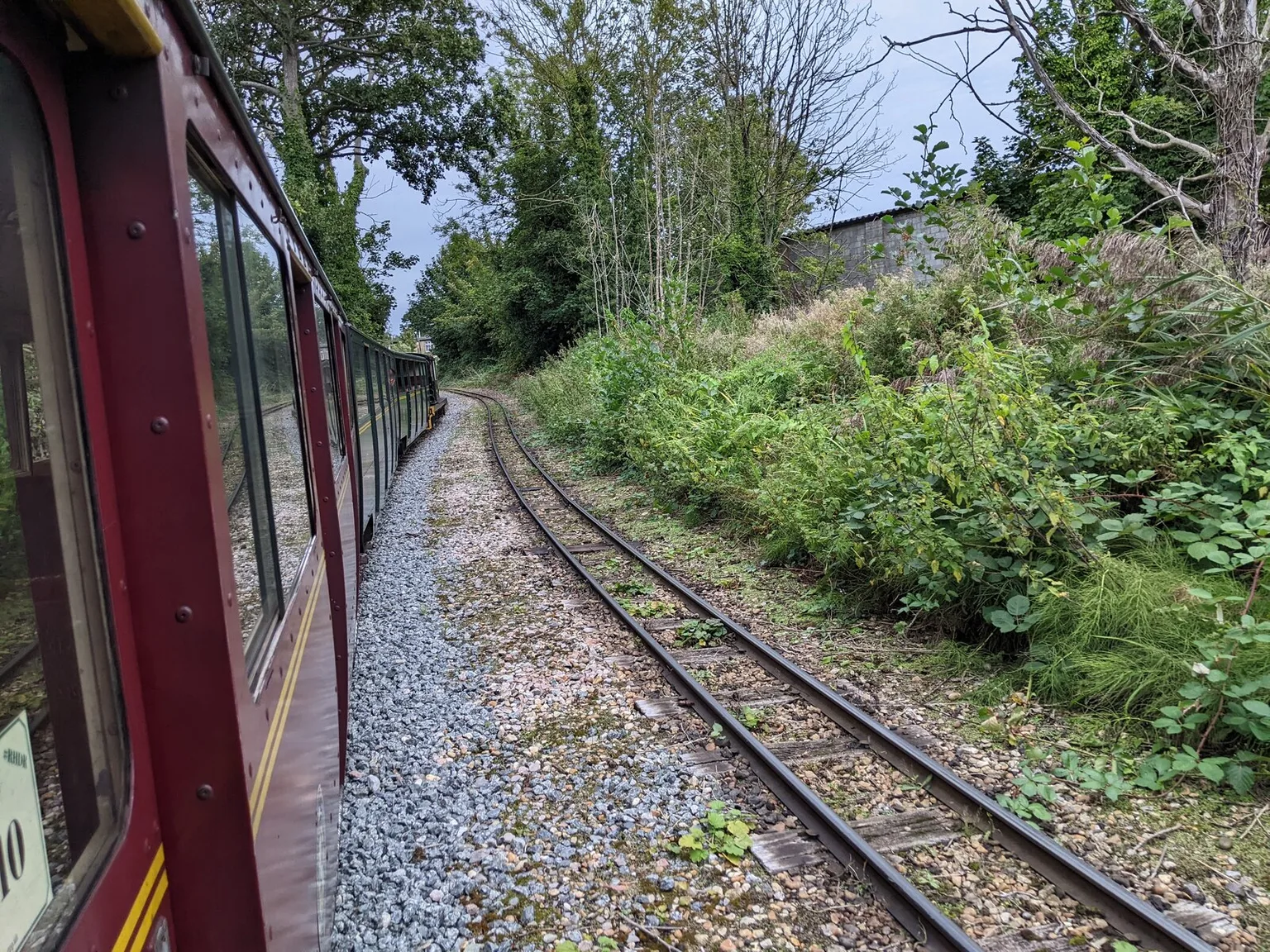
The pages we read name no lineside permit scheme and no public viewpoints, so the stations and public footpaths are the places to stand. The stations are part of the interest: Hythe station was considered for listing in 2017, and Kent’s historic environment record notes the decision was taken not to list it. The engines are best caught side-on at a platform, where the small scale shows next to people.
A photograph from a day like this sits happily on a mug or a small canvas for a child’s room. Upload it as it is, or try it in a studio style first.
Sources: Kent Historic Environment Record; RHDR (read 21 October 2026).