The line and its four stations
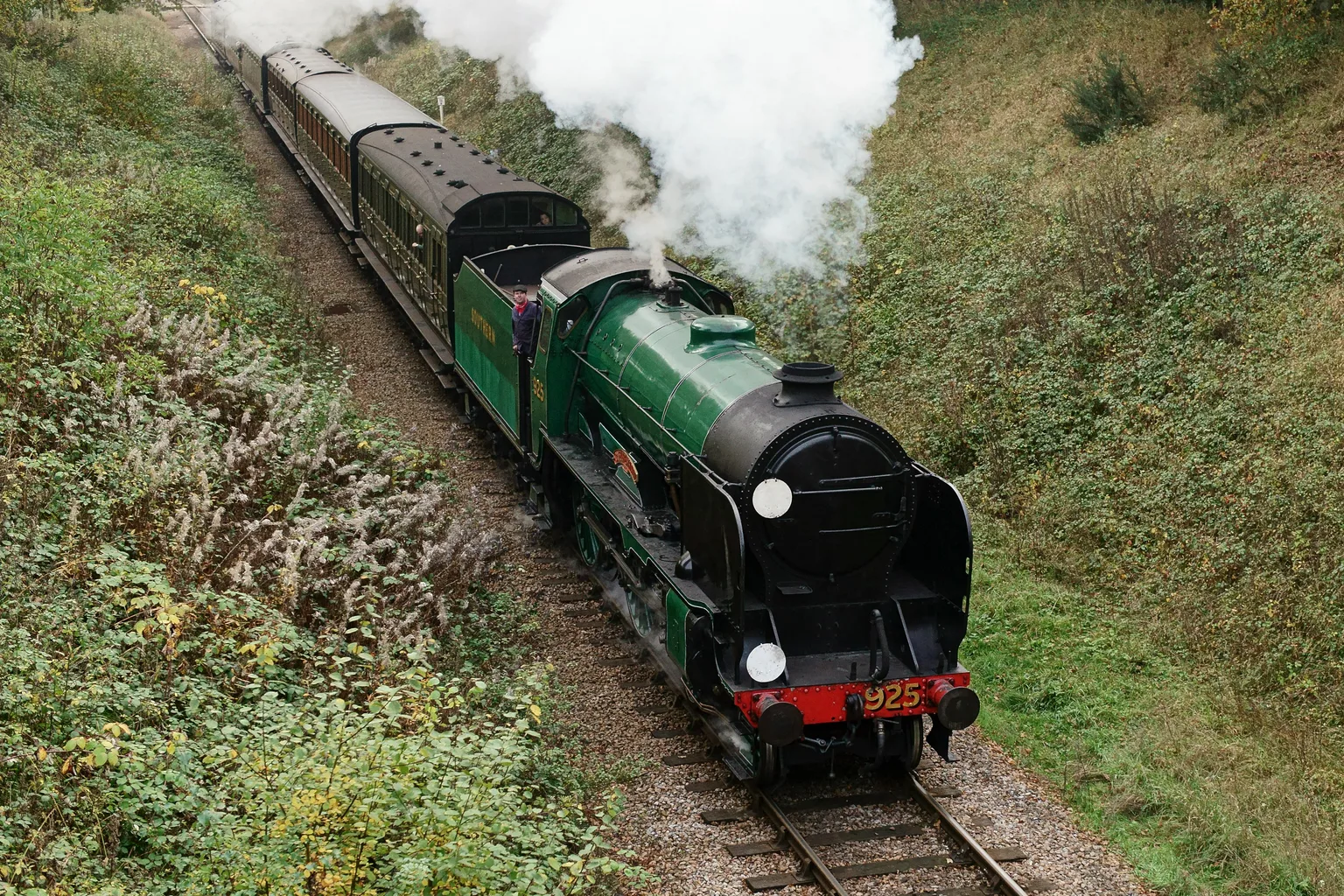
The railway “runs across 11 miles from Sheffield Park to East Grinstead in Sussex” (Bluebell Railway, read 21 October 2026). Between those two termini are Horsted Keynes and Kingscote, and the operator presents each station in a different era, “from Victorian to the 1950s” (about the Bluebell).
Closed, reopened, closed again
The line opened in 1882. British Railways closed it with effect from 28 May 1955, was then forced to reopen it on 7 August 1956, and closed it for good on 17 March 1958 (the railway's own history pages, read 21 October 2026).
The Bluebell takes over
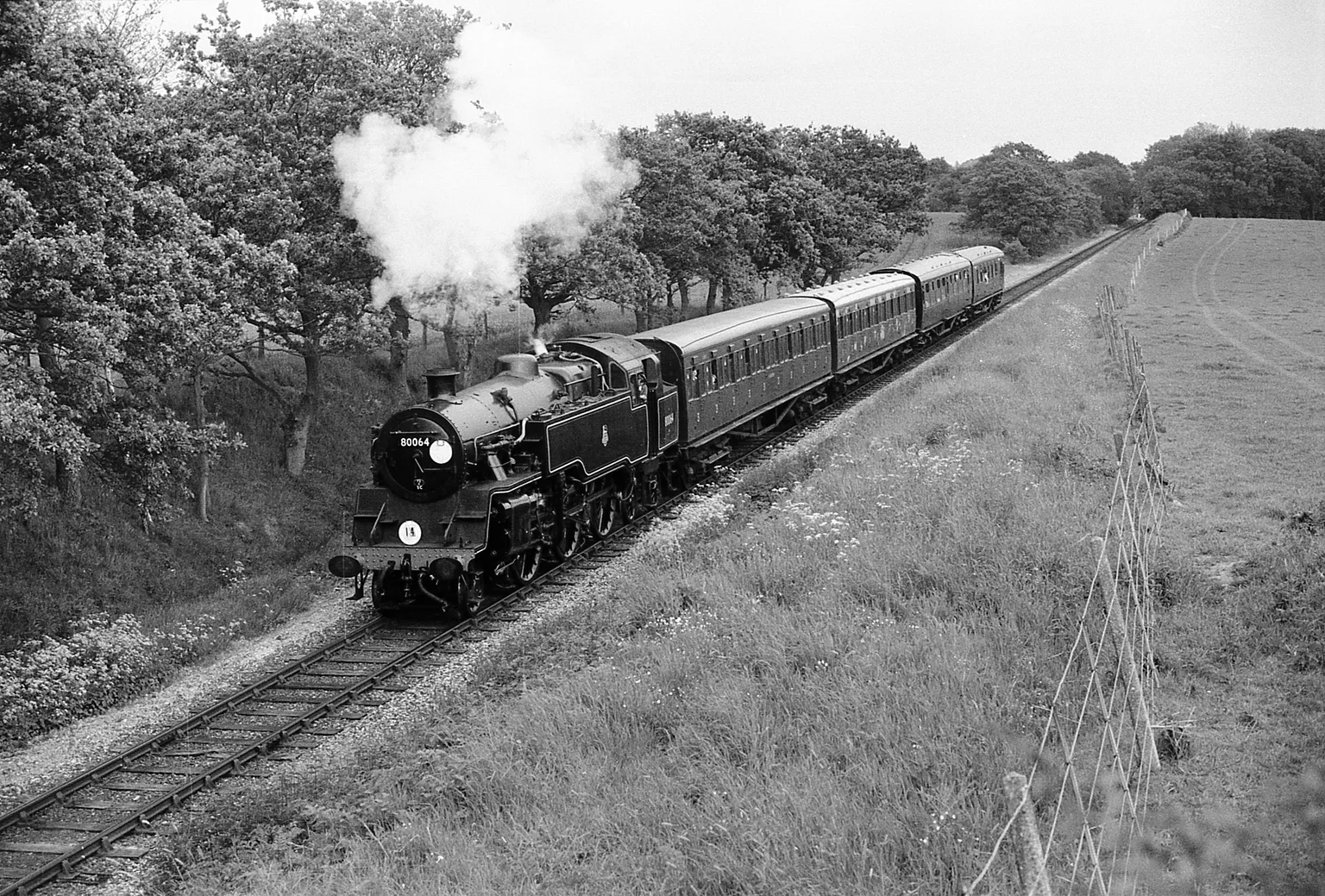
Volunteers “commenced services in August 1960” (Bluebell Railway). The line was reopened to Kingscote in 1994, and the extension to East Grinstead opened on 23 March 2013 (extension history).
Tunnel, viaduct and listed buildings
West Hoathly Tunnel is 731 yards long (Bluebell permanent way notes). On the approach to East Grinstead the line crosses Imberhorne Viaduct, listed Grade II, which its list entry describes as “ten 70' segmented arches with length of 700' and maximum height of 90'” (list entry, read 21 October 2026). Horsted Keynes station is listed too, Grade II (list entry).
Sheffield Park and the 2026 calendar
Sheffield Park, the southern end, is restored to the Brighton era of the 1880s and holds the museum, the shop and SteamWorks! (Sheffield Park station page). For 2026 the railway announced a Spring Steam Gala from 20 to 22 March, a Diesel Gala from 4 to 6 September and Giants of Steam from 16 to 18 October (Bluebell 2026 dates). Lineside photography is by permit for society members only; the railway names no public viewpoints, so stick to the stations and public paths.
A line found in the small print
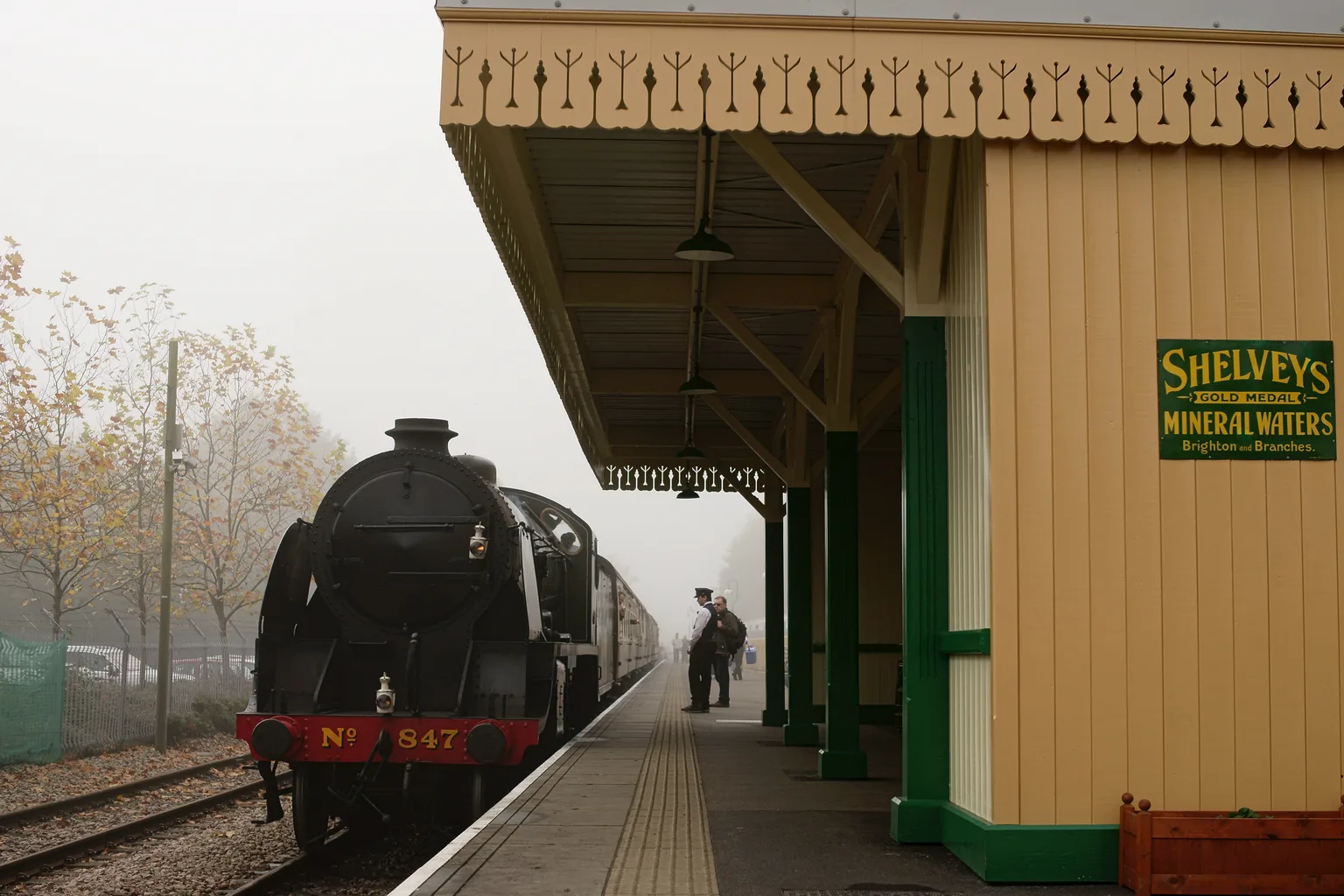
The railway's history pages name the Earl of Sheffield among the line's promoters, and credit Miss Bessemer with finding the “Statutory Line” clause that forced British Railways to reopen it in 1956 (Bluebell history, read 21 October 2026). The preserved railway calls itself “one of the first preserved heritage lines in the country” (about the Bluebell). Sheffield Park is restored to the 1880s and Kingscote to British Railways in the mid-1950s (the stations), and Horsted Keynes has an award-winning carriage works viewing gallery (Horsted Keynes page).
Planning the day
An adult rover was listed at £27 in advance or £30 on the day, for unlimited travel on standard running days (Bluebell fares, read 21 October 2026). By train, you change at East Grinstead between the Southern and Bluebell stations; there is no road access or parking at Kingscote (how to get here). The Bessemer Arms at Sheffield Park serves food through the day, and the Golden Arrow and Sussex Belle are the dining trains (refreshment options).
Photographing the line
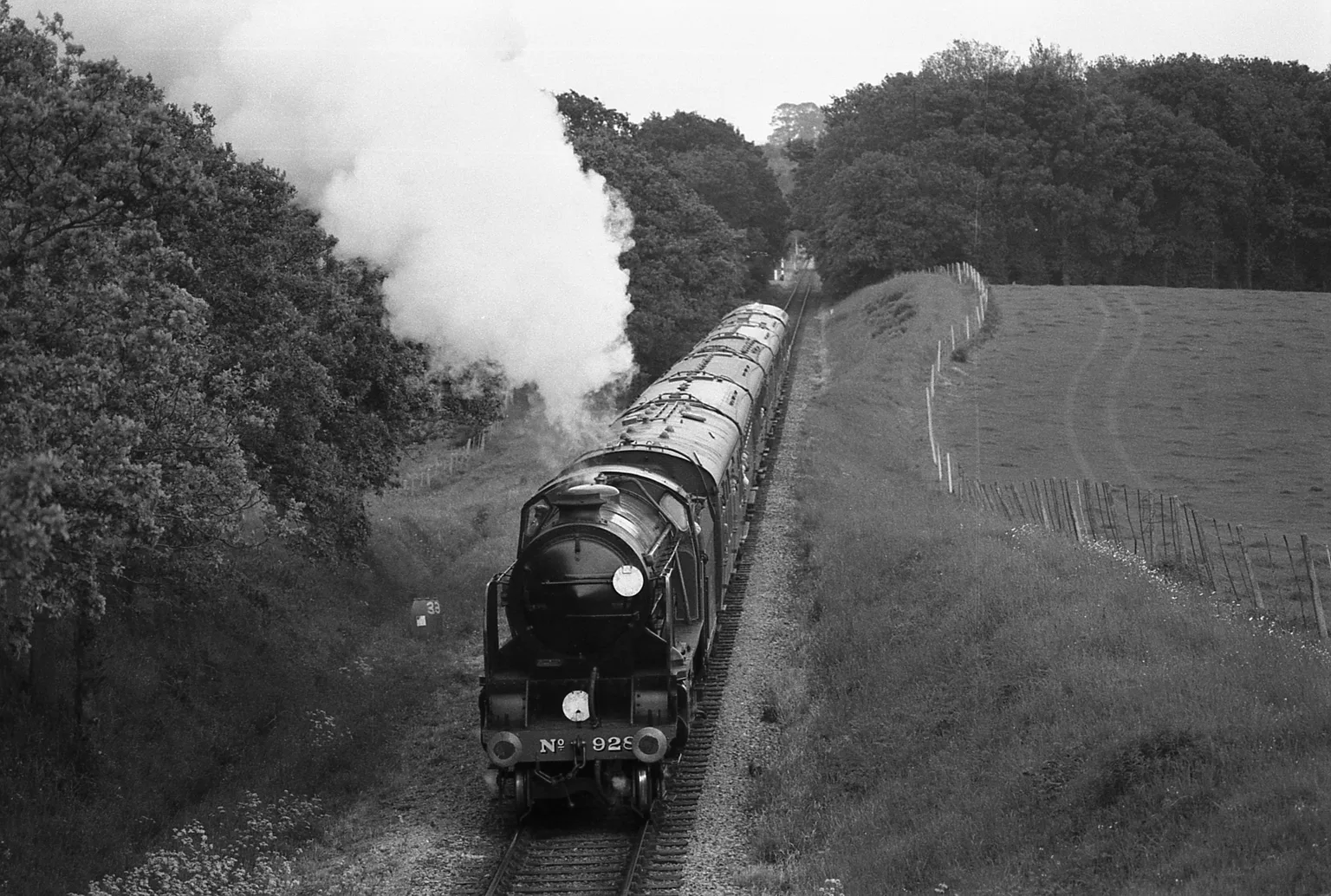
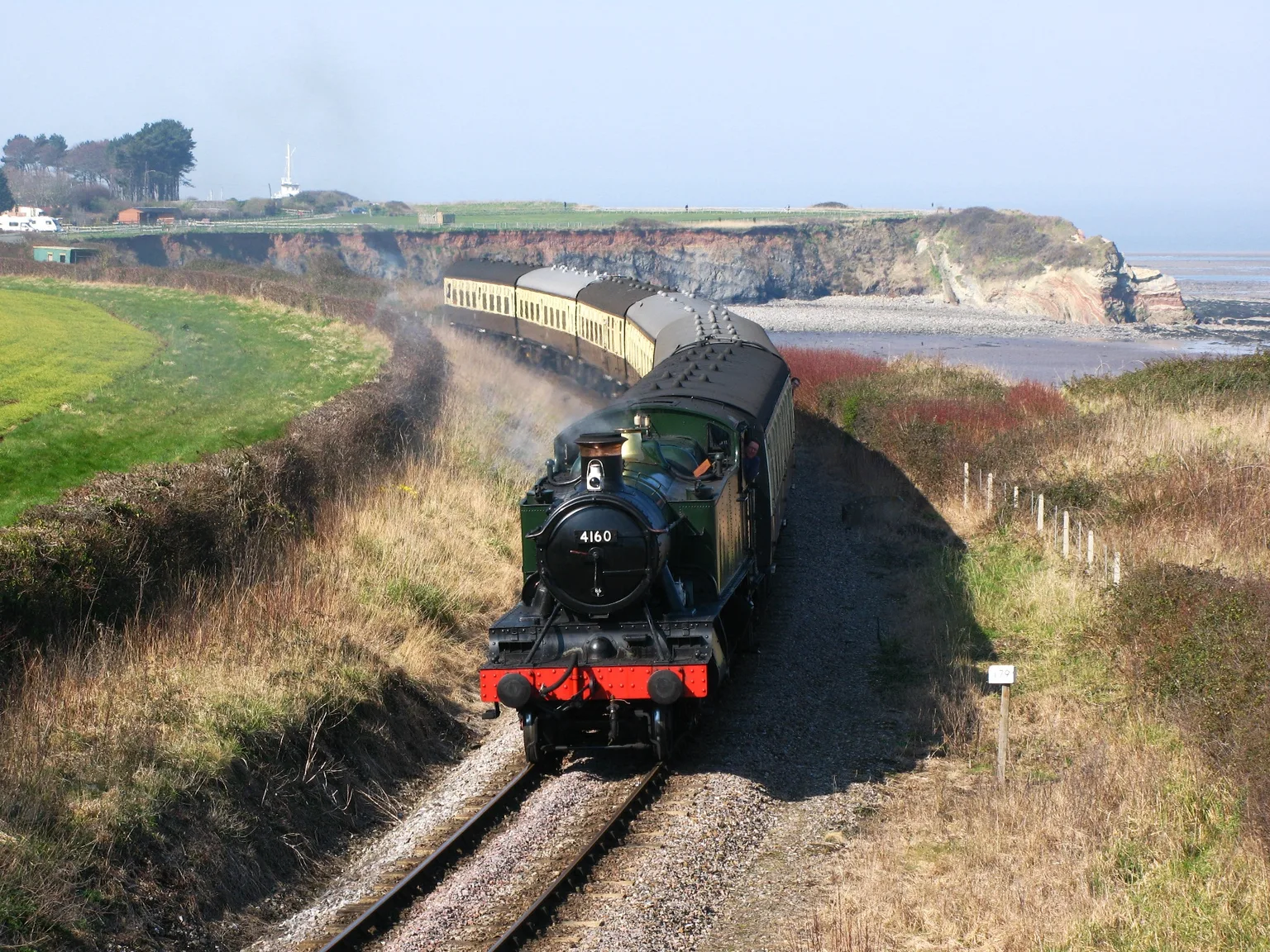
Want to stand by the line? The Bluebell runs a lineside photography permit for members of its preservation society: it costs £150, lasts a year, and you need to be 16 or over. Without one, stick to the stations and public paths. Drones are out: the railway asks that none fly from its property or within 50 metres of it.
Sources: Bluebell lineside photography; Bluebell drones page (read 21 October 2026).
Proud of a photograph from the lineside? Print it as it is, or preview it in five different styles first.
.jpg)


