Edinburgh to Doncaster
“Herbert Nigel Gresley was born in Edinburgh on 19 June 1876” (National Railway Museum blog, read 23 October 2026); a plaque marks the house at 32 Dublin Street (Historic Environment Scotland). He began an apprenticeship at the LNWR’s Crewe Works in 1893, joined the Lancashire and Yorkshire Railway in 1898, and in 1905 became Carriage and Wagon Superintendent of the Great Northern. In 1911 he took over as Locomotive Engineer at Doncaster when Henry Ivatt retired, and in 1923 he became Chief Mechanical Engineer of the new LNER. He was knighted in 1936 and died on 5 April 1941.

The first Pacifics, then the A3
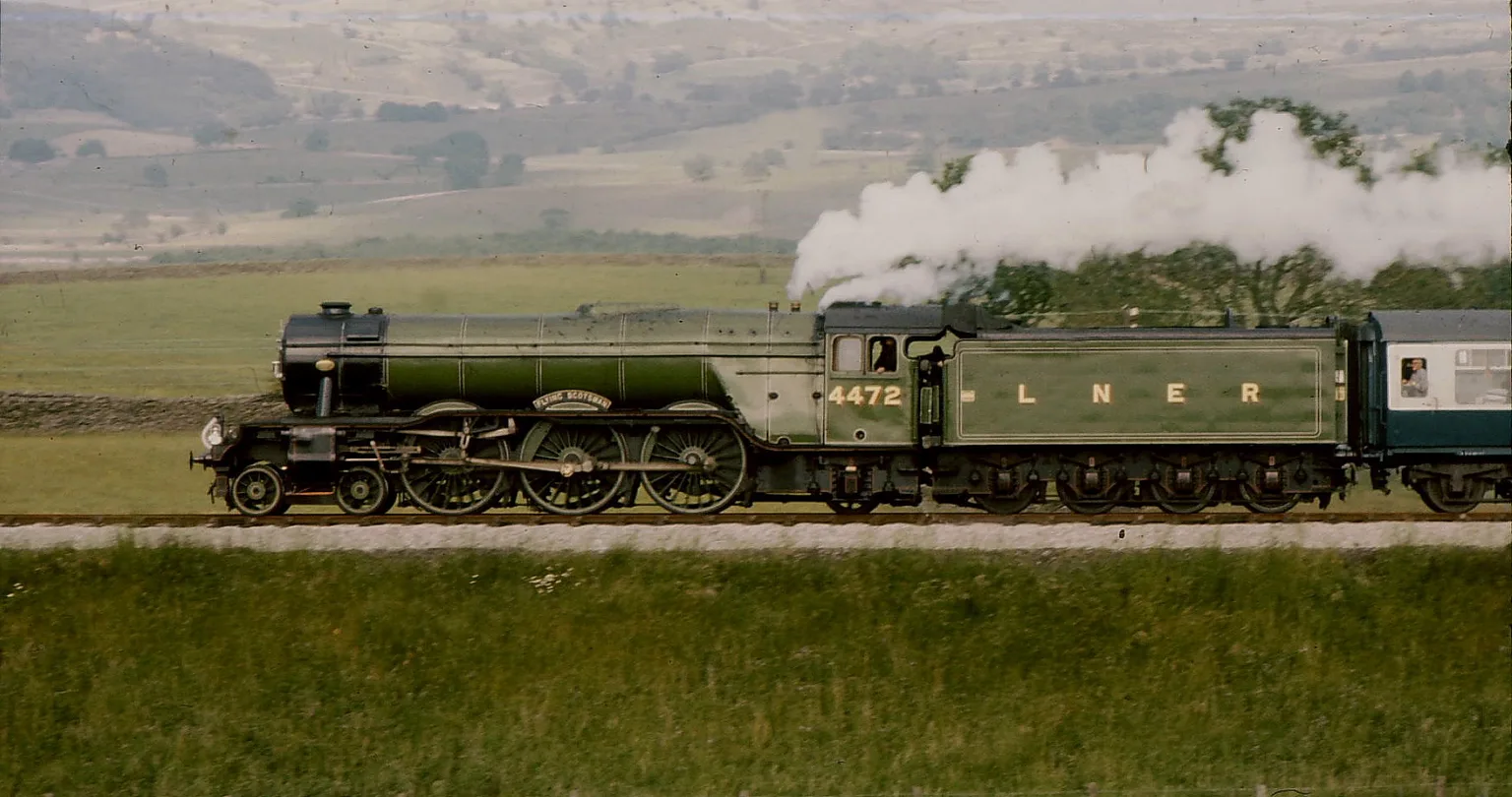
His first Pacific, No. 1470 Great Northern, came out around 1922 as an A1, and the first to enter LNER service was No. 1472, later 4472 Flying Scotsman. In 1928 the A3 “Super Pacific” followed (NRM blog). Flying Scotsman itself was built at Doncaster in 1923, was clocked at 100mph in 1934, and was rebuilt as an A3 after the Second World War (NRM, history of Flying Scotsman). Our Flying Scotsman guide tells the rest.
The A4, his masterpiece
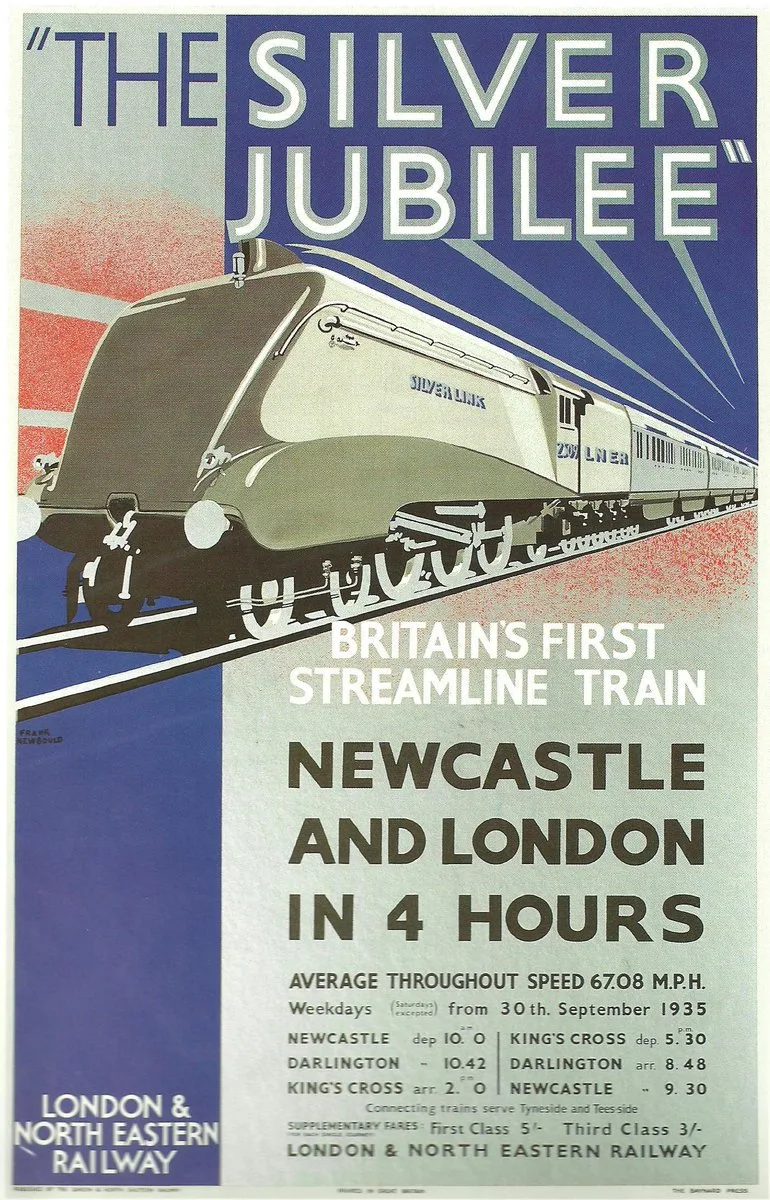
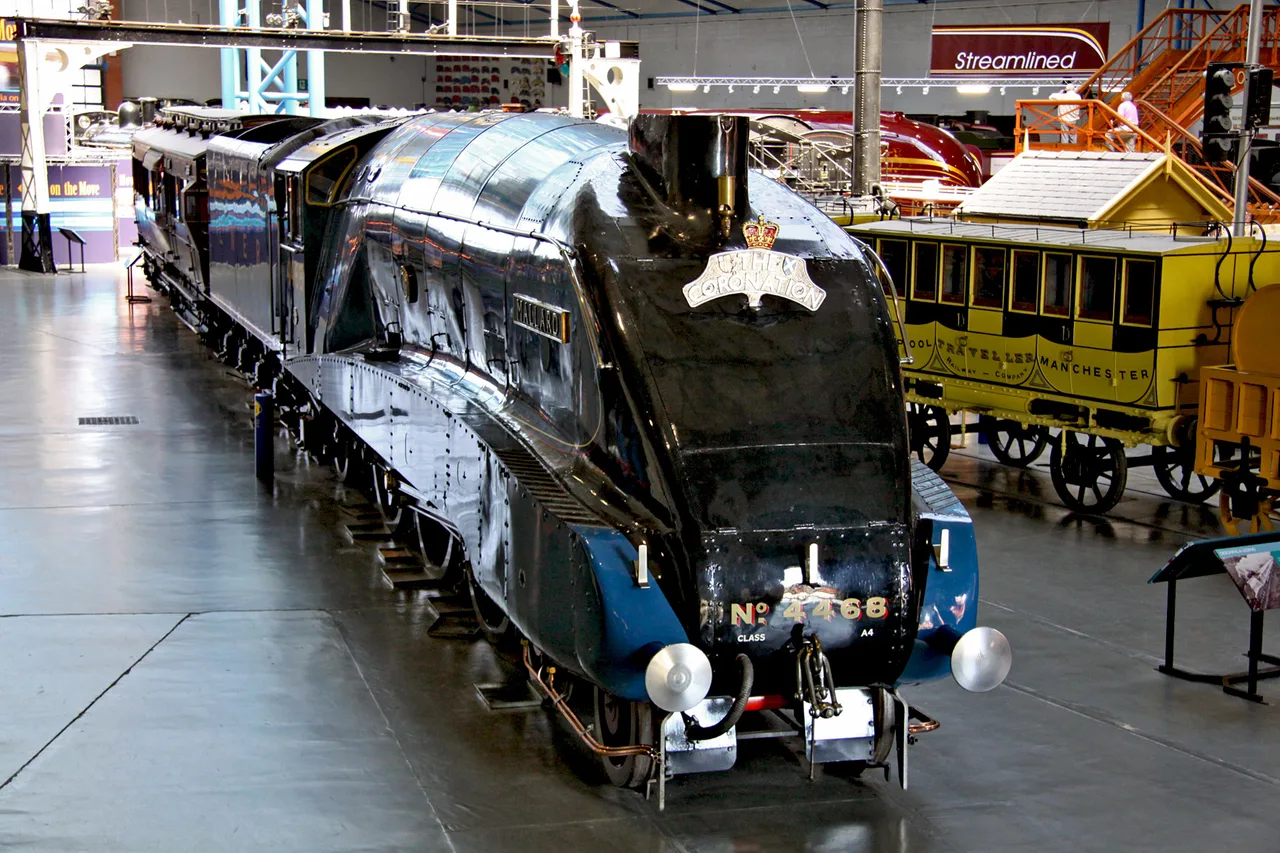
The streamlined A4 arrived in 1935, the same year the LNER launched the Silver Jubilee service from London to Newcastle, billed on its poster as Britain’s first streamlined train (NRM blog). The museum calls the A4 his masterpiece. In all, 35 A4s were built at Doncaster Works, and six survived the end of steam in 1968 (Science Museum blog). Gresley also designed the P1 and P2 classes and the V2s; 184 V2s were built between 1936 and 1944, and the first, Green Arrow, is in the National Collection (Green Arrow).

The six A4s that survive
They are 4468 Mallard, 4489 Dominion of Canada, 60007 Sir Nigel Gresley, 60008 Dwight D Eisenhower, 60009 Union of South Africa and 60019 Bittern (NRM blog). Mallard is in the Great Hall at York. Dwight D. Eisenhower is on display at the National Railroad Museum in Green Bay, Wisconsin (National Railroad Museum). In 2012 it and Dominion of Canada crossed 2,527 miles of sea to be reunited with the others (Science Museum blog).
60007 is named after its designer and was the 100th engine built to his designs. It set the official post-war steam speed record of 112 mph on 23 May 1959, and the A4 Preservation Society bought it in 1966 (60007 history). It is based at Crewe, but its owners’ engineering report of 11 October 2026 says autumn trips were cancelled because of fire risk (engineering report), so check their list of confirmed runs before planning around it (news).

The statue without the duck
A bronze statue of Gresley by Hazel Reeves stands on the western concourse at King’s Cross, against the wall of the offices where he worked from 1923 to 1941 (Camden design statement). The design included a mallard duck at his feet, a nod to the engine and to his habit of feeding mallards at his pre-war home. At the unveiling, on the 75th anniversary of his death, the duck was noticeably absent: his family and others were not keen, and despite a 3,200-strong petition it was left out (Yorkshire Post). The figure holds a copy of The Locomotive magazine showing Mallard.
Photographing Gresley’s engines
The long, low side of an A3 or the curved nose of an A4 fills a wide frame. If you have a photograph of one on a railtour, we can print it as it is, or turn it into a vintage railway poster in the spirit of Newbould’s.
Sources: NRM, Sir Nigel Gresley’s 150th birthday; Science Museum, Mallard 75 (both read 23 October 2026).