From timetable handbill to picture
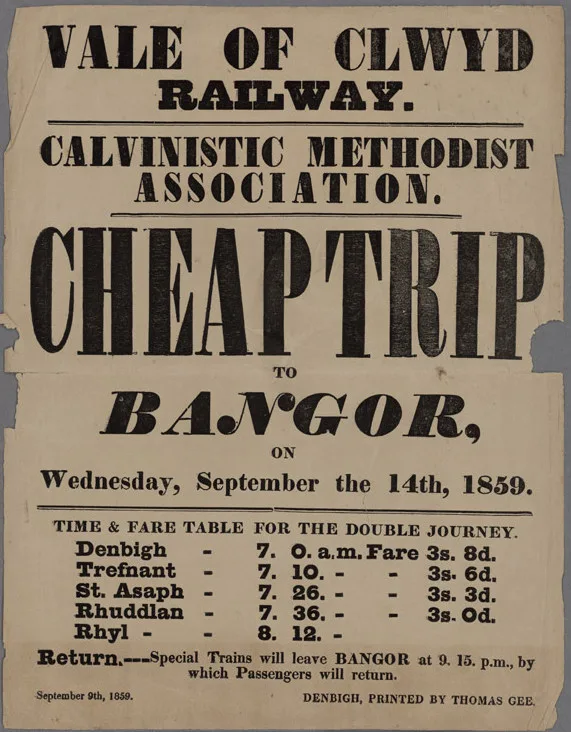
The first railway advertising was plain type. According to the National Railway Museum, early railways used handbills and notices much like the stagecoaches before them: what ran, when, and for how much. The 1859 handbill on this page is a good example, a “Cheap Trip to Bangor” on the Vale of Clwyd Railway with the fares from each station in shillings and pence, printed in Denbigh.
Pictures crept in slowly. The museum holds what it thinks may be the first British railway poster with realistic scenes in several colours, from the London & Dover Railway around 1845, and a single example is known to survive. Colour posters improved from the 1870s, but the real change came in 1905. That year the LNWR, the London & North Western, hired the marine painter Norman Wilkinson to produce posters built around landscape paintings. The other companies followed (the National Railway Museum’s history of the British railway poster; Norman Wilkinson, read 22 October 2026).
The Big Four, and what each one sold
From 1923 the railways ran as four big companies, and each built a look of its own. The museum’s history sums up their themes neatly. The Southern sold sunshine, on the south coast or across the Channel, and its new electric trains, with an electric flash on its posters and the slogan “Southern Electric”. The LNER boasted about its expresses and sold the east coast as “The Drier Side of Britain”. The GWR’s keynote was “Speed to the West”. The LMS, the biggest of the four, sold its sheer size and the range of places it reached.
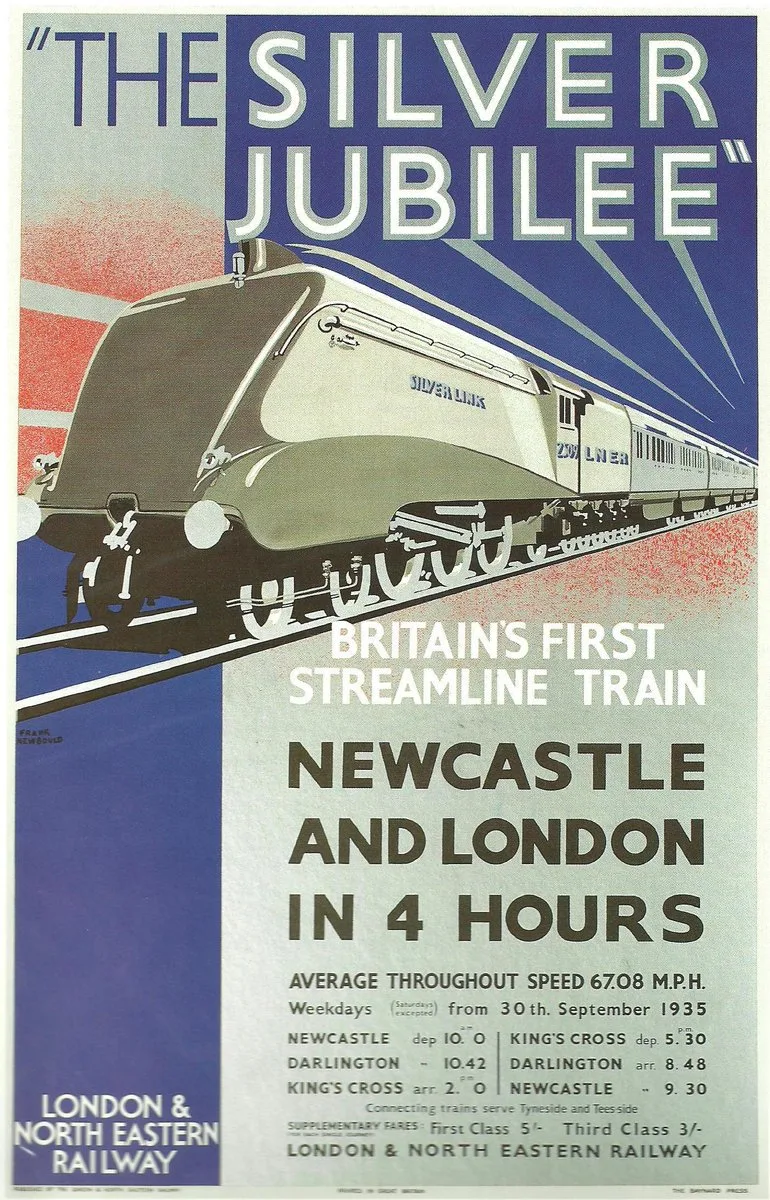
Each has its own page here: the Great Western, the LNER and the art deco streamliner years (the National Railway Museum’s history of the British railway poster, read 22 October 2026).
When the Royal Academy painted for the LMS
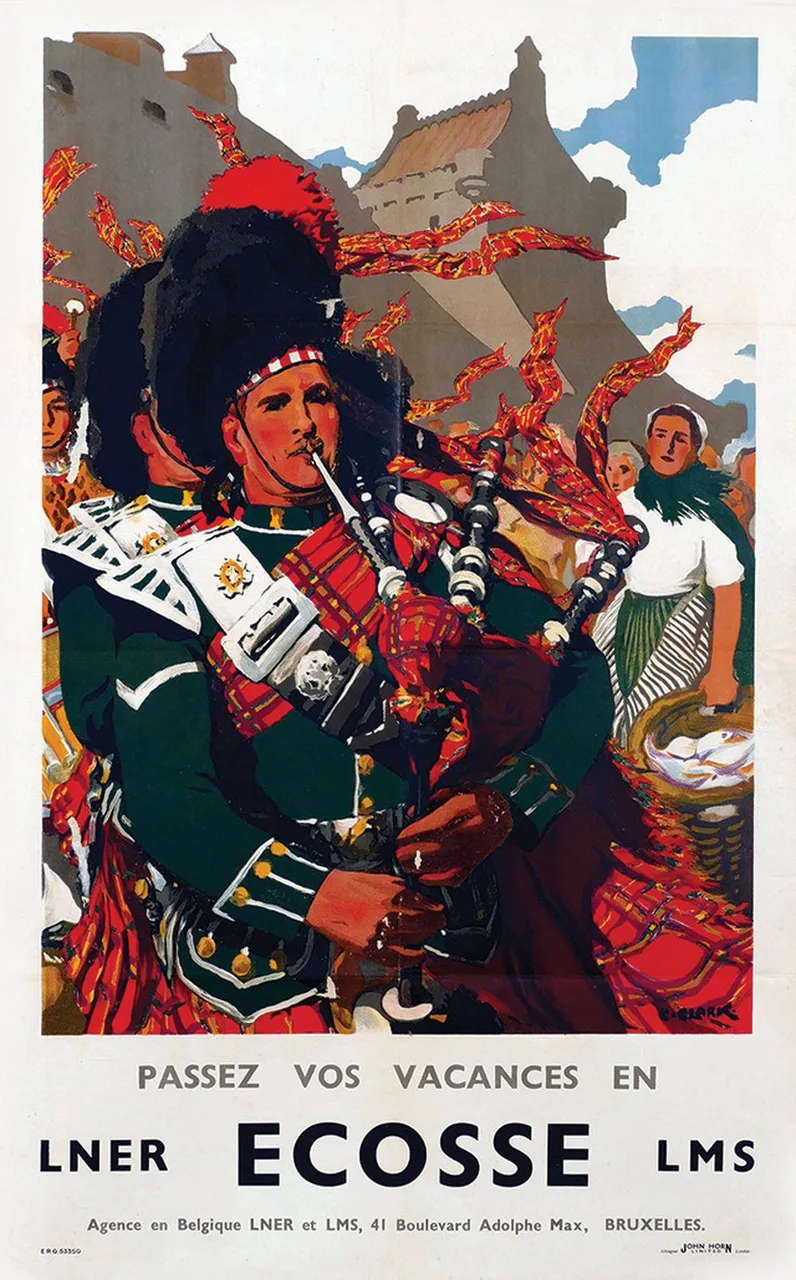
The LMS had a slow start, according to the museum, so it asked Norman Wilkinson how its posters could be better. His answer was bold: ask members of the Royal Academy. Wilkinson approached eighteen artists and every one said yes except Frank Brangwyn, who was already working for the LNER. Wilkinson chose the subjects and then left each artist alone. The first posters went up early in 1924, and some showed the industries the railway served, which no railway poster had done before. William Orpen’s The Night Mail, The Enginemen, a driver and fireman on a speeding engine, is one of that series (the National Railway Museum’s history of the British railway poster, read 22 October 2026).
The war, and after
When war came in September 1939 the hoardings were cleared of most advertising. In its place went notices from the Railway Executive Committee and posters asking people to stay at home: “Is your journey really necessary?” Holiday posters came back after 1945, and in 1948 the railways were nationalised. From there, the British Rail posters guide carries on (the National Railway Museum’s history of the British railway poster, read 22 October 2026).
Sizes and prices, if you’re collecting
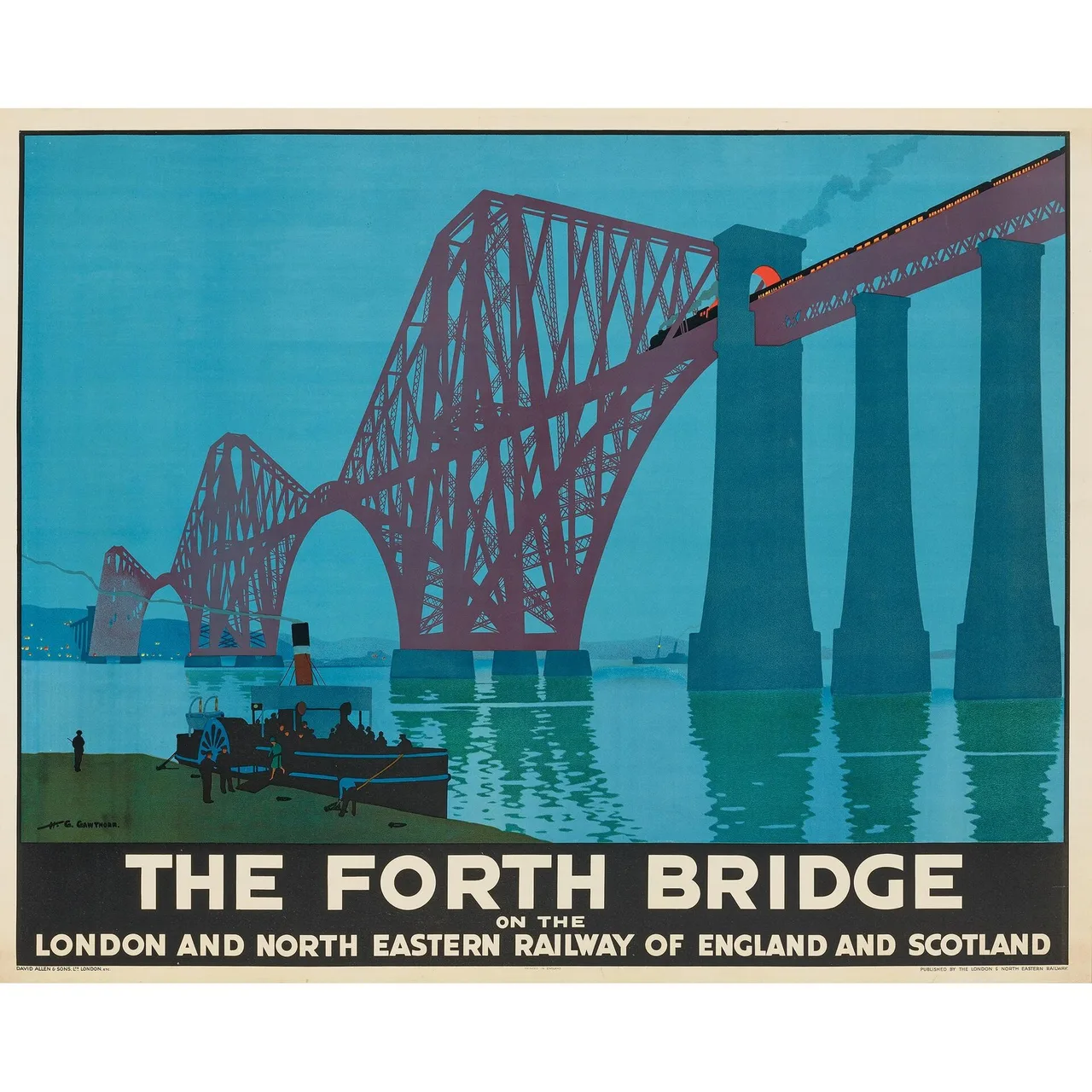
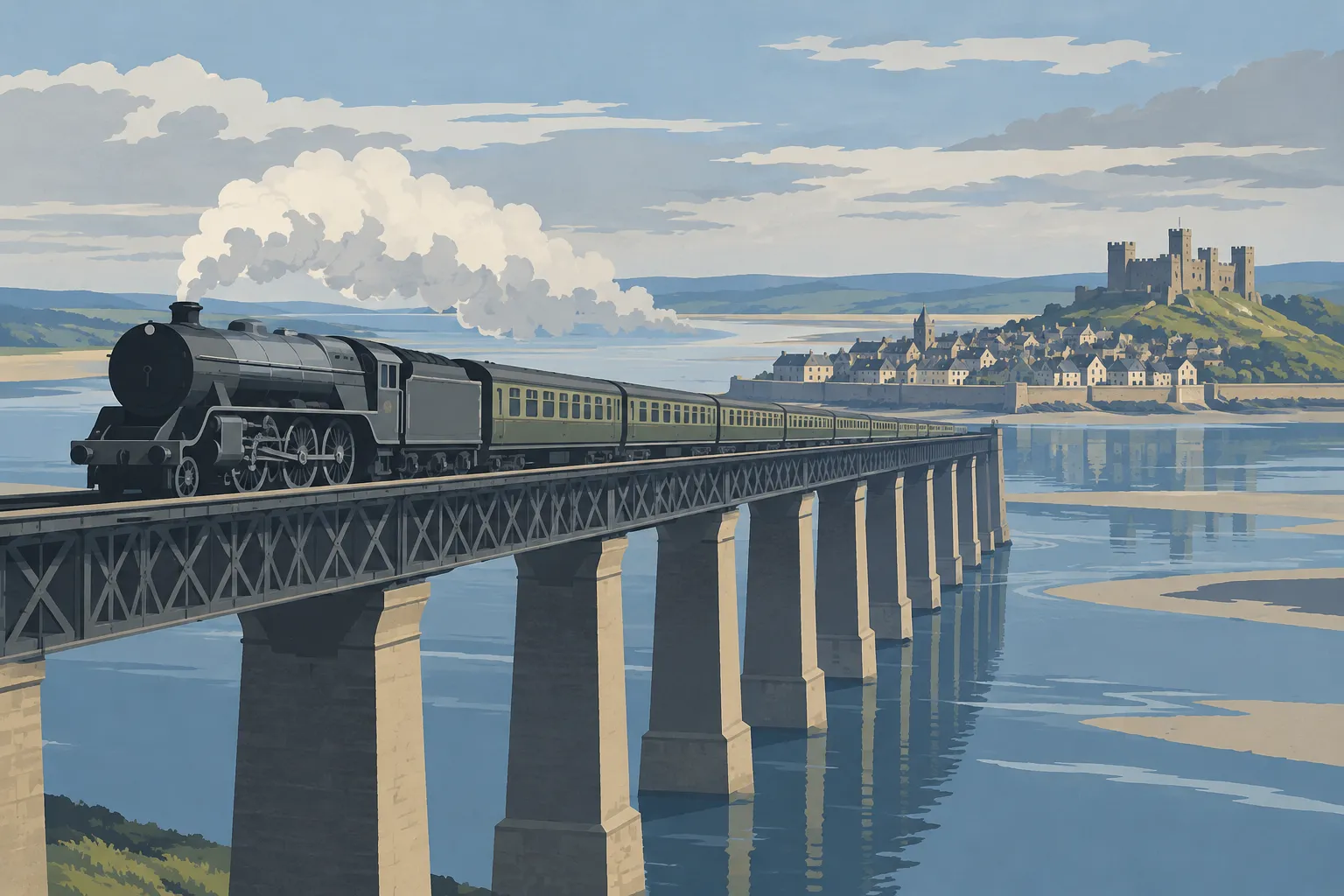
Collectors meet two sheet sizes again and again: the upright double royal, 64cm wide by 102cm high, and the landscape quad royal, 128cm wide by 102cm high. The Forth Bridge poster at the top of this page is a quad royal from 1928. Onslows, specialist poster auctioneers for forty years, say to expect £300 and upwards for an attractive design, and £2,000 to £5,000 is not uncommon for designs in strong demand. Their headline sale is the LNER’s 1931 Night Scotsman by Alexander Alexeieff, which went for £34,000. They rank locomotives, dining cars, bathers, golf, field sports and art deco among the favourite subjects. Post-war artists collectors look for include Abram Games, Terence Cuneo and Claude Buckle (Onslows, collecting travel posters, read 22 October 2026).
Where the originals are kept
The national collection is the place to start. The National Railway Museum in York has 10,700 posters and other railway artwork, dating from 1804 to the present day, and the Science Museum Group publishes its railway posters, notices and handbills online, free to browse. That category held 8,354 records when we last looked. Browse it and you get the famous posters next to the ordinary ones, which is where you learn how the style really worked (National Railway Museum, 2020; Science Museum Group, railway posters, read 22 October 2026).
What we make, and what we won’t
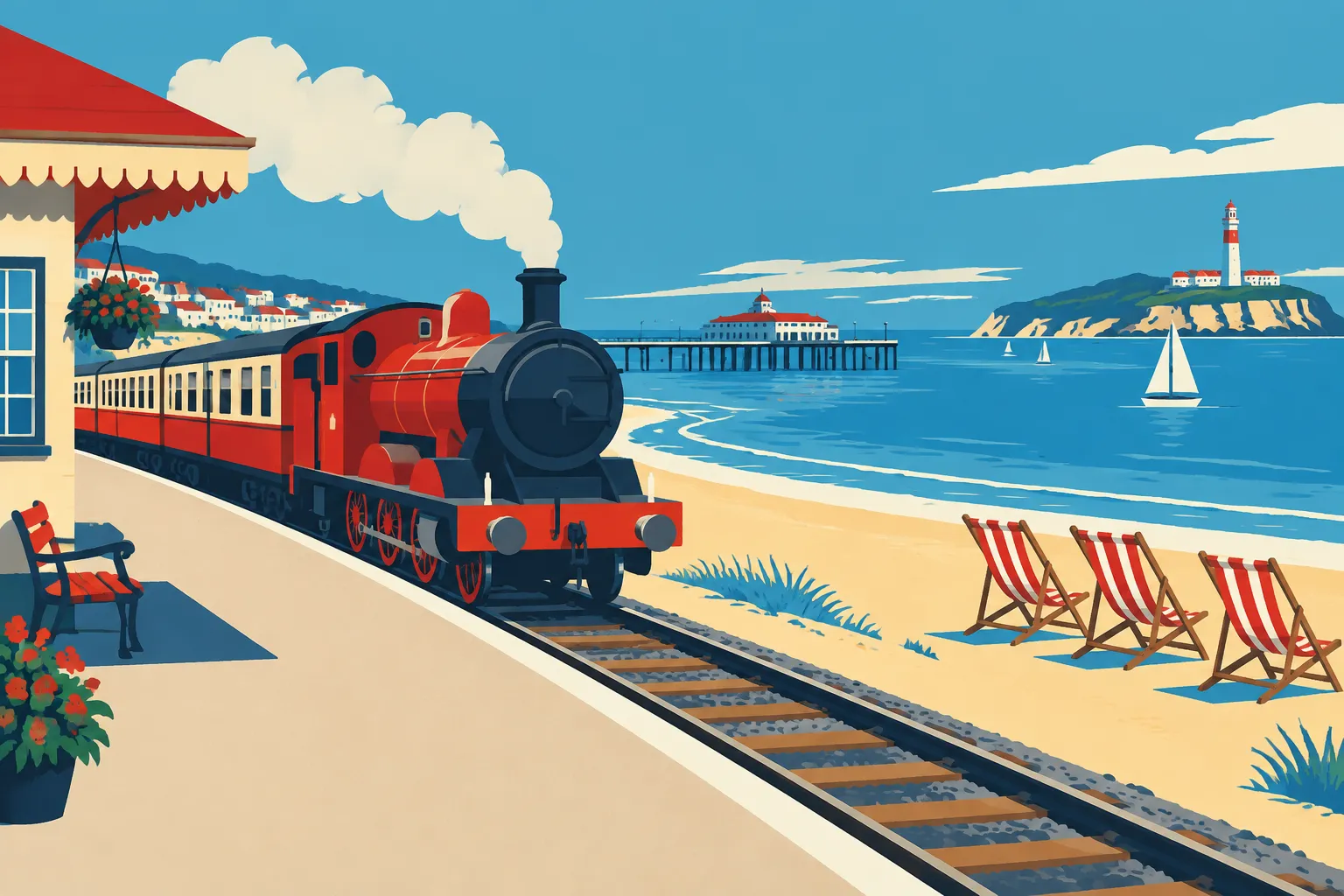
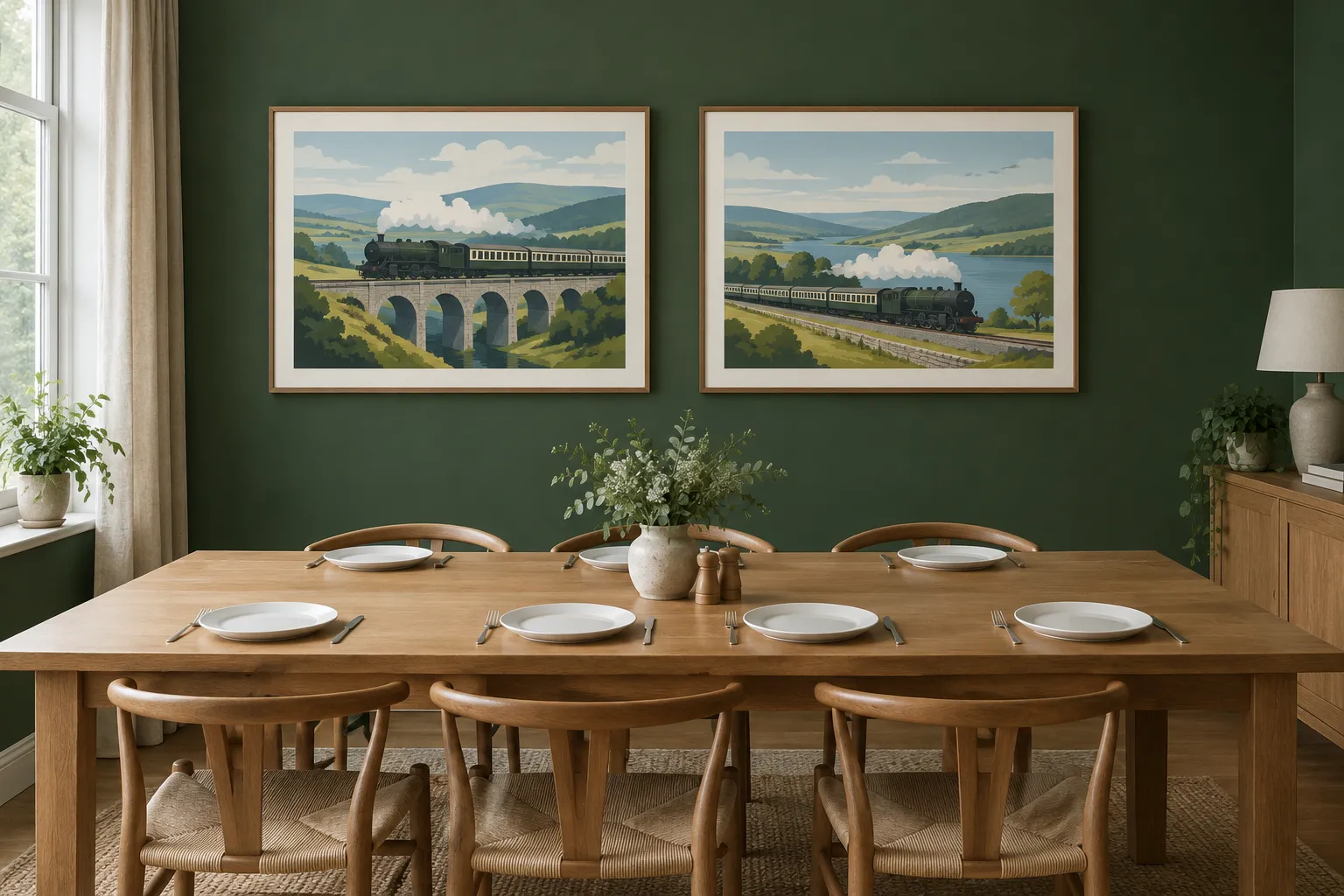
We don’t sell old posters, and we don’t reprint anyone’s design. Instead, we start from a photograph of your own engine, platform or line and redraw it in the poster tradition: flat colour, a small palette, shapes simple enough to read across a room. You see a free preview before you pay. We never add a company name, crest or nameplate that wasn’t in your picture. If you want the history in more depth, vintage railway posters is the long version of this page, and preparing the photograph tells you what the file needs.


.jpg)