1948: one railway, run like four
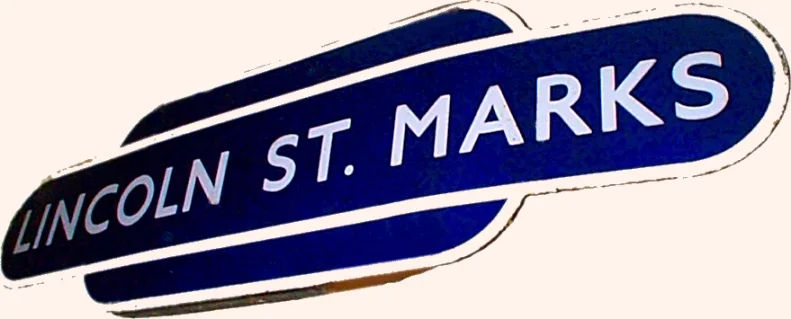
On 1 January 1948 the railways became part of the state-owned British Transport Commission. The National Railway Museum’s history of the poster says nationalisation “brought about little initial change”. The new British Railways regions were close copies of the old companies’ areas, advertising stayed regional, and the posters looked much the same, now carrying the British Railways name in a lozenge or “totem” design. Station signs followed the same pattern: in 1949 the Railway Executive settled on Gill Sans lettering on the regional colour, dark blue for the Eastern Region, and those totem signs are now collected in their own right.
The railway was also in a bad way. The museum notes that some 6,000 stations needed urgent repair, paper and ink were short, and the printing presses were worn out, so simple designs made sense (the National Railway Museum’s history of the British railway poster; Gill Sans; Rail Alphabet, read 22 October 2026).
The seaside, again
The posters went straight back to holidays. The museum keeps Frank Wootton’s Torquay in Glorious Devon, done for the Western Region in 1950; Gyrth Russell’s Glorious Devon of about 1951, looking down the steep street at Clovelly; and Kenneth Steel’s 1956 Skegness is So Bracing for the Eastern Region, still using the slogan the Great Northern had first put on a poster in 1908. Claude Buckle’s Racing off Ryde, from 1957, sold the Isle of Wight to sailors. Onslows name Buckle, Terence Cuneo, Abram Games, Jack Merriott and Leonard Squirrell among the post-war artists collectors now chase (Torquay in Glorious Devon; Glorious Devon, 1951; Skegness is So Bracing, 1956; the National Railway Museum’s history of the British railway poster; Onslows, read 22 October 2026).
Modernisation on the hoardings
By the late 1950s the railway was competing with the car, and the posters said so. The museum’s history notes posters showing frustrated drivers in traffic jams, and in 1958 the first posters promoting electrification and new engineering works. Terence Cuneo’s Progress, from 1959, showed new diesel locomotives being built. In 1962 a poster by Bagley marked the centenary of the Flying Scotsman express with one of the new Deltic diesels, introduced the year before, filling the sheet. The 1963 report The Reshaping of British Railways followed, with its closures, and steam’s days were numbered (the National Railway Museum’s history of the British railway poster, read 22 October 2026).
1965: British Rail, the double arrow and Rail Alphabet
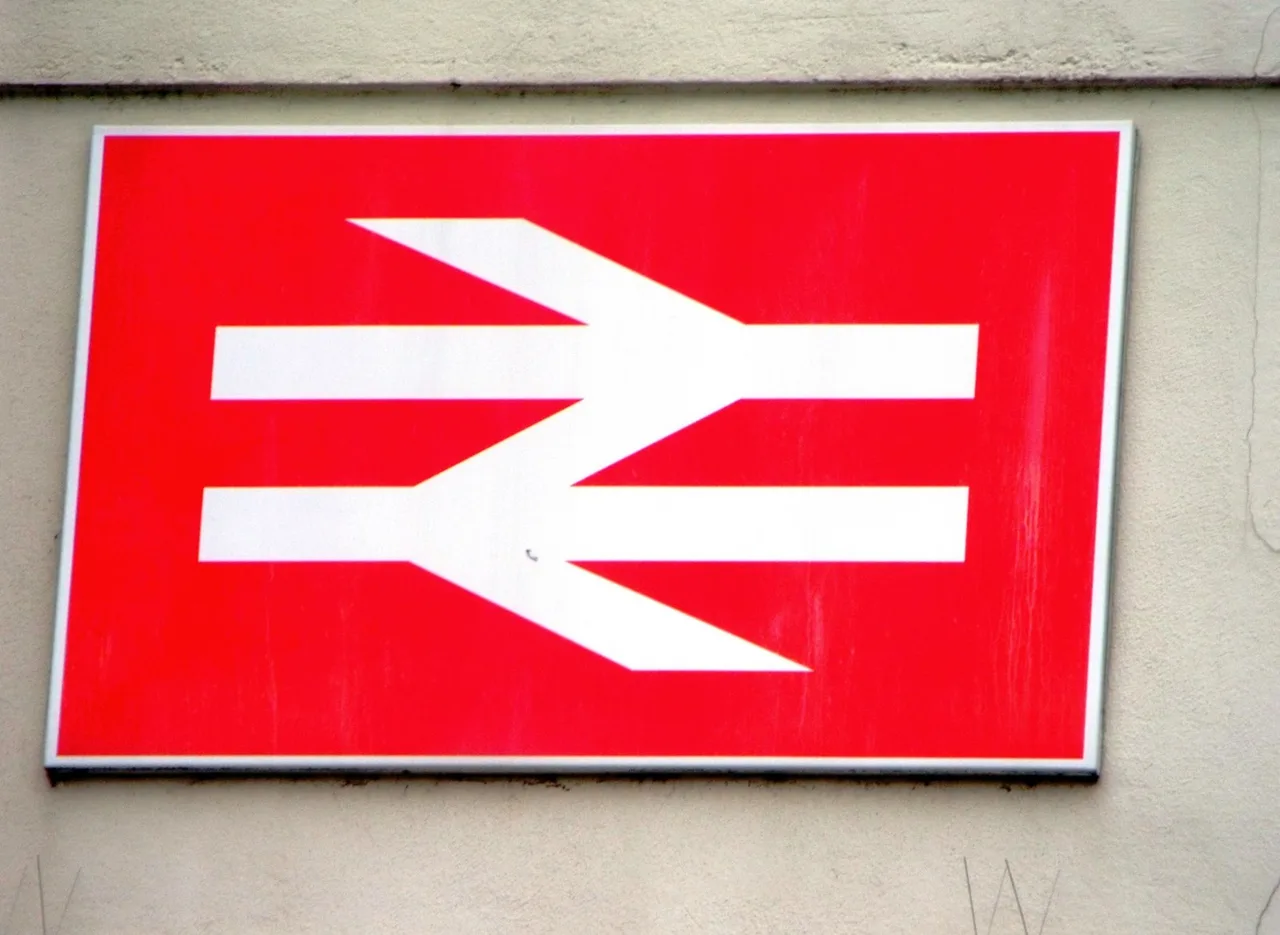
In 1965 the railway relaunched itself. The Design Research Unit gave it a shorter name, British Rail, and a new logo, the double arrow, which you still see on station signs today. It also brought in a new typeface, Rail Alphabet, drawn by Jock Kinneir and Margaret Calvert, the pair who had just designed the lettering on Britain’s road signs. Rail Alphabet went on station signs, train sides and notices everywhere. In 1966 the main-line expresses were branded Inter-City.
Posters became more controlled from the centre and more consistent in style. The museum is frank that the 1970s were not the poster’s finest hour, with advertising agencies, celebrity endorsements and television taking over (Rail Alphabet; the National Railway Museum’s history of the British railway poster, read 22 October 2026).
The Age of the Train
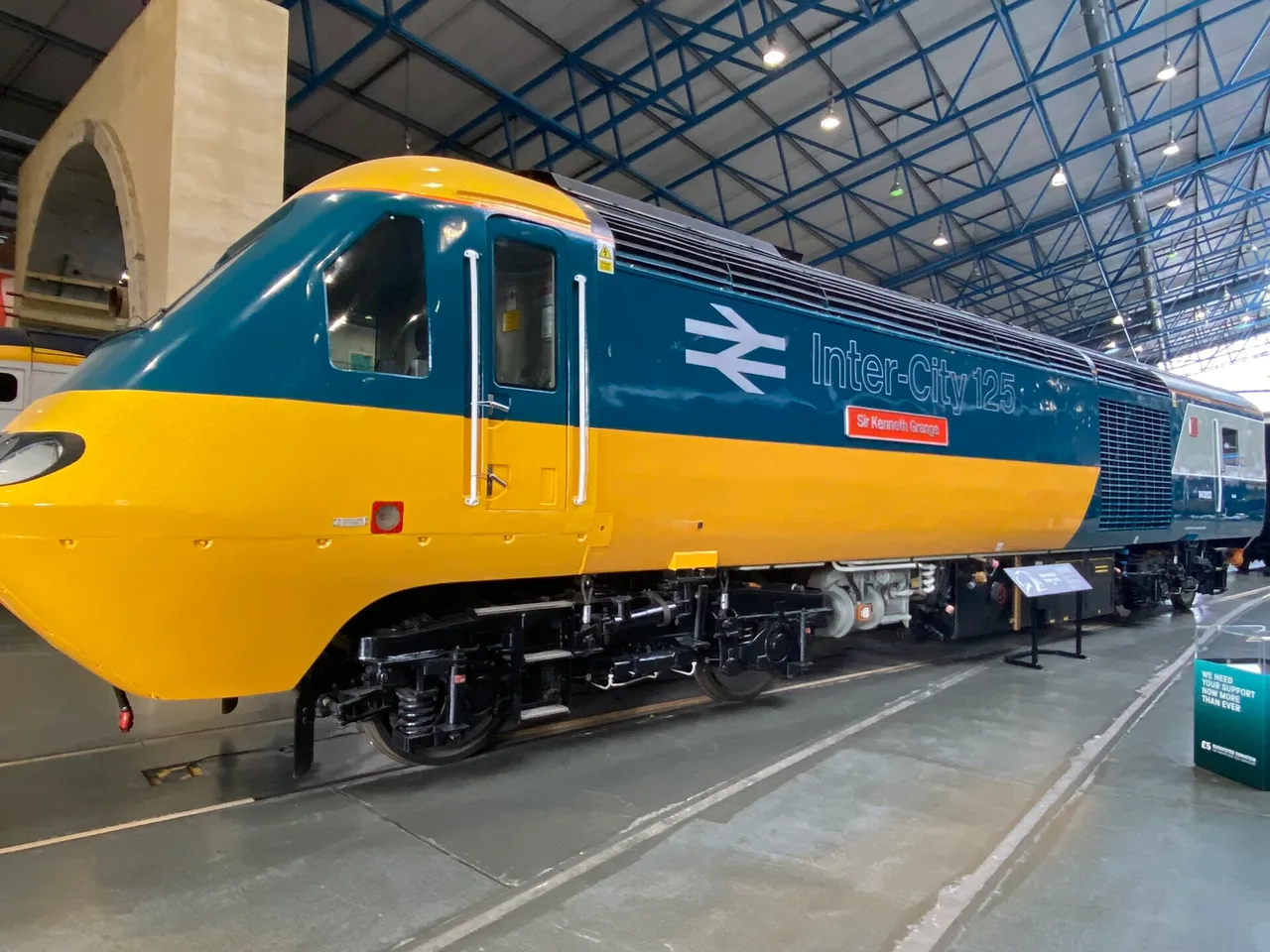
The High Speed Train brought the posters back to life. British Rail introduced the Inter-City 125 in 1976, named for its 125mph top speed, and the advertising made much of its sleek nose and the double arrow on its side. By 1980 and 1981 the posters were declaring This is the Age of the Train. The power car at the top of this page, 43002, was the first production HST power car, built in 1976; it is now in the National Railway Museum and carries the name Sir Kenneth Grange, in honour of the HST’s designer (the National Railway Museum’s history of the British railway poster; The Age of the Train, 1980; This is the Age of the Train, 1981; Wikimedia Commons, 43002, read 22 October 2026).
Your photograph in the BR manner
The British Rail years are the ones most of us remember, which makes this the style that fits the railway you actually photograph. A Deltic on a diesel gala, a preserved HST, a Class 37 on a branch line, a heritage line in full working order: the restyle takes all of it, because the era itself was a mix of steam, diesel and electric. We redraw your own picture in the tradition and never add a logo or name that wasn’t in it. Preparing the photograph covers what the file needs, and model railway gifts has ideas if the print is for a layout room.