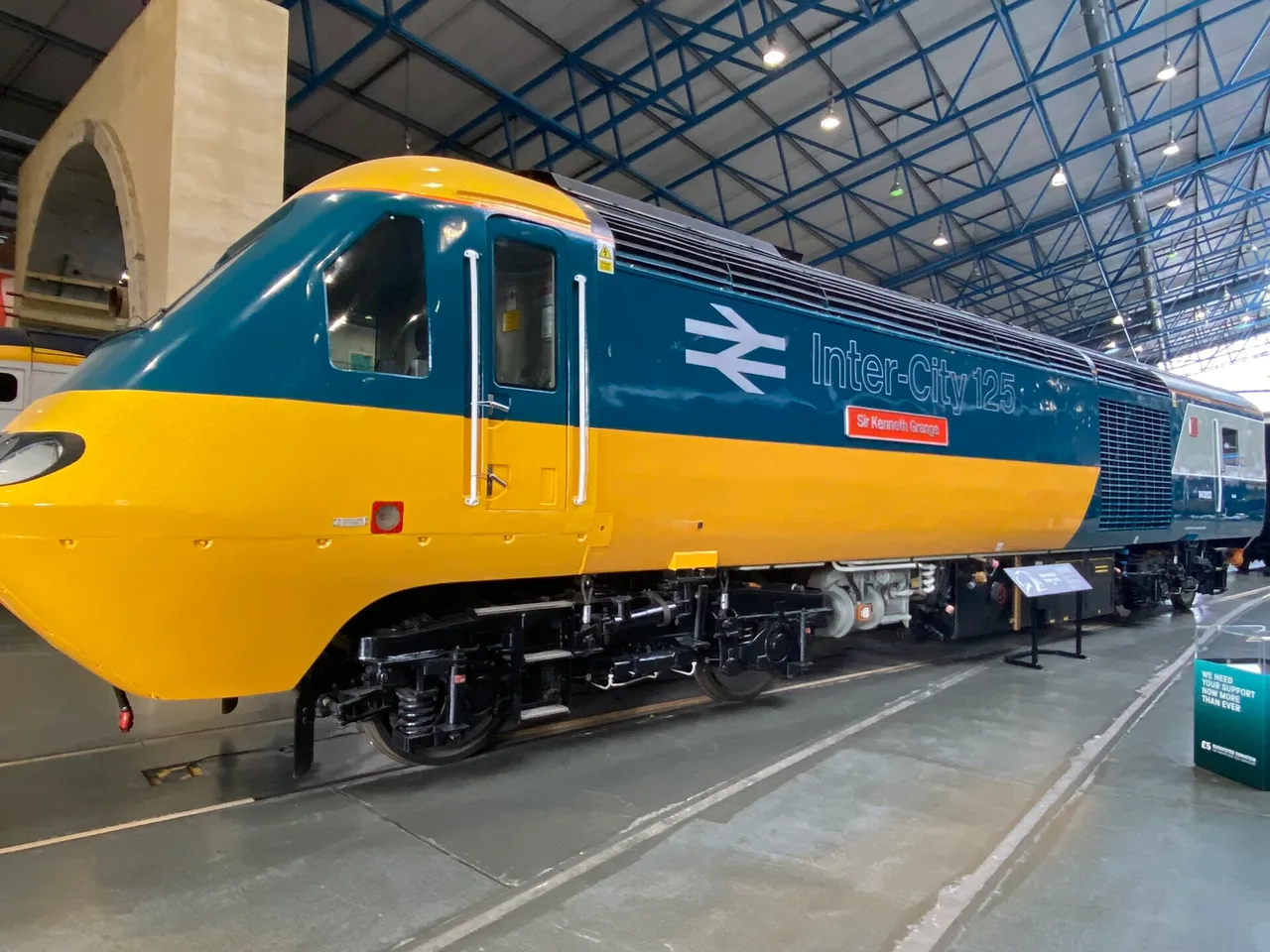
A new company that wanted to be noticed
The LNER was one of the four companies created by the Railways Act 1921, and it ran from 1 January 1923 until nationalisation on 1 January 1948. The National Railway Museum’s history of the poster says relations between them were “generally amicable” and the new company “soon got into its stride”. Its first poster, in March 1923, was Fred Taylor’s view of the inside of York Minster, and a stream of colourful designs followed over the next few months.
The man behind them was the advertising manager, William Teasdale. His trick was to pick a handful of first-rate artists and keep them. Collectors call them the Big Five: Tom Purvis, Frank Newbould, Austin Cooper, Frank Mason and Fred Taylor, all on contract to the company (London and North Eastern Railway; the National Railway Museum on British railway posters; Onslows, collecting travel posters; Tom Purvis, read 22 October 2026). Purvis alone produced more than a hundred LNER posters between 1923 and 1943, about one every two months, and was paid a retainer of around £450 a year to do it.
The drier side of Britain
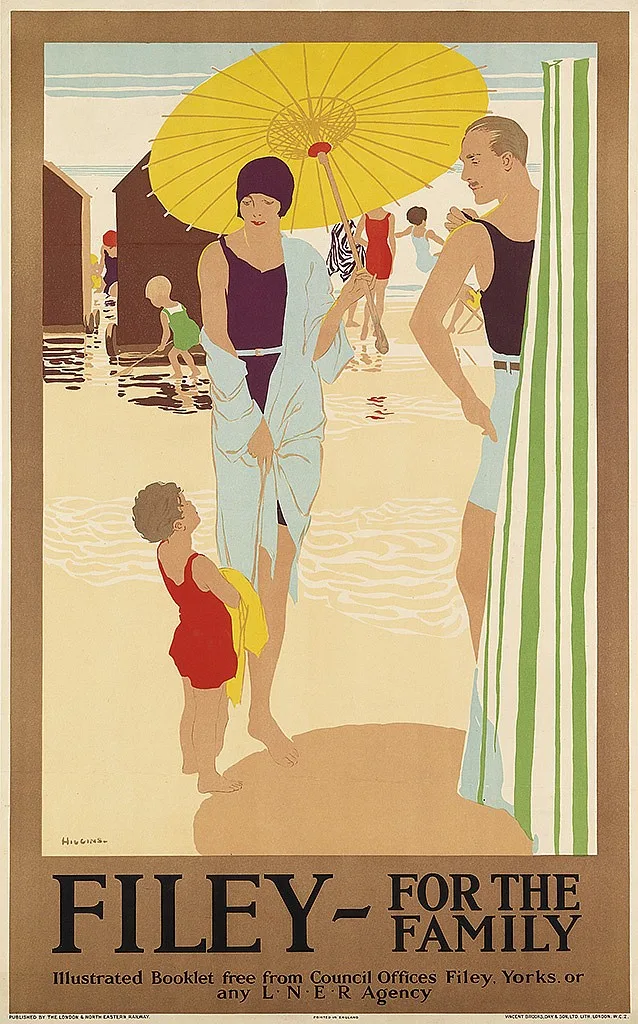
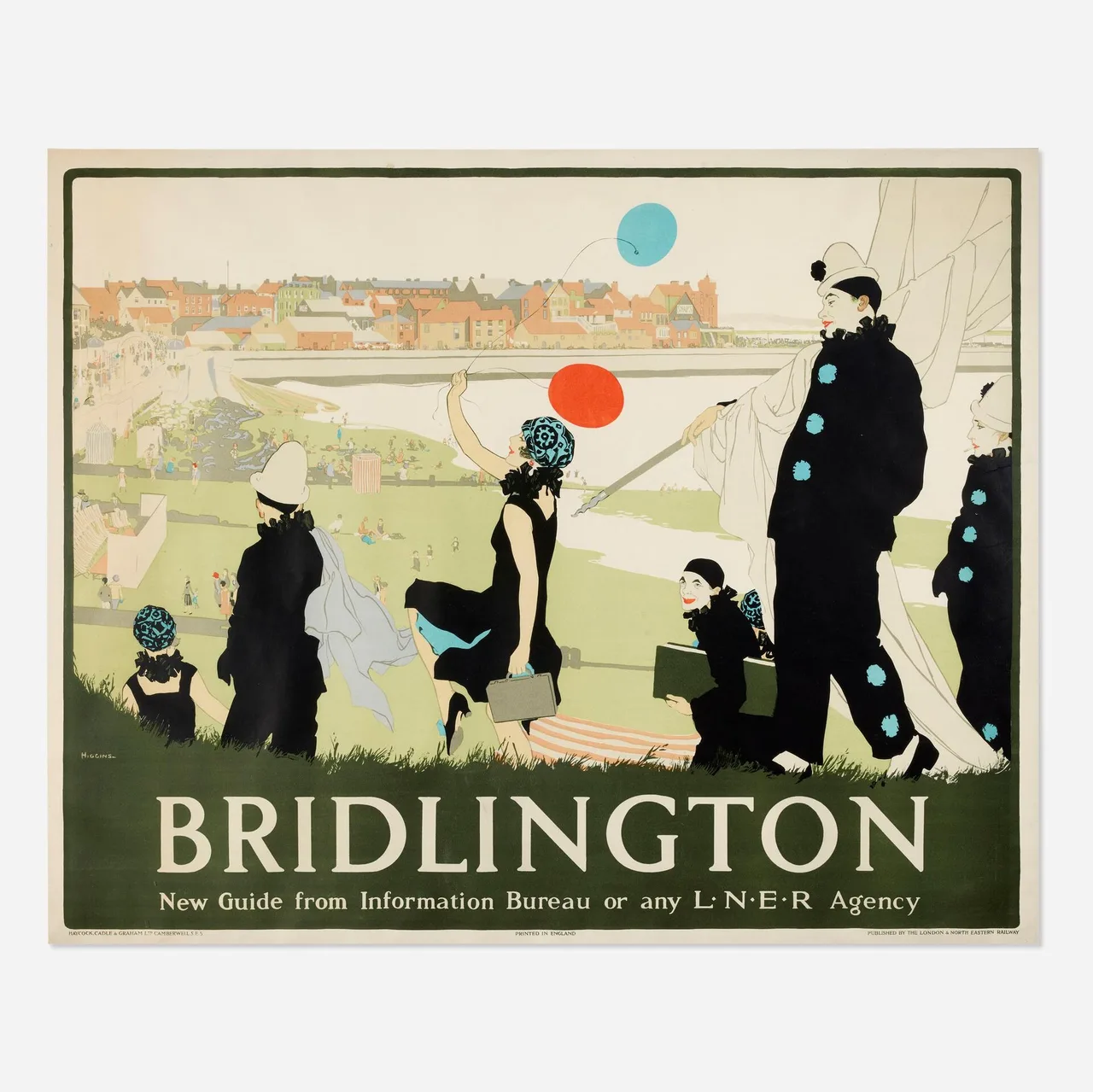
You might expect a railway famous for speed to fill its posters with engines. Mostly it didn’t. The LNER’s routes ran up the east coast, so it sold the east coast: Skegness, Filey, Bridlington, Scarborough, Whitby and on up to Scotland. Its running joke was that the east was “The Drier Side of Britain”, and its slogans were drilled into passengers on poster after poster: “King’s Cross for Scotland” and “Harwich for the Continent”.
Purvis is the master of this. His posters, Wikipedia notes, “largely avoided depictions of the trains themselves” and drew the resorts and the fun instead. In 1931 he made East Coast Joys, a set of six posters that each work alone but join up side by side into one long seaside scene. The museum keeps the set. If you only look up one LNER poster, make it East Coast Joys, Sun-bathing: flat colour, no detail you don’t need, and a beach you can almost feel (the National Railway Museum’s history of the British railway poster; Tom Purvis; East Coast Joys, Science Museum Group, read 22 October 2026).
One typeface on everything
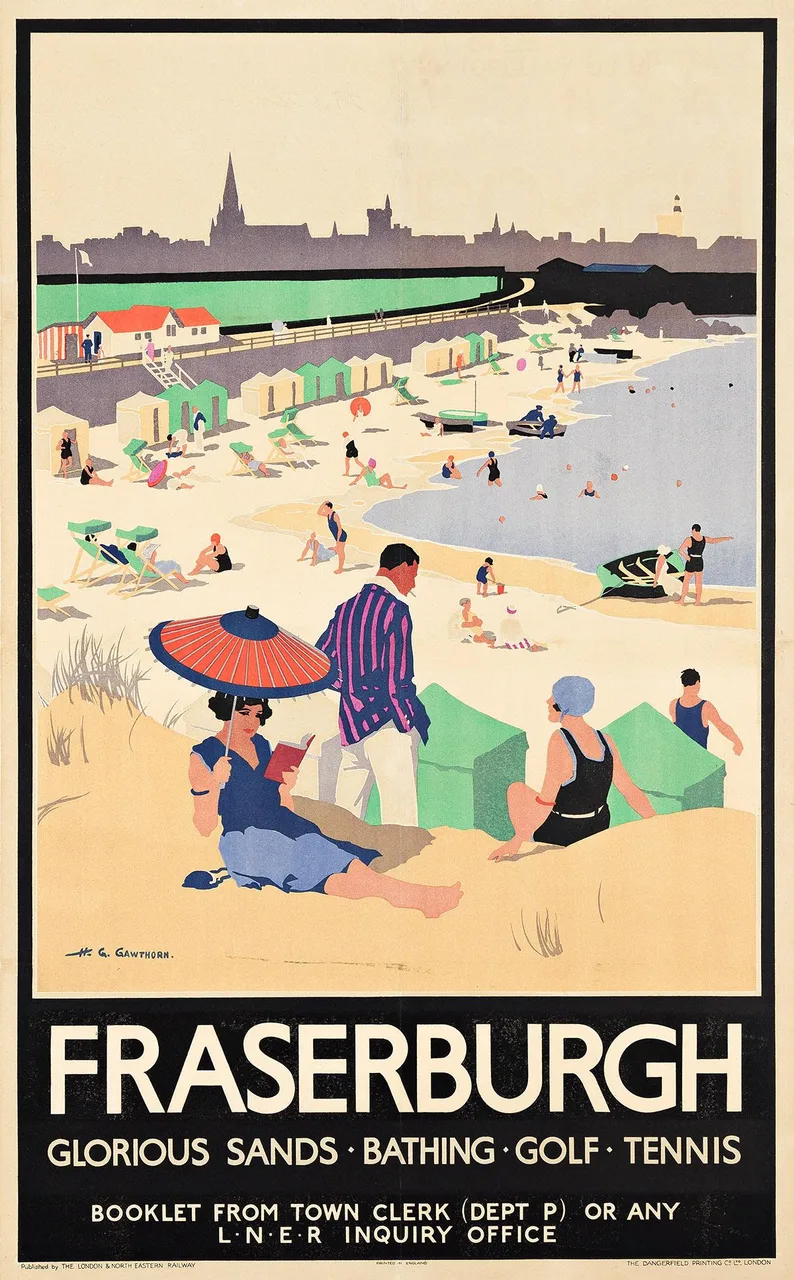
This is the detail that separates someone who knows LNER posters from someone who has just seen a few. In 1929, a year after Eric Gill’s sans serif type was released, the LNER made Gill Sans its typeface for every poster, timetable and piece of publicity. It went on locomotive nameplates, station signs and restaurant car menus too; Mallard’s nameplate is in it. The company even gave Gill a footplate ride on the Flying Scotsman to mark the change.
So when you look at an LNER poster from the 1930s, the type belongs to the brand; it was never an afterthought. It’s also why later British Railways signs look the way they do: when the companies were nationalised, Gill Sans became the basis of the standard station lettering (Gill Sans, read 22 October 2026).
Then came the speed
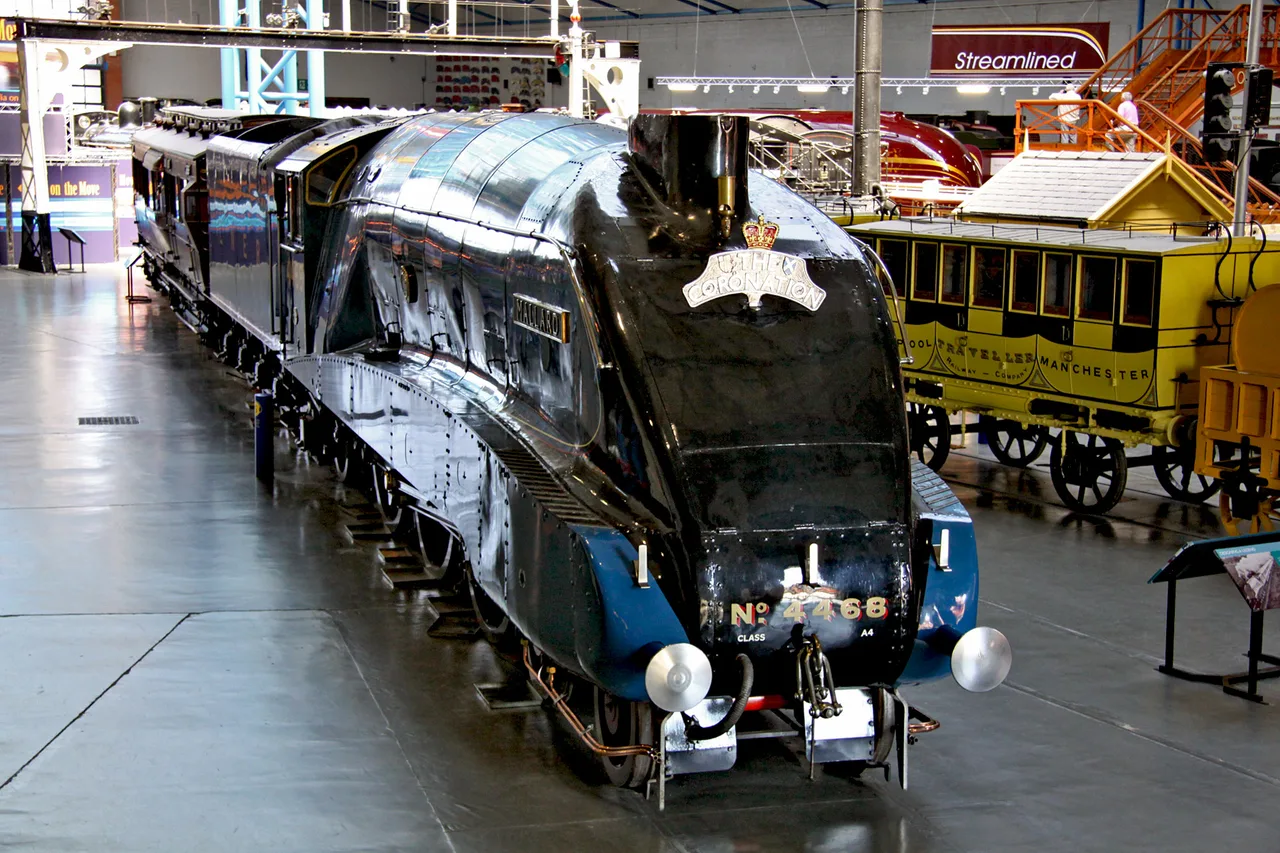
The LNER did have trains worth boasting about, and in the 1930s it did. In 1934 Flying Scotsman was clocked at 100mph on a test run, officially the first locomotive in the UK to do it. In 1935 the company launched the Silver Jubilee, its first streamlined train, to run from King’s Cross to Newcastle, and Newbould drew the poster: “Newcastle and London in 4 hours”. The Coronation followed in 1937, taking six hours between London and Edinburgh. In 1938 Mallard, one of Nigel Gresley’s A4 streamliners, reached 126mph down Stoke Bank, a world record for steam that still stands (NRM, Flying Scotsman; the National Railway Museum’s history of the British railway poster, read 22 October 2026).
What LNER posters fetch now
Originals come up at specialist auctions. Onslows, who have sold travel posters for forty years, say two standard sheets account for most railway posters: the double royal, 102 by 64cm, and the quad royal, 102 by 128cm. A good design starts at around £300, and £2,000 to £5,000 is not unusual for the pick of them. They describe Alexander Alexeieff’s dreamlike Night Scotsman, published by the LNER in 1931, as the “Holy Grail” of railway posters, and report that it sold for £34,000. Collectors chase the locomotives, the bathers, the golf and the art deco designs (Onslows, collecting travel posters, read 22 October 2026).
Your photograph, the east coast way
We don’t sell LNER posters or copies of them. We take a photograph you took and redraw it in the same tradition: flat colour, strong shapes, nothing fussy. The LNER look suits two kinds of picture. An engine coming at you, or an express side-on, takes the speed treatment. A beach, a harbour or a station by the sea takes the Purvis treatment. If you have a shot of an A4 on a main line railtour, or a day out on the North Yorkshire Moors Railway, either works. The art deco guide covers the streamliner style in more depth, and British Rail posters takes the story on after 1948.