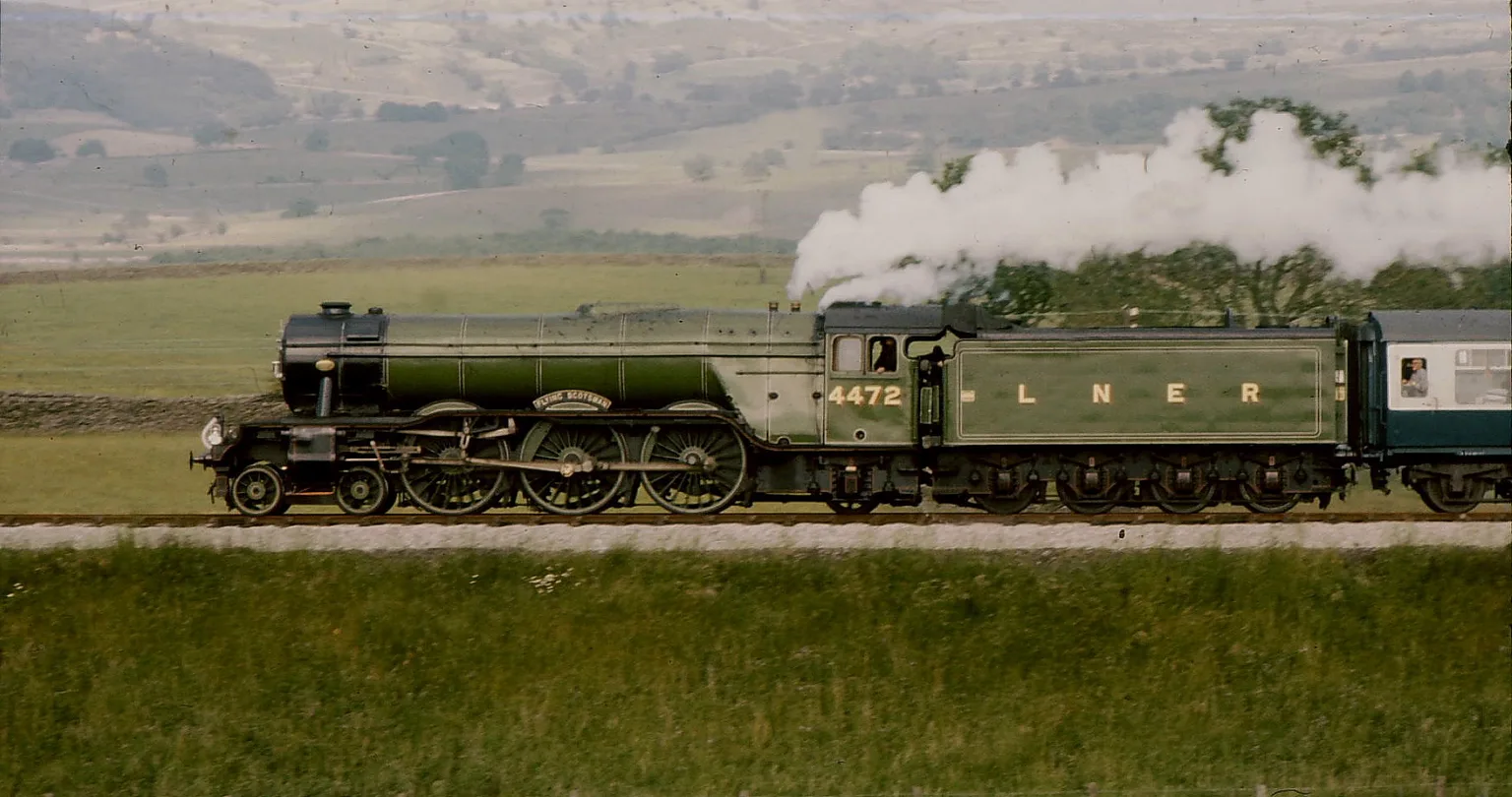
A locomotive for every kind of train
The Science Museum Group’s record sets it out plainly: the British Rail Class 37 is a diesel-electric locomotive, also known as the English Electric Type 3, and “309 of these locomotives were built between 1959 and 1965” (Science Museum Group collection, read 23 October 2026). They came out of British Rail’s Modernisation Plan, published in December 1954, and were designed for both passenger and freight work, so they turned up everywhere.
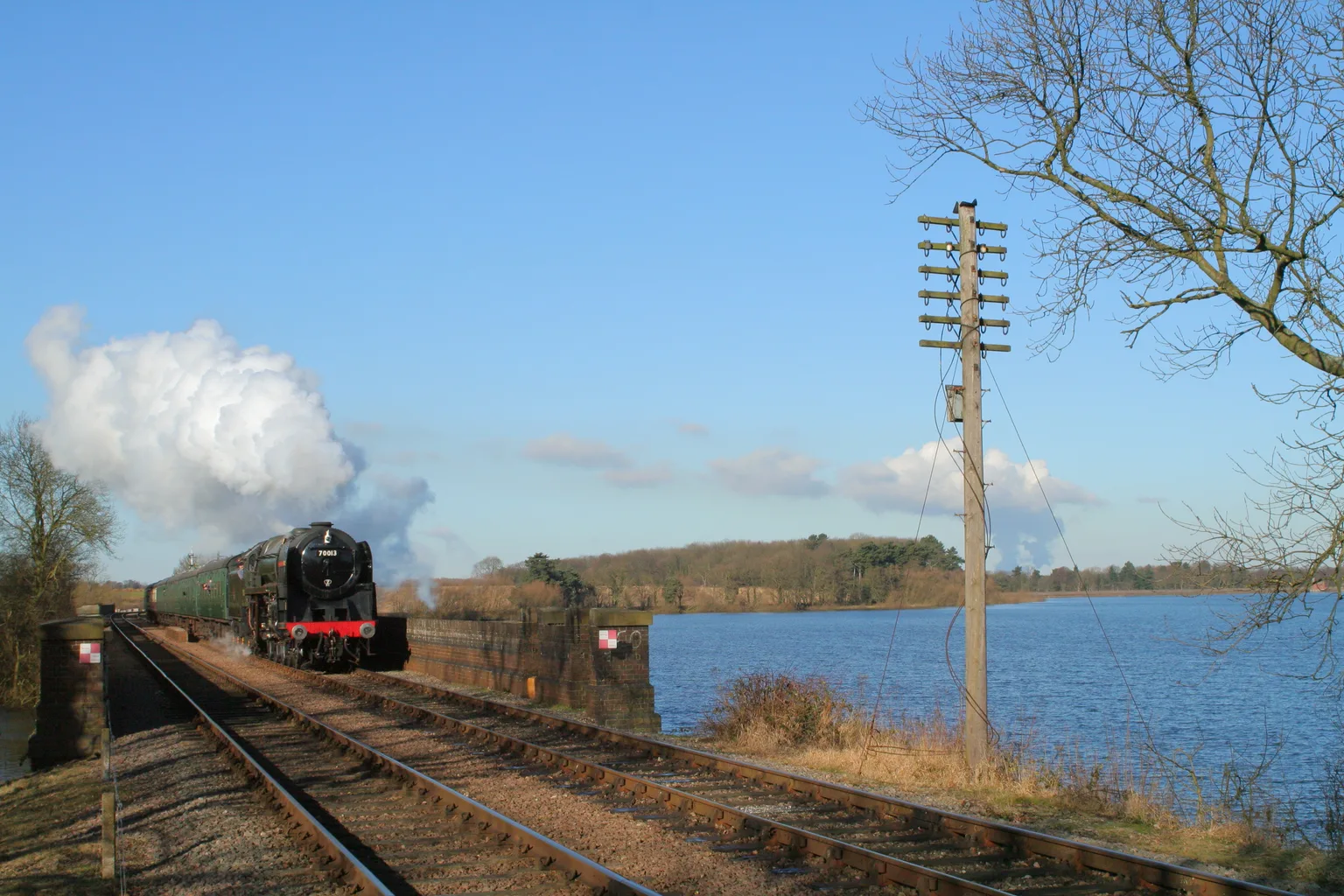
D6700, the first
D6700 was built by English Electric at the Vulcan Foundry in Newton-le-Willows. The Heavy Tractor Group, which looks after it, says it was released to traffic on 2 December 1960 (Heavy Tractor Group). The Great Central gives 1959 as the build year (GCR), so the two disagree on when it was finished; the date it entered traffic is the firmer one. It became 37119 in 1974 and 37350 after a repair at Crewe in 1988.
“D6700 was the first of its Class to be built, and was selected for preservation upon being withdrawn from service” (Science Museum Group). It joined the museum’s collection in July 2001, donated by English, Welsh and Scottish Railway (RailStaff, 27 February 2022).
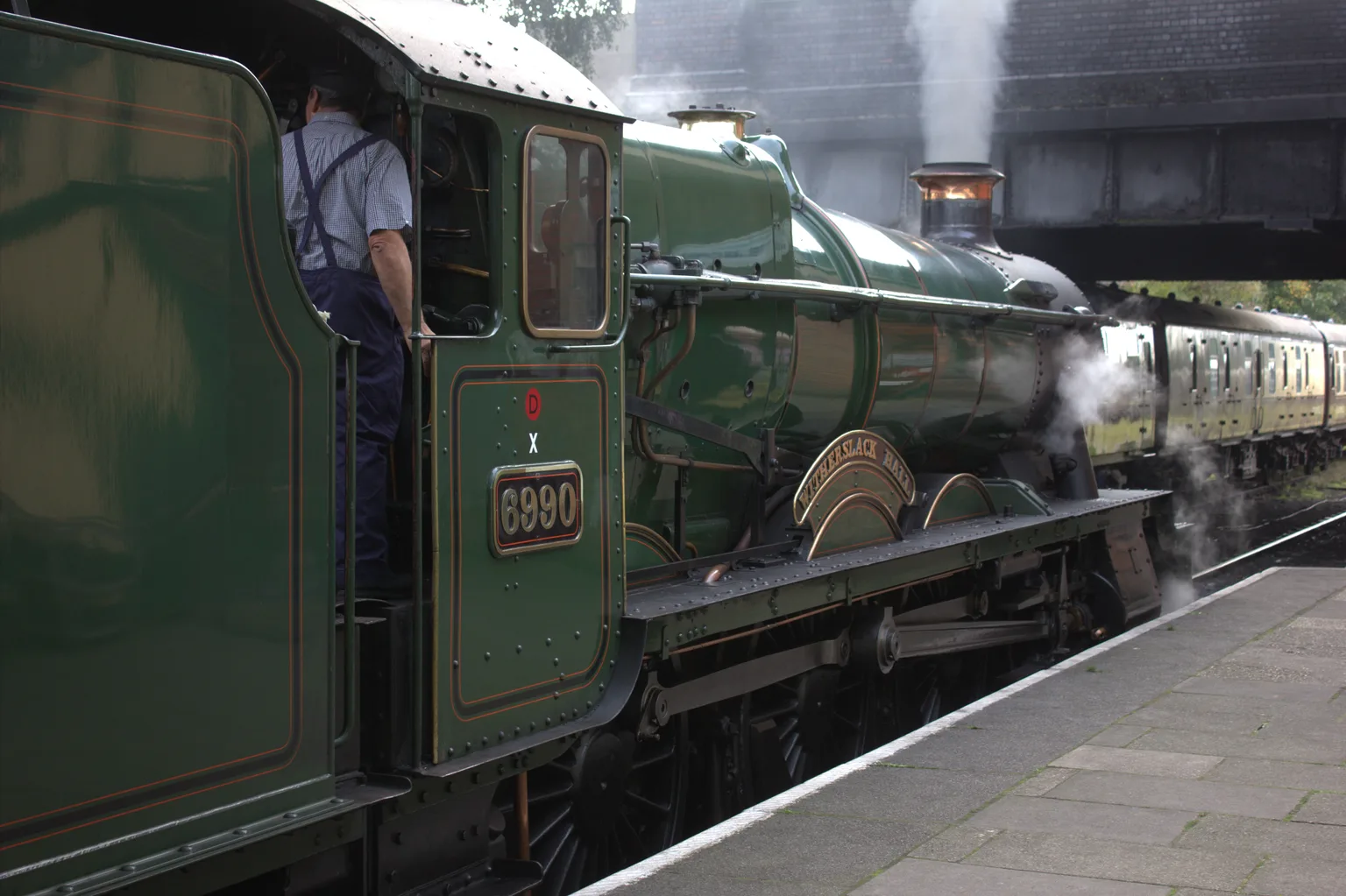
Back to work at Loughborough
In 2022 the National Railway Museum agreed a five-year operational loan for the then 62-year-old engine. Paddy McNulty of the museum said: “Class 37 locomotives are very special to lots of people, and it’ll be great to see our engine back in full working order” (RailStaff). Loram UK carried out the final mechanical work and repaint, and the engine now appears at diesel galas and on scheduled services on the Great Central (GCR).
Another early one survives too. 37003, built as D6703, belongs to the Class 37 Locomotive Group, formed in 1985, and is based at Dereham on the Mid-Norfolk Railway, where it was undergoing repairs when we looked (Mid-Norfolk Railway). The group bought it in 1998. It was due to be named First East Anglian Regiment in April 1963, but the ceremony was cancelled. Back in October 2010 the National Railway Museum held a Class 37 at 50 event at York, where D6700 herself was to be started up (NRM blog).
Seeing one
Loughborough Central station is on Great Central Road, LE11 1RW, a walk of about ten minutes from the town centre, with on-street parking only (Loughborough Central). Check the railway’s diesel days before travelling, since D6700 works on a rota. Our Great Central guide covers the line itself.
Photographing a Class 37
The Great Central crosses Swithland Reservoir on a viaduct and bridge, locally listed and built around 1895 to 1897, with three round-headed arches over the water (Charnwood listing). A diesel’s long, plain side looks strong in profile, so take it square on. That kind of picture prints well on metal.
Sources: Science Museum Group, D6700; Heavy Tractor Group (both read 23 October 2026).