The guide
Train Birthday Cards From Real Railway Photos
A train birthday card made from a real photo lands far better than a shop card with a cartoon engine. Whether it's for a steam fan, a modern-traction spotter, or a club member, the photo does the work. Here's how to get it right.
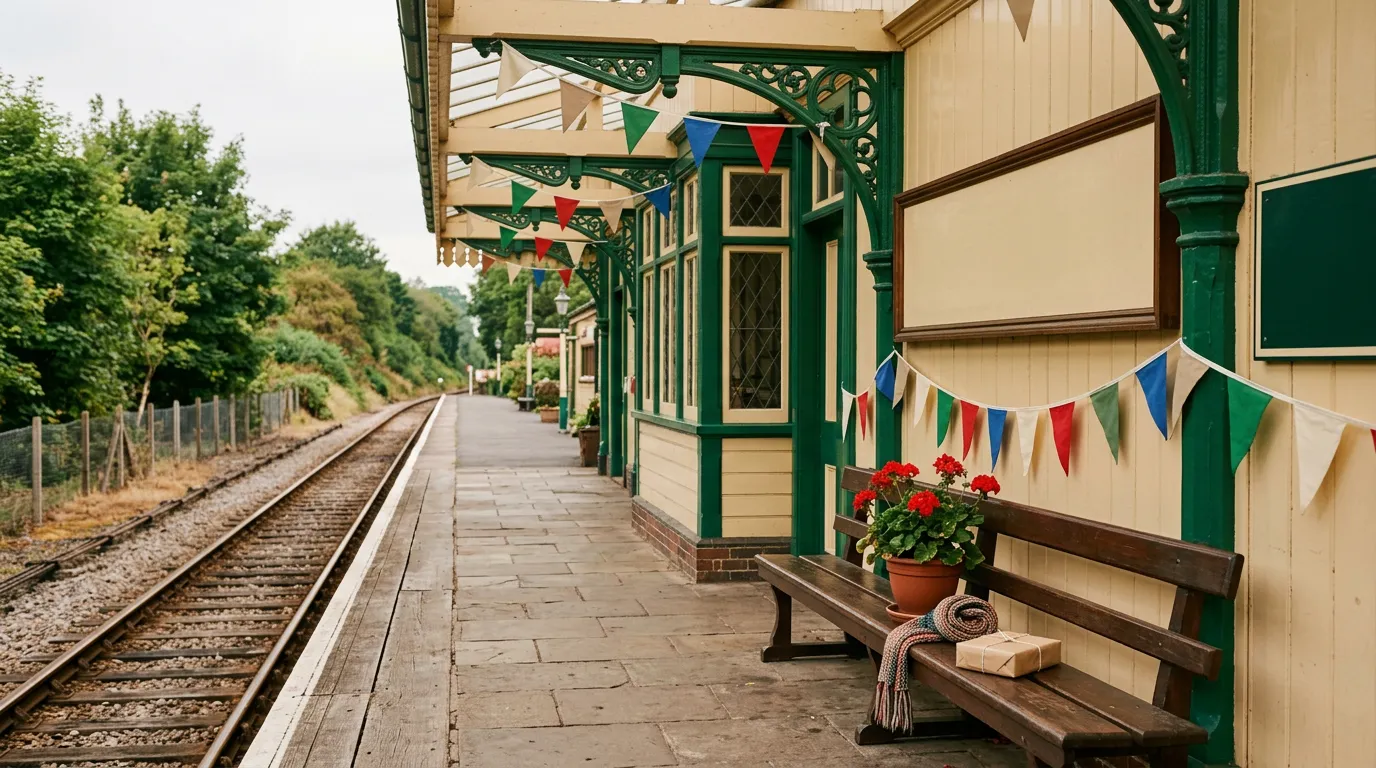
Lead with the strongest memory
Pick the photo that means the most: a favourite locomotive, a station they visited, a railtour, or a preserved railway day out. If you shared the trip, even better — a card that shows the exact day you were both there is hard to beat.
Keep the message simple
Let the train photo carry the personality and keep the words short. A name, an age, and a line about the day is usually plenty. Card packs come in tens, so you can keep spares for the next birthday or send a matching set to a club.
Pair it with a bigger gift
If the card is part of a larger present, match it to a mug or framed print using the same photo. A card and mug together makes a tidy, affordable railway birthday set; a card and framed print suits a milestone.
Card options and pairings
- A6 card 10-pack — £14.95 · Birthdays, spares, club sets
- Square card 10-pack — £16.95 · A bolder photo crop
- Card + mug — from £33.90 · Affordable birthday set
- Card + framed print — from £49.90 · Milestone birthday
From the platform
Questions, answered
Can I make a birthday card from my own train photo?+
Yes. Upload a railway photo you took, add a short message, and we print it as a folded card. Packs come in tens so you have spares.
How much are personalised train birthday cards?+
A 10-pack of A6 photo cards is £14.95, and square cards are £16.95. Pairing a card with a mug or framed print makes an easy gift set.
Are the cards blank inside?+
The cards are folded and ready to write your own message inside, with your chosen train photo on the front.