
How to use it
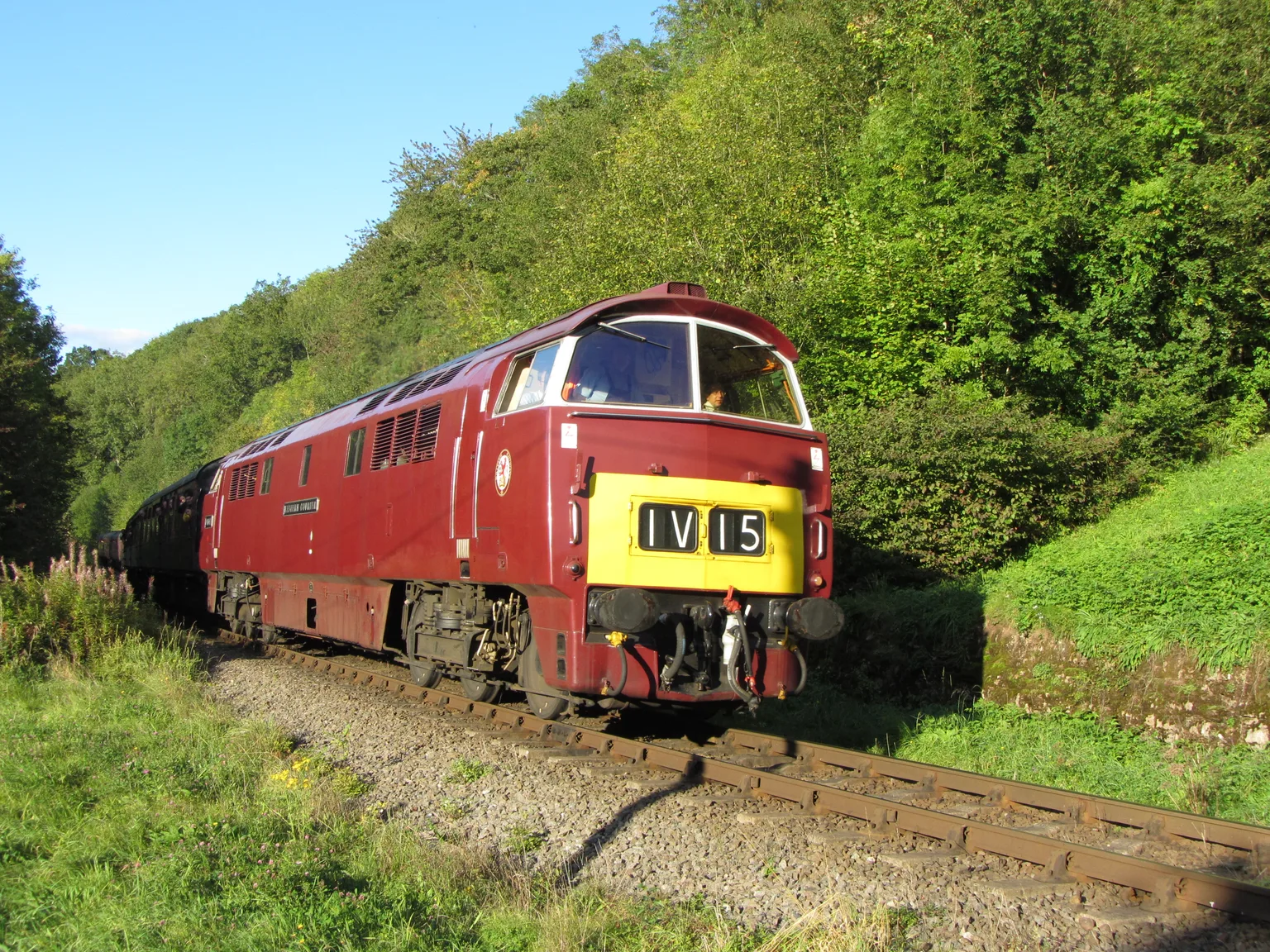
Type the four characters you saw on a departure screen, a train describer or the front of a train. Capitals or not, spaces or not, it reads them. The answer splits the headcode into its three parts and gives the class meanings we found in the timetables.
What the four characters are
A headcode is four characters: a number for the class of train, a letter for where it is going, and a two-digit number, 00 to 99, for the train itself. Rail for London's planning rules for the Elizabeth line set it out that way, with 9W05 as the example (CCOS Timetable Planning Rules 2026, section 1.4.1).
Network Rail's working timetable says the same at the front of each book, under "Four character train identification system" (working timetable). Each book lists the classes and letters used in its own area.

The first number
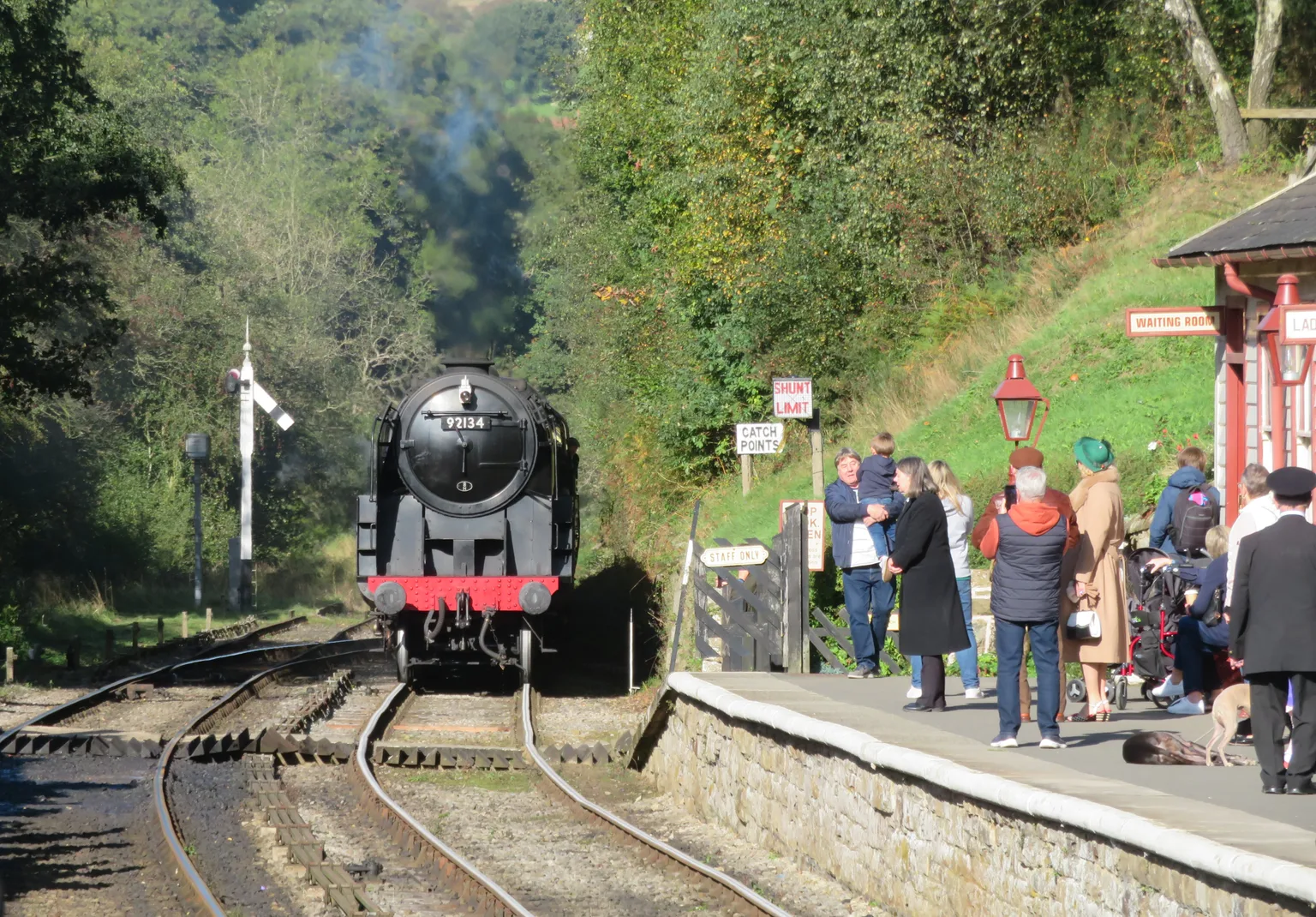
In book LD, the freight book for lines from Tottenham to Ely, Norwich and Lowestoft, the first number sorts freight by speed: 4 for trains permitted over 60 mph, 6 for 50, 55 or 60 mph, 7 for 40 or 45 mph, and 8 for trains timed not to exceed 35 mph. The passenger books use 1 for express passenger or mail trains, 2 for ordinary passenger trains and 5 for empty coaching stock. 0 is a light locomotive in all four of the books we checked.
We found no class 3 in the Network Rail books in the June to December 2026 download. So for class 3 we give the Elizabeth line's meaning, and say that is what it is.
The letter changes from place to place
The same letter means different places in different books. In book LA, E is "To East Coast Main Line area". In book LC, E covers empty trains to East Ham depot and trains to the Eastern area, and V is "Great Western area". So we tell you what the letter is for, not where it goes.
Book LC adds a rule for its own lines: trains from London have even numbers and trains to London have odd ones.
Sources: Network Rail working timetable, June to December 2026 download, books LA, LB, LC and LD (front pages; the books' own covers carry 2024 dates, and book LB 2017); Rail for London (Infrastructure) CCOS Timetable Planning Rules 2026, section 1.4.1 and table 1-2. Read 30 October 2026.