
How to use it
Type a class number, with or without the word "class". A running number works too, old or new, like D8000 or 20050, and so does a name like Western or Deltic. Pick a power type to narrow the list, or clear the box to see every class in the table.
What the class number is
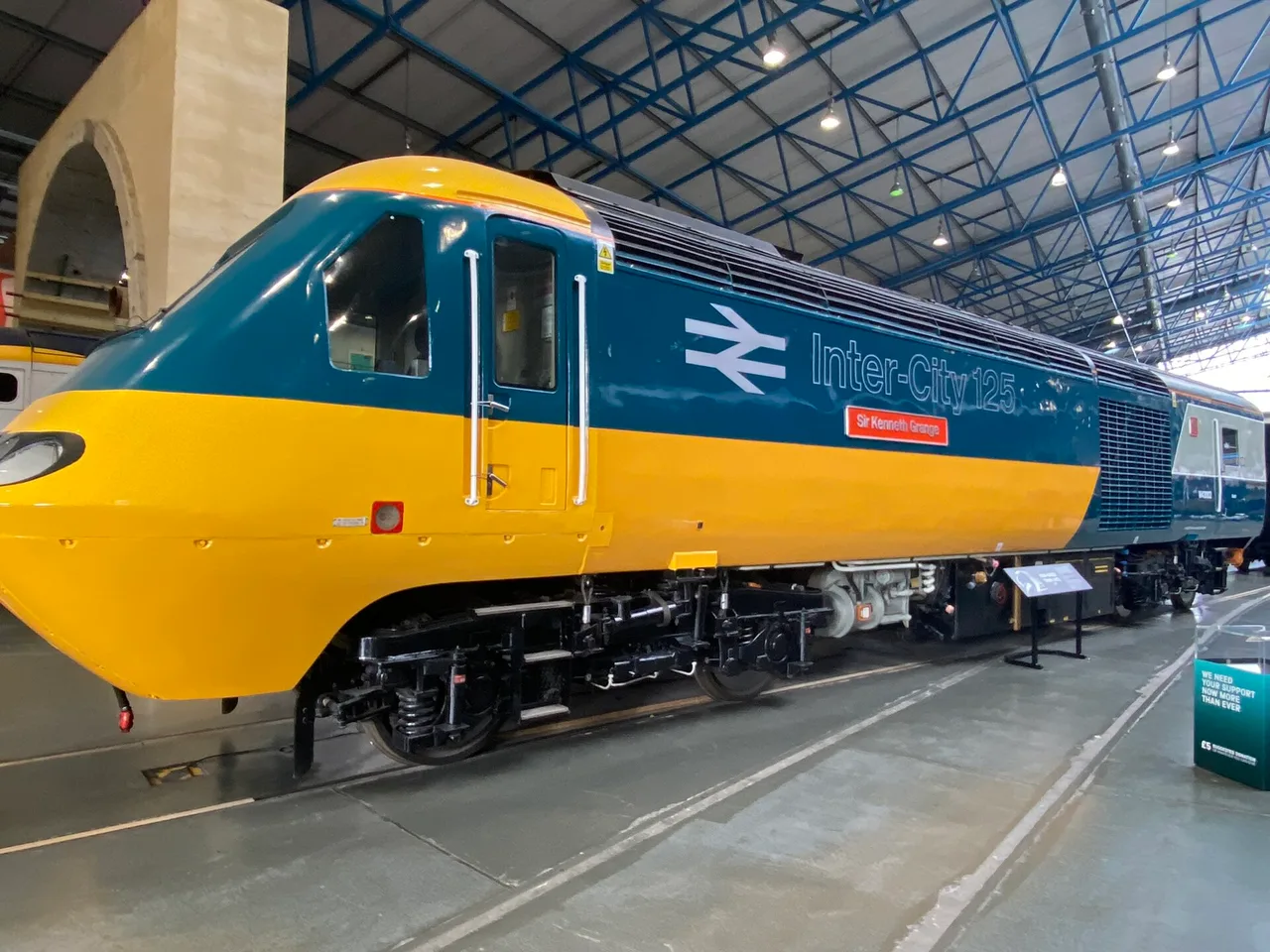
TOPS is the system behind British Rail's class numbers. The Science Museum Group's record for E5001 says that under TOPS its class became Class 71 and was renumbered (E5001 record). D8000's record says the design became Class 20 in 1968, and D8000 later ran as 20050 (D8000 record).
Some classes had another name first. The museum says Class 31 started out as the Brush Type 2, and as Class 30 (D5500 record).

What is in the table, and what is not
This is our own table, not a copy of anyone's list. It has one row for each British Railways class with an example in the Science Museum Group collection, which includes the National Railway Museum. We read the diesel and electric locomotive lists in that collection (the electric list, for one) and took the facts from each engine's record.
That makes it 17 classes, from the Class 02 shunter to the Class 87 electric. Many classes have no example in the collection, so they are not here. Steam engines are not in it, and nor are multiple units.
The year is when the museum's own example was built, not the whole class. Where the record does not give a builder or a wheel arrangement, the tool says so.
Source: Science Museum Group Collection Online, one object record per class, linked from each result; title, made, maker and details fields CC0, descriptions CC BY 4.0, our wording. Read 30 October 2026.